
Site Information
WCS Russia final report 2025
https://conservewildcats.org/wp-content/uploads/sites/5/2026/05/WCSRussiaLeopardsfinalreport2025.pdfZSL Thailand Final Report 2025
https://conservewildcats.org/wp-content/uploads/sites/5/2026/05/ZSLThailandFinalreport-2025.pdfZSL Nepal final report 2025
https://conservewildcats.org/wp-content/uploads/sites/5/2026/05/ZSLNepalFinalReport2025.pdfLingkar final report 2025
https://conservewildcats.org/wp-content/uploads/sites/5/2026/05/LingkarInisiatifFinalReport2025.pdf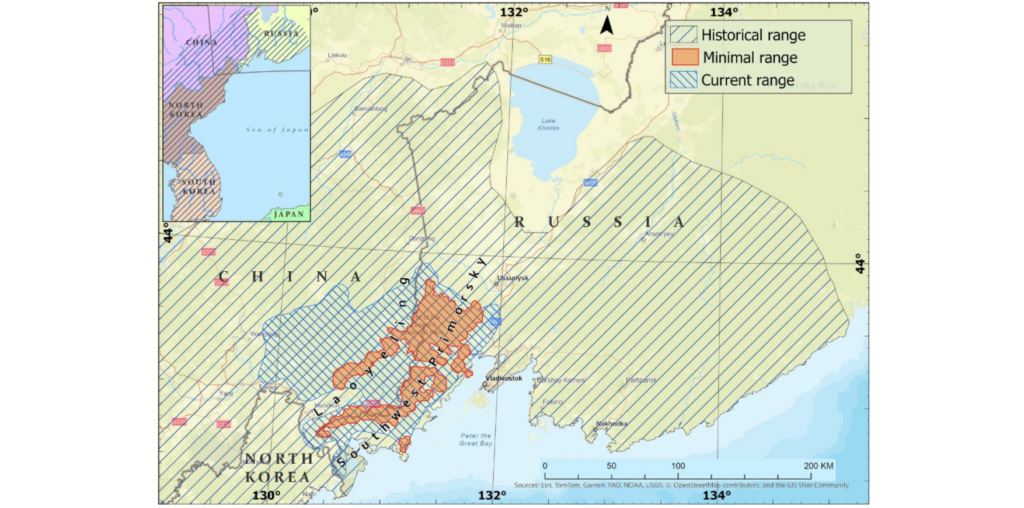
Abstract: The last Far Eastern leopards survived at the junction of the Southwest of Primorsky Krai in Russia and the Laoyeling-Dalongling in Jilin and Heilongjiang provinces in China. By the...
Read More
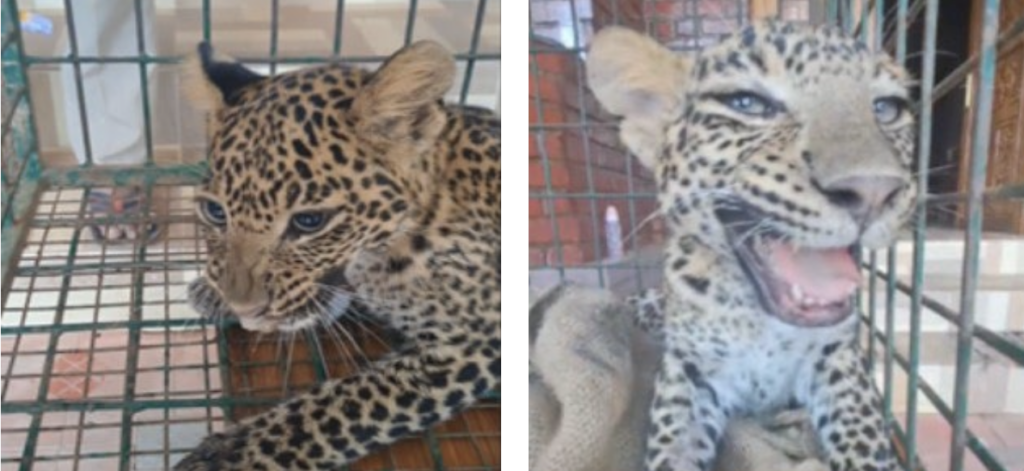
Abstract: A four-month female leopard cub (Panthera pardus), rescued from a residential area in Kaliyal, Kanyakumari, Tamil Nadu, India with exhibited sign of dullness, convulsions, seizures, and profuse salivation was...
Read More
F&F final report 2025
https://conservewildcats.org/wp-content/uploads/sites/5/2026/03/FFY2_FinalReport_Kerinci-Tigers2025_PUBLIC.pdf
Abstract: Severe acute respiratory syndrome coronavirus-2 (SARS-CoV-2) caused a global public health emergency in humans from 2020 to 2023 and was associated with over 7 million human deaths. Besides humans,...
Read More
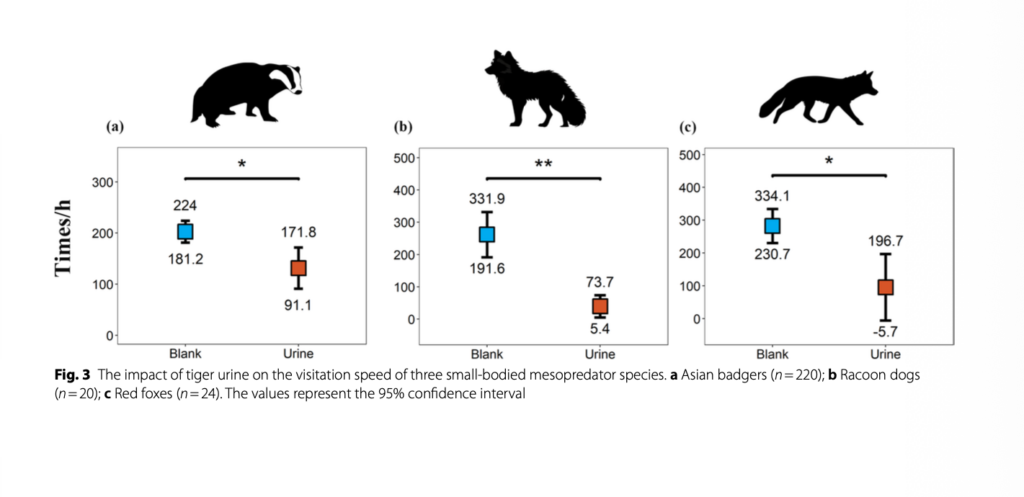
Abstract: Background Apex predators exert dual effects on mesopredators, including both suppression through lethal encounters and fear, as well as facilitation through providing food via prey remains. While large-scale studies...
Read More
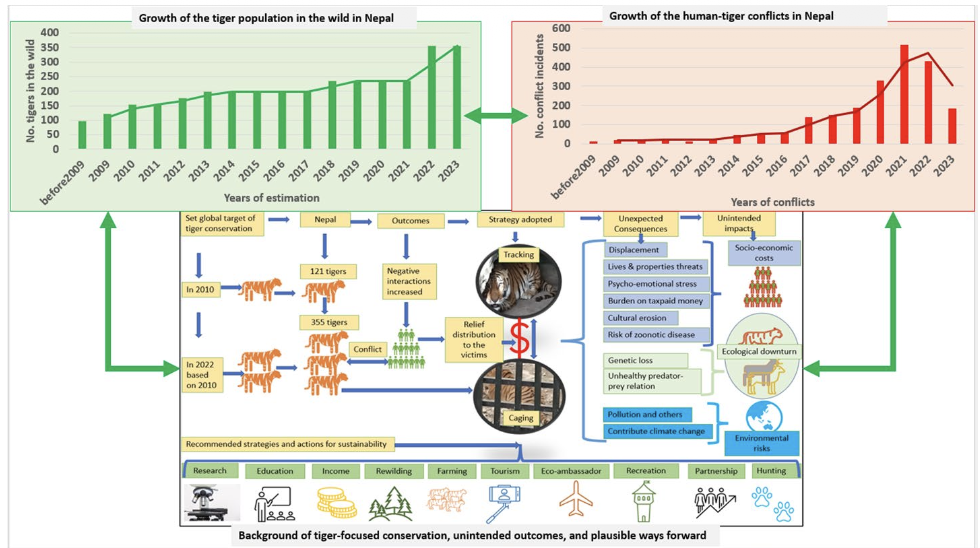
Abstract: Tiger conservation is a global priority, and Nepal’s program has achieved notable success. However, rapid population growth has intensified human–wildlife conflicts. This study assessed the socio-economic costs of rising...
Read More

Abstract: Protected areas are a hallmark of conservation, yet their ability to support endangered species can be compromised by human use in adjacent lands. In the Russian Far East, a...
Read More

Abstract: Accurate, non-invasive individual identification is critical for endangered Amur tiger (Panthera tigris altaica) conservation. However, it remains challenging due to pose variability in stripe patterns and inconsistent imaging conditions....
Read More
Abstract: Habitat loss and degradation are the leading threats to the continuation of the isolated Asian tiger (Panthera tigris) population. In 2010, the Global Tiger Recovery Program (GTRP) committed to...
Read More
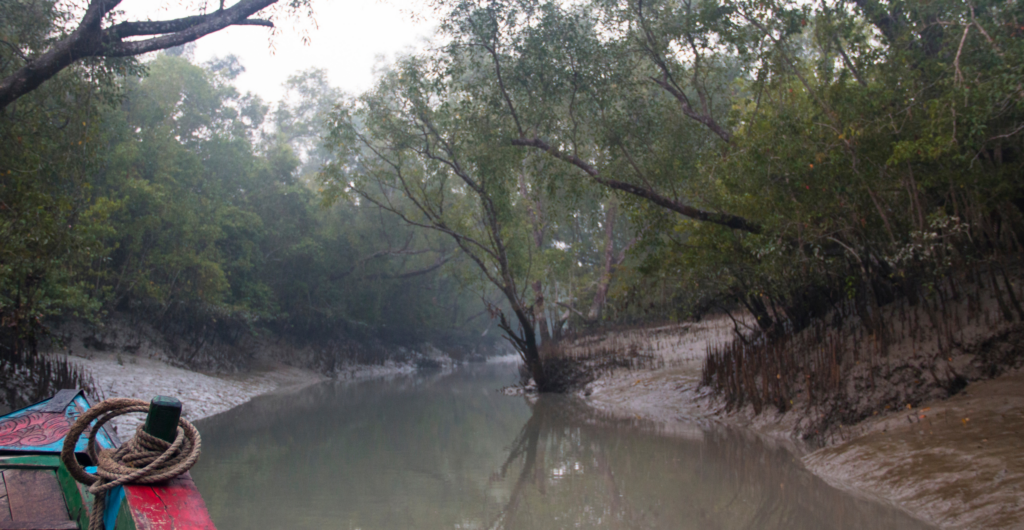
Spanning the border between India and Bangladesh, the Sundarbans is the world’s largest mangrove forest and home to a unique population of Bengal tigers. This vast delta of rivers, islands...
Read More
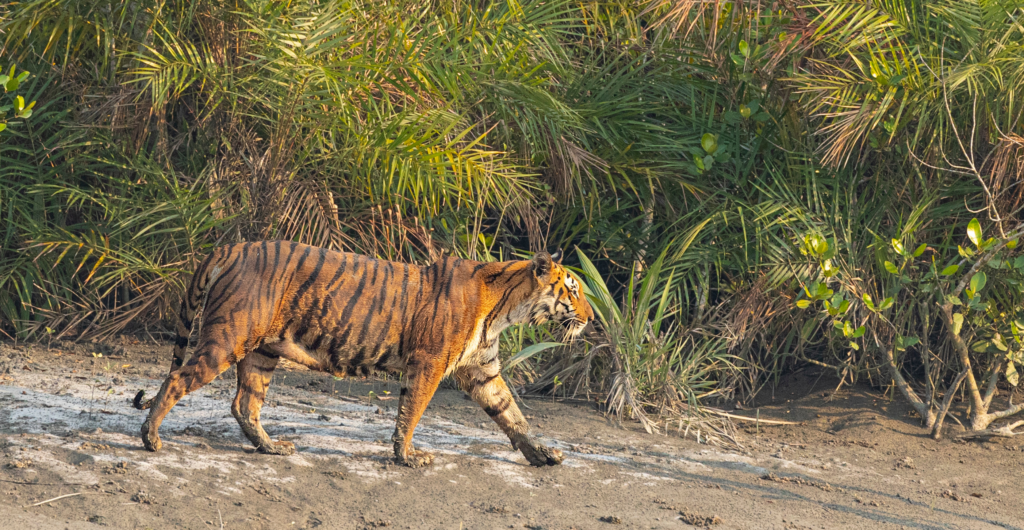
When we talk about climate change, we often think first about people. Flooded homes, failed crops, and forced migration play centre stage. But climate change is also reshaping the lives...
Read More
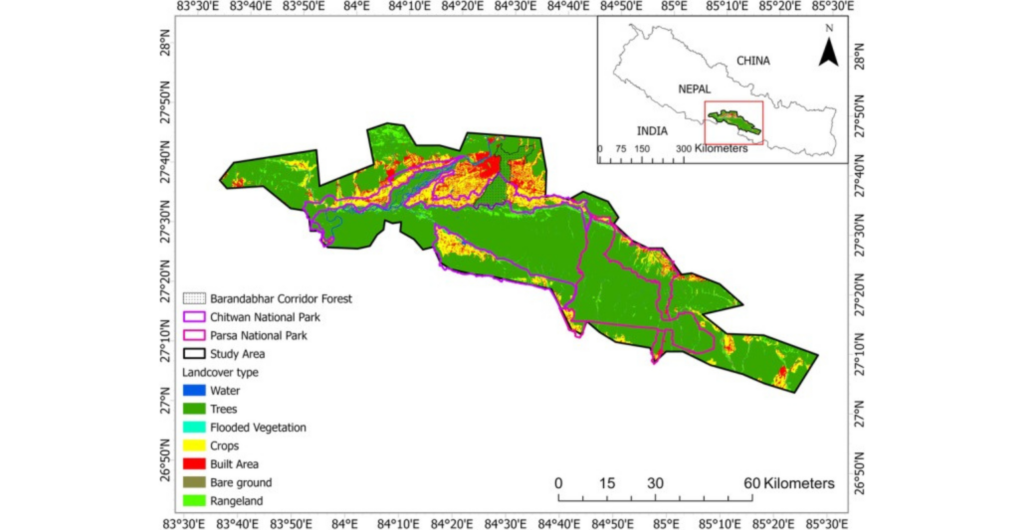
Abstract: The rebound of tiger populations in Nepal over the last decade has renewed hope for species conservation but also heightened the risk of conflict where humans and tigers coexist....
Read More

Abstract: Human-wildlife conflict (HWC) poses significant challenges to biodiversity conservation, protected area management, and rural livelihoods in regions such as Nepal's Tarai Arc Landscape (TAL), a critical habitat for endangered...
Read More
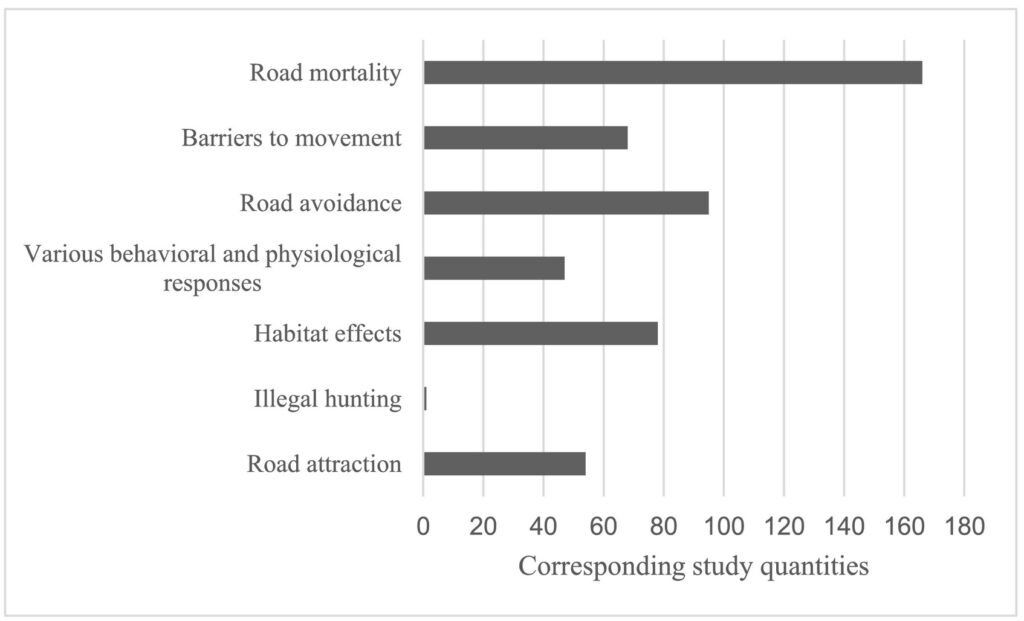
Abstract: Asia, the world’s largest continent, boasts extensive road networks and rich biodiversity. However, the significant threats that roads pose to Asian ecosystems remain largely unaddressed. This study aims to...
Read More
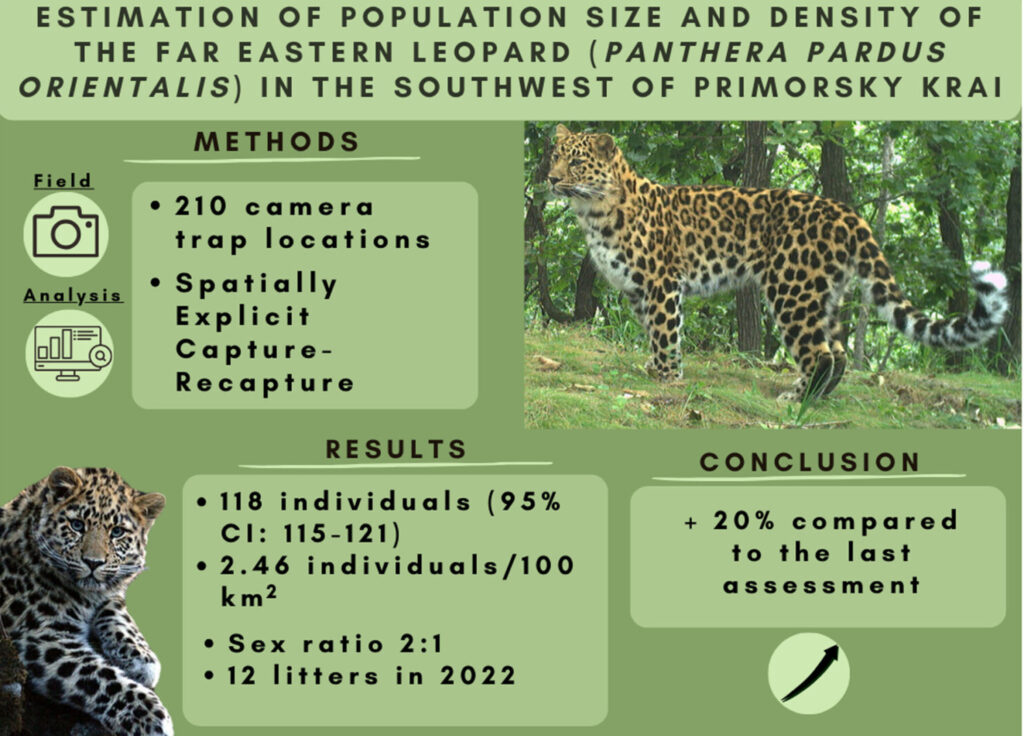
Abstract: Monitoring of the critically endangered Far Eastern leopard is crucial for understanding population status and trends to assess the effectiveness of conservation interventions. This study provides an up-to-date assessment...
Read More