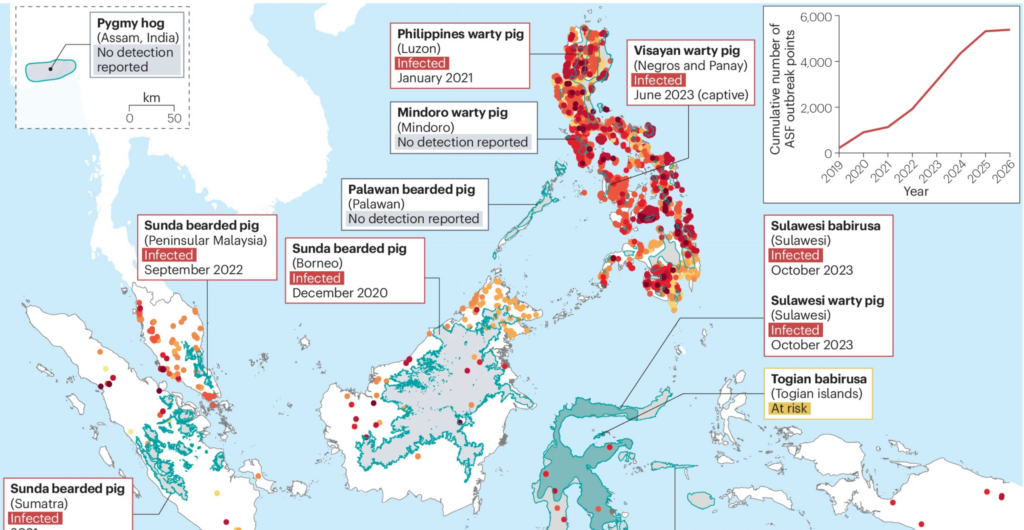
Abstract: Severe acute respiratory syndrome coronavirus-2 (SARS-CoV-2) caused a global public health emergency in humans from 2020 to 2023 and was associated with over 7 million human deaths. Besides humans,...
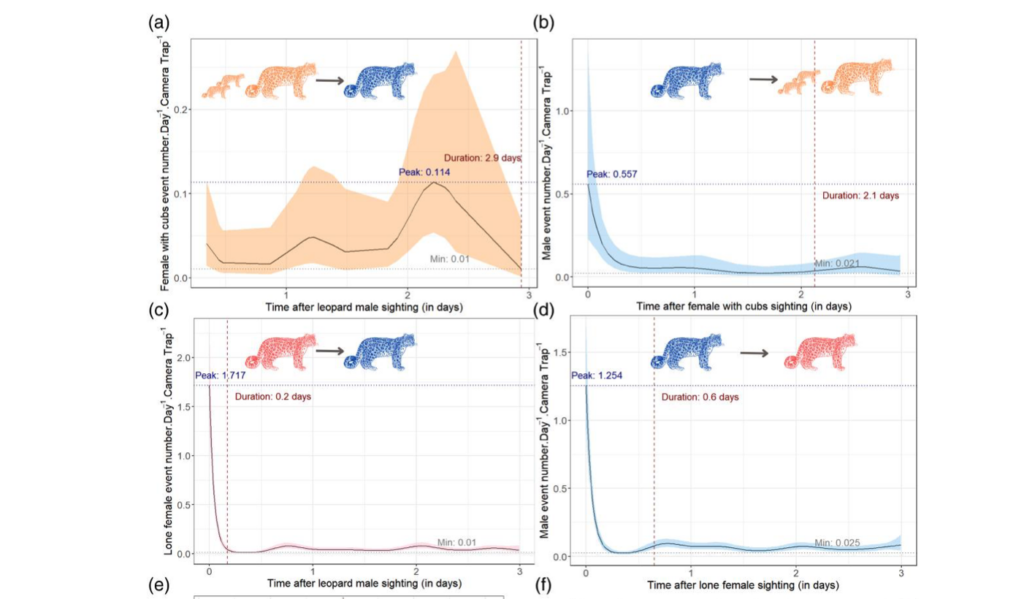
Abstract: Background Apex predators exert dual effects on mesopredators, including both suppression through lethal encounters and fear, as well as facilitation through providing food via prey remains. While large-scale studies...
Abstract: Tiger conservation is a global priority, and Nepal’s program has achieved notable success. However, rapid population growth has intensified human–wildlife conflicts. This study assessed the socio-economic costs of rising...
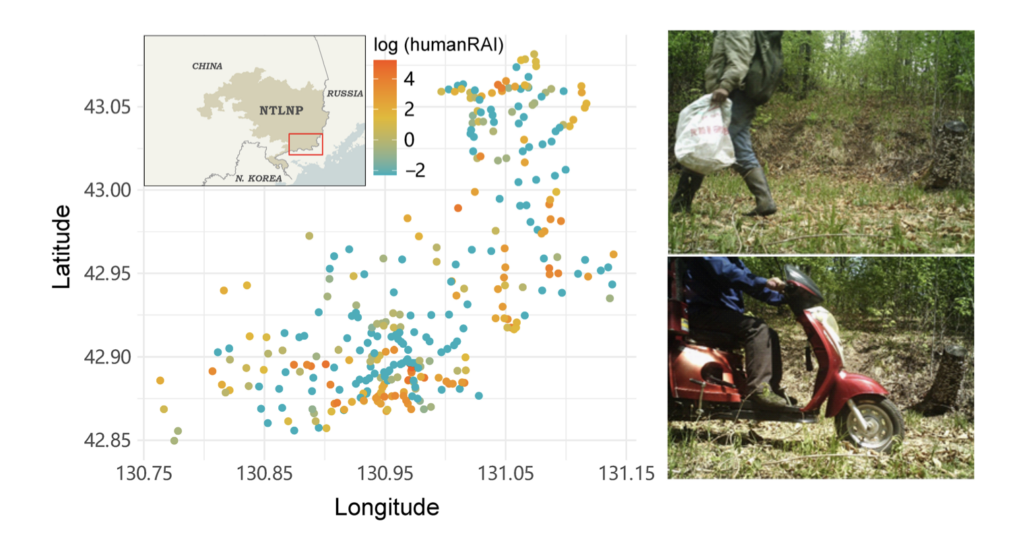
Abstract: Protected areas are a hallmark of conservation, yet their ability to support endangered species can be compromised by human use in adjacent lands. In the Russian Far East, a...
Abstract: Accurate, non-invasive individual identification is critical for endangered Amur tiger (Panthera tigris altaica) conservation. However, it remains challenging due to pose variability in stripe patterns and inconsistent imaging conditions....
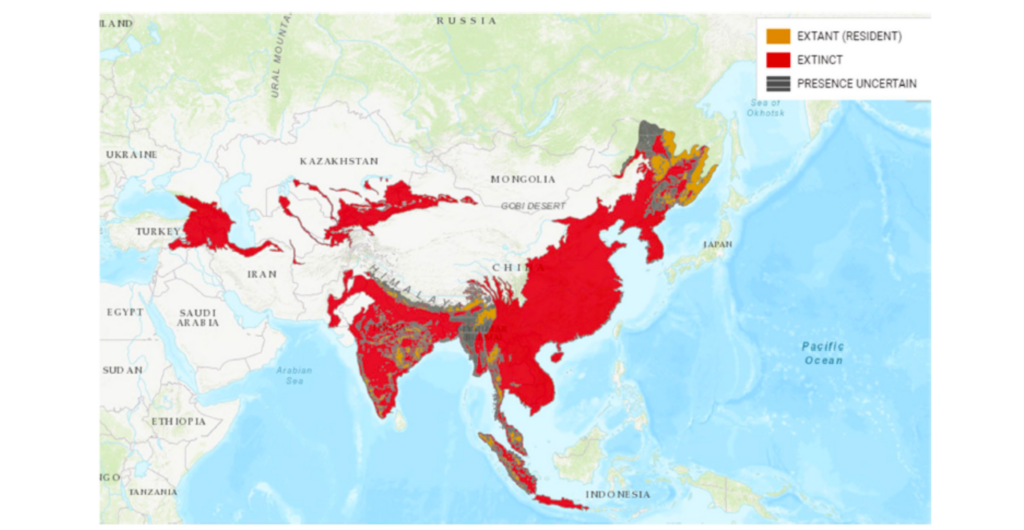
Abstract: Habitat loss and degradation are the leading threats to the continuation of the isolated Asian tiger (Panthera tigris) population. In 2010, the Global Tiger Recovery Program (GTRP) committed to...
Abstract: The rebound of tiger populations in Nepal over the last decade has renewed hope for species conservation but also heightened the risk of conflict where humans and tigers coexist....
Abstract: Human-wildlife conflict (HWC) poses significant challenges to biodiversity conservation, protected area management, and rural livelihoods in regions such as Nepal's Tarai Arc Landscape (TAL), a critical habitat for endangered...
Abstract: Asia, the world’s largest continent, boasts extensive road networks and rich biodiversity. However, the significant threats that roads pose to Asian ecosystems remain largely unaddressed. This study aims to...
Abstract: Monitoring of the critically endangered Far Eastern leopard is crucial for understanding population status and trends to assess the effectiveness of conservation interventions. This study provides an up-to-date assessment...
Abstract: Despite pressing conservation and humanitarian concerns regarding the sustainability of natural resource exploitation in the Democratic People’s Republic of Korea (North Korea), reliable information is extremely limited as North...
Abstract: Introduction: The construction of a species’ family pedigree is crucial for understanding population structure, assessing genetic diversity, and conserving the genetic resources of endangered species. However, developing non-invasive and...