Implementing Partner:

Wildlife Conservation Society (WCS)

Project Name:

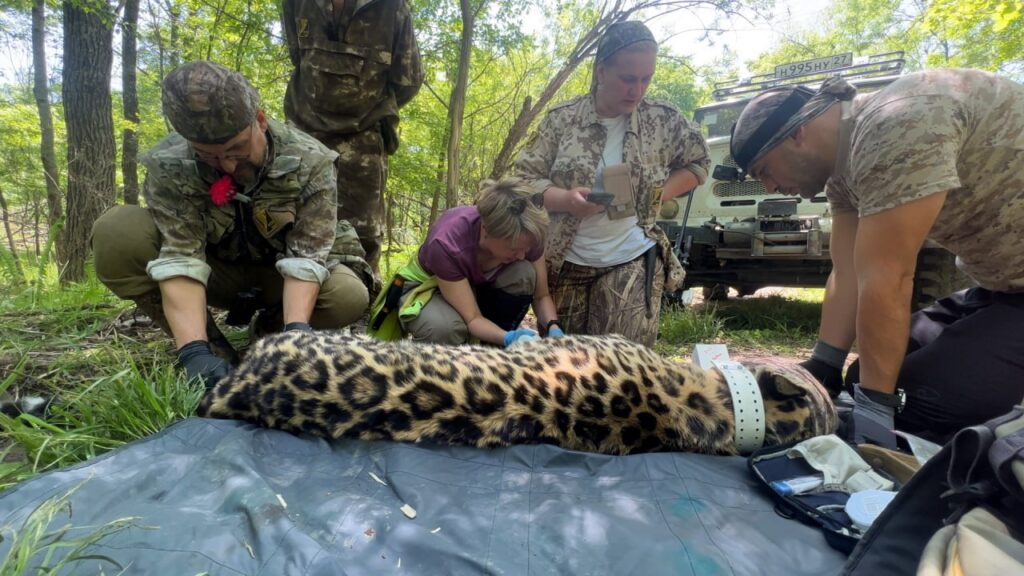
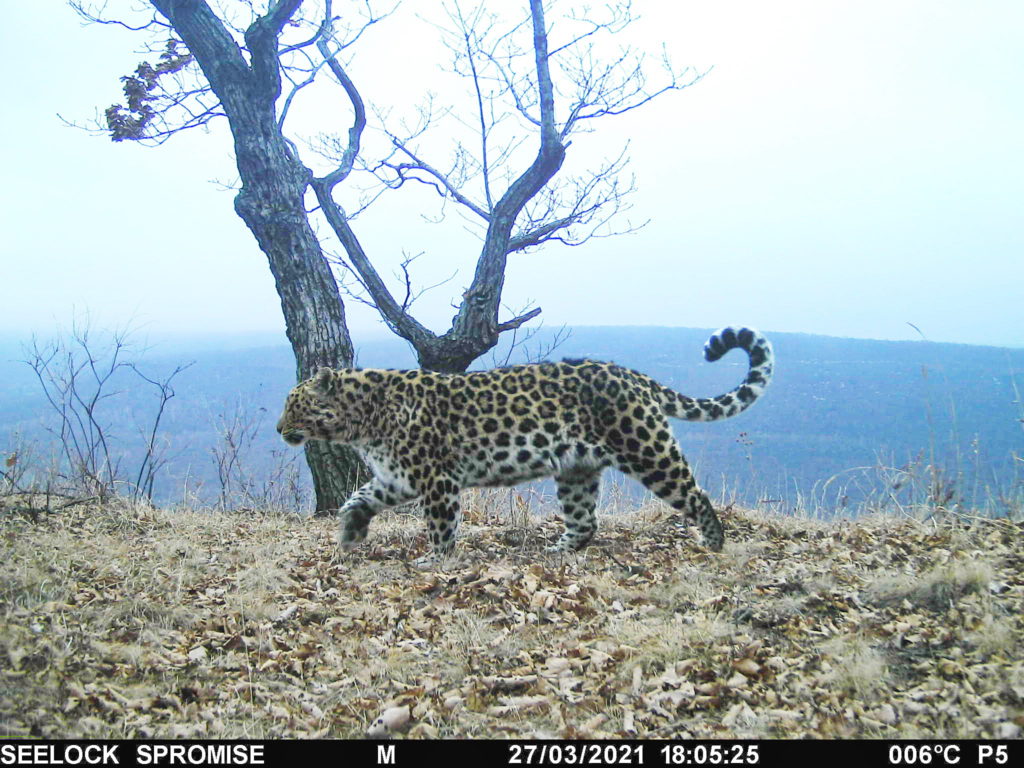
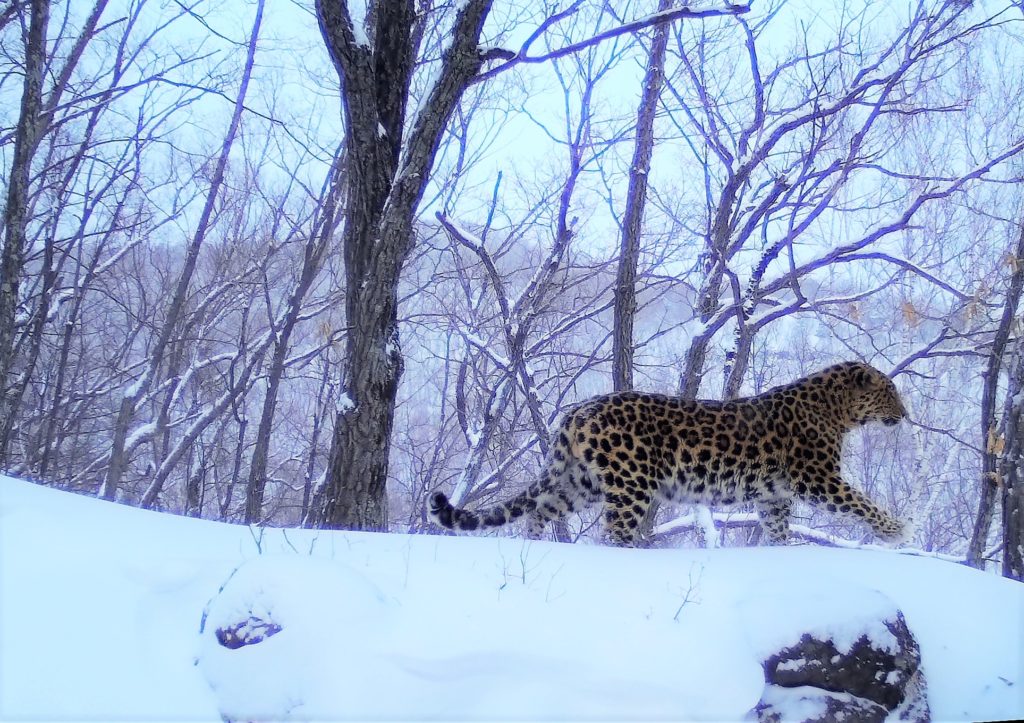
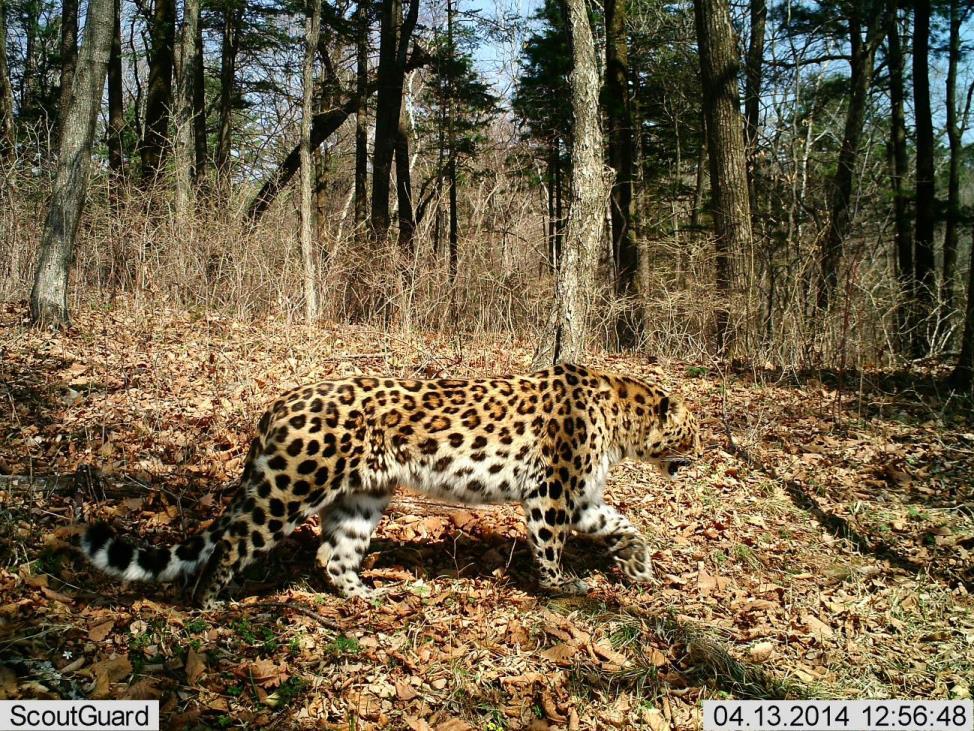
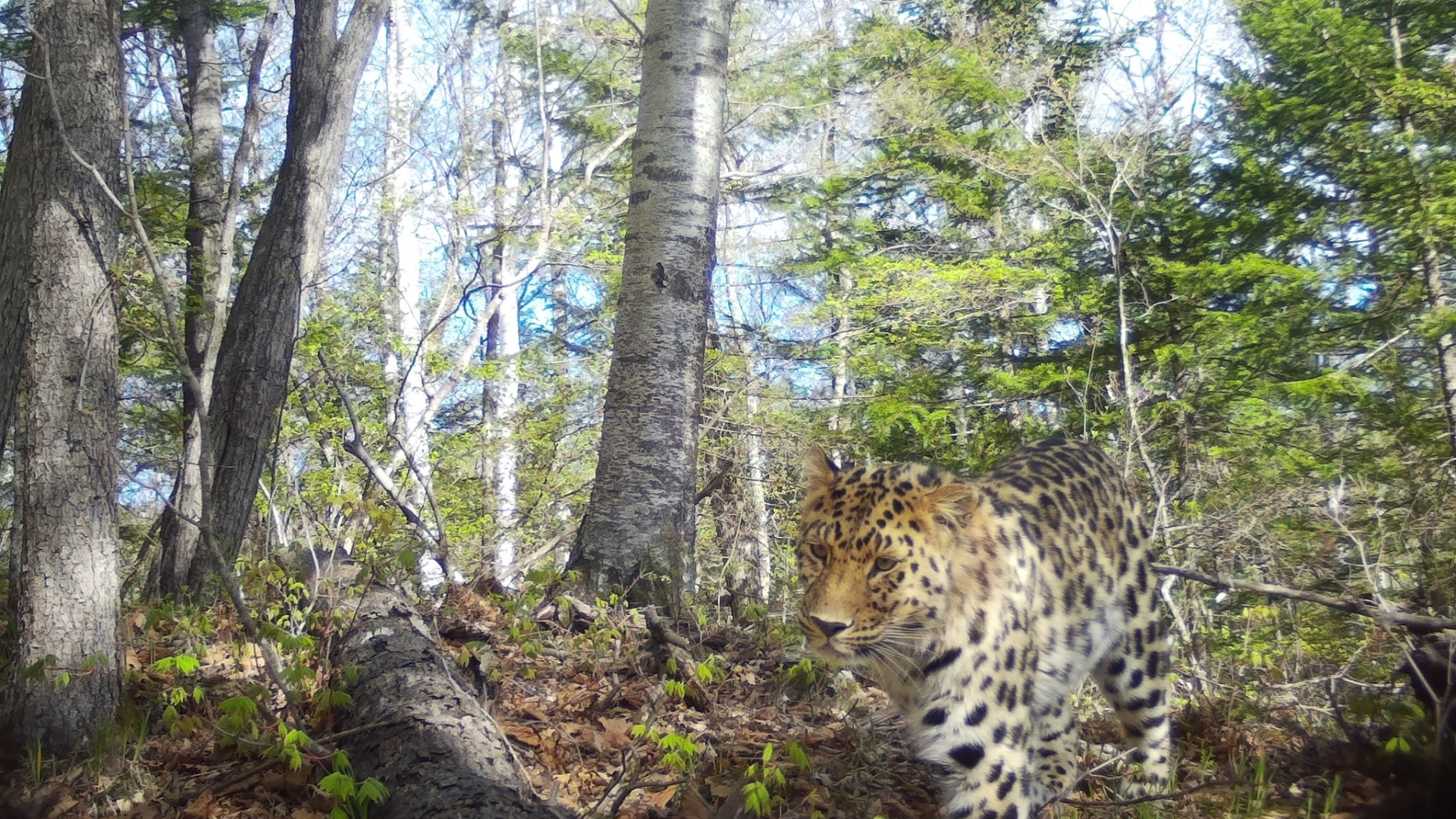
Protecting and connecting Amur leopards.

Goal:

The project aims to recover and maintain stable, genetically diverse populations of Amur leopards within their historical range.

  • Objective 1: Establish an IUCN Category IV protected area in the Razdolnaya corridor.
    • Analysis and summary of 2 years of data demonstrating the distribution and abundance of Amur leopards, tigers, and their prey, and their use of highway crossing infrastructure in the key corridor in the Razdolnaya River valley;
    • Support the application development and submission by the Ussuriysk Society of Hunters and Anglers and ANO WCS based on the analysis above.
Background:

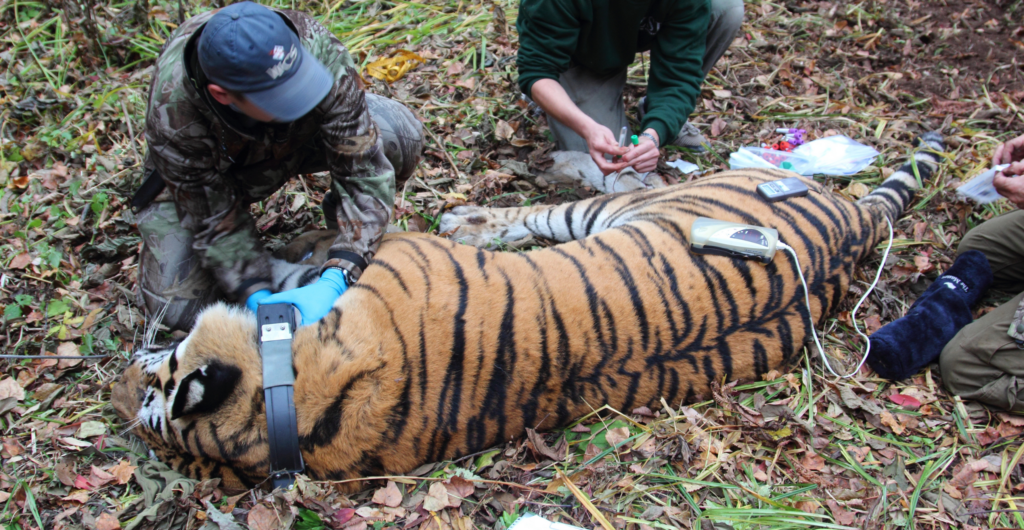
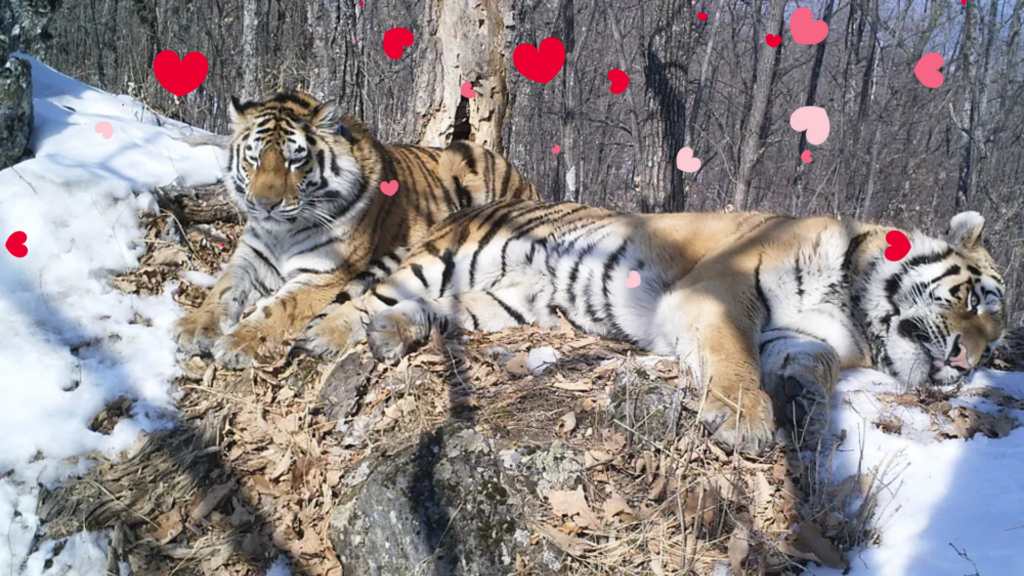
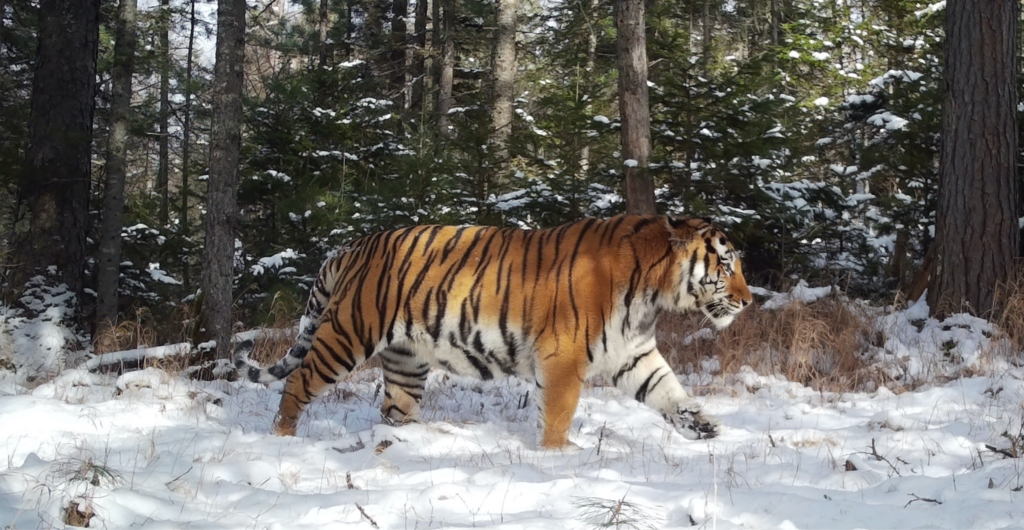
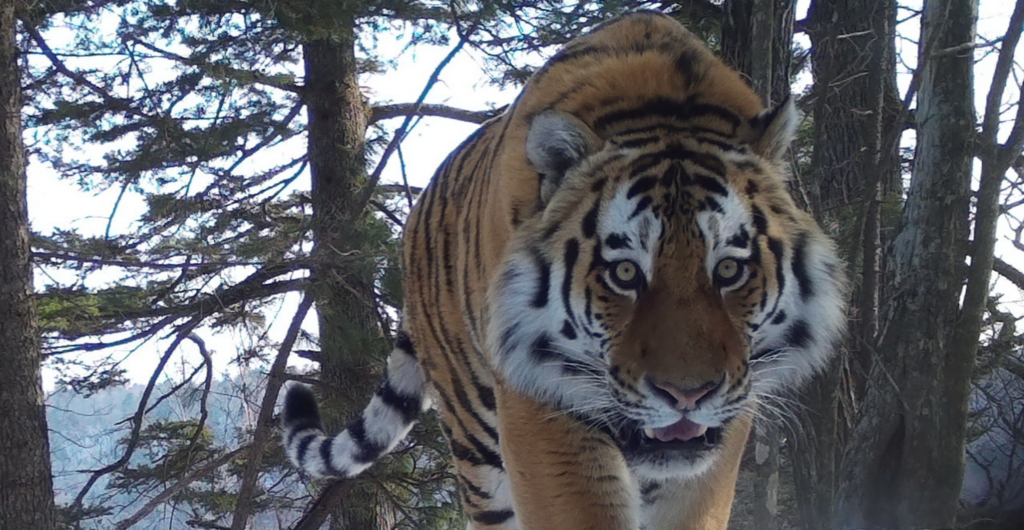
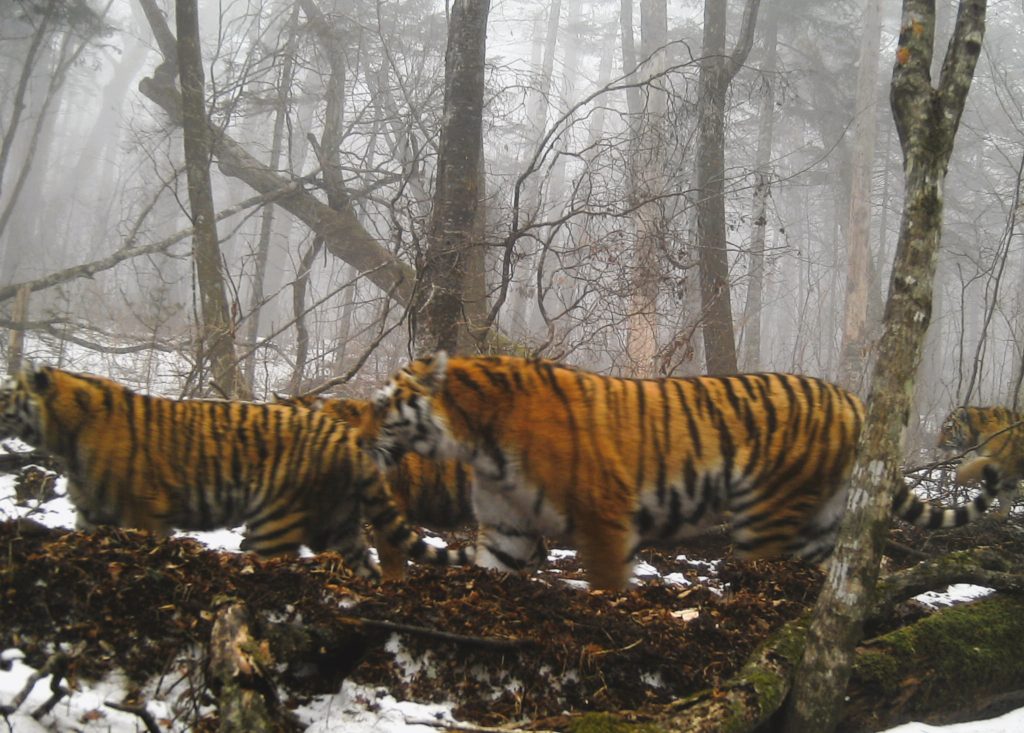
For over three decades, the Wildlife Conservation Society (WCS) has worked to recover Amur tigers and leopards in key habitats across their range.

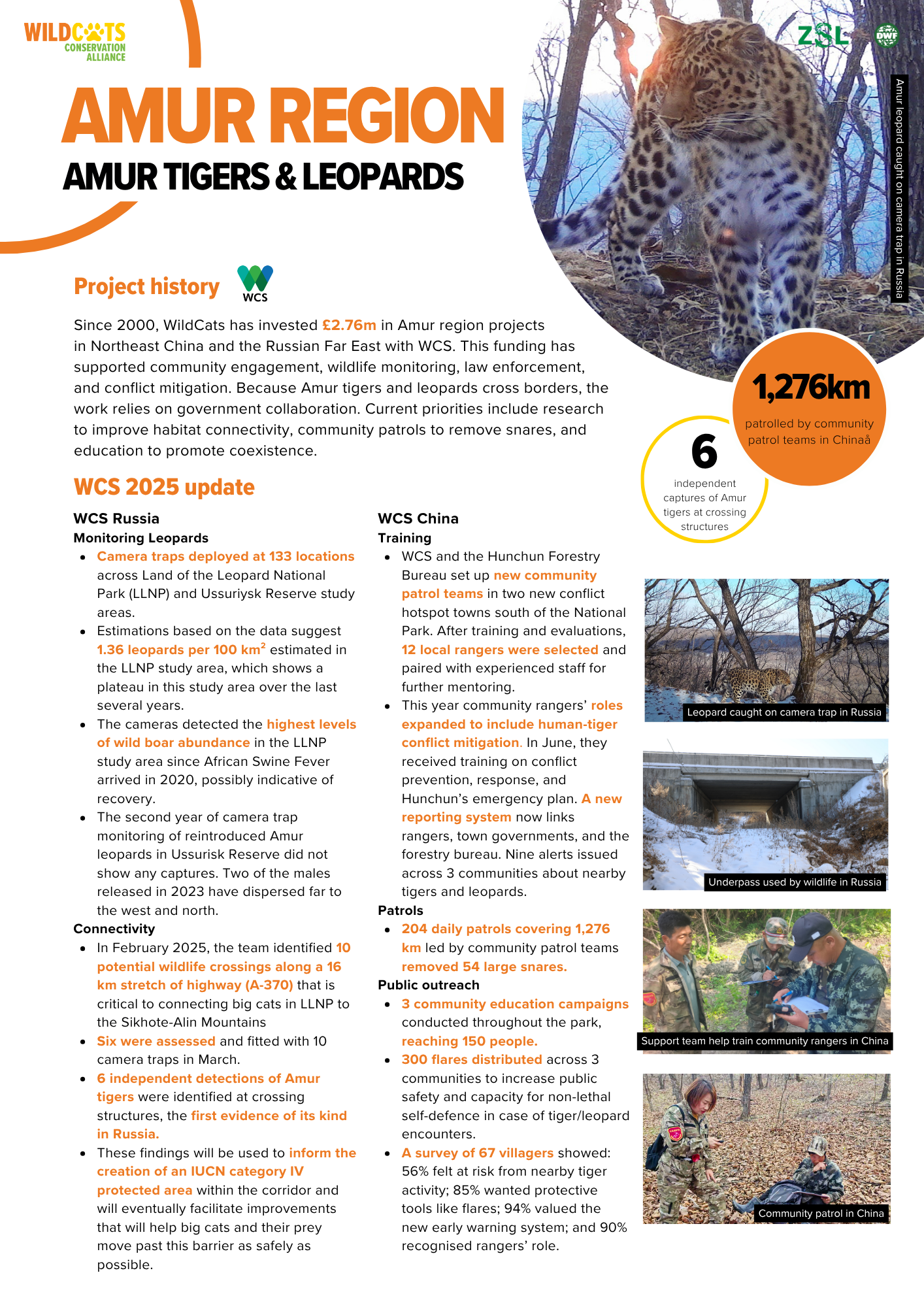
A crucial part of this work involves reconnecting fragmented populations. A major transportation corridor currently restricts movement of Amur leopards between habitats, leading to genetic isolation. While some wildlife crossings exist, they remain ineffective under certain conditions. Without improved connectivity, these big cats face continued risks of inbreeding and population decline. By identifying viable solutions and advocating for ecological corridors, this project aims to secure a future where Amur leopards and tigers thrive in interconnected landscapes. n 2024 ANO WCS began monitoring this tract of land and existing crossing structures (i.e., bridges and culverts) along the highway to understand current levels of wildlife use.

Analysis of this data, in addition to a series of snow tracking surveys in 2026 will feed into the application for the IUCN Category IV protected area to increase the protection in this critical corridor connection Land of the Leopard National Park to suitable Amur leopard habitat in the Sikhote-Alin mountains to the east.

By addressing these long-term challenges, this initiative supports the recovery and persistence of Amur leopards in the wild. WildCats Conservation Alliance, in collaboration with WCS, is committed to ensuring this iconic species continue to roam their natural habitats for generations to come.

You can see the previous WCS projects funded by WildCats in our Archive

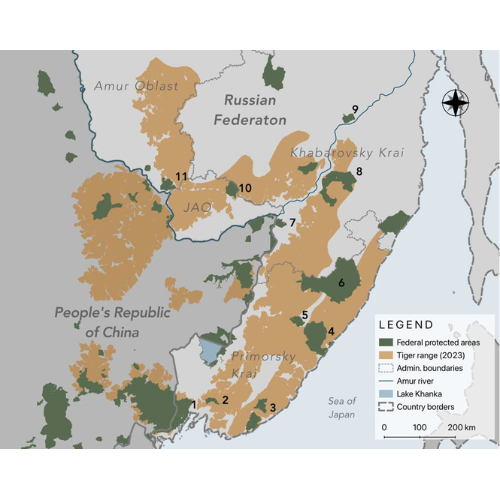
WCS Russia Map

Latest Reports

Latest blogs

Share