Abstract: Livestock predation in protected areas is a key factor in human-carnivore conflict. Several countries provide financial assistance to livestock owners to reduce the economic impact and encourage coexistence. However,...
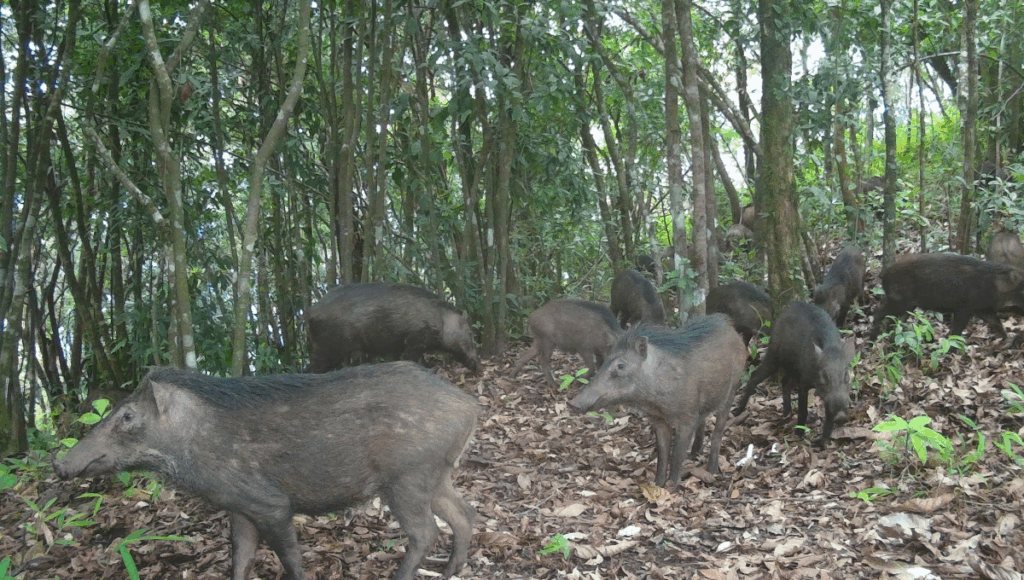
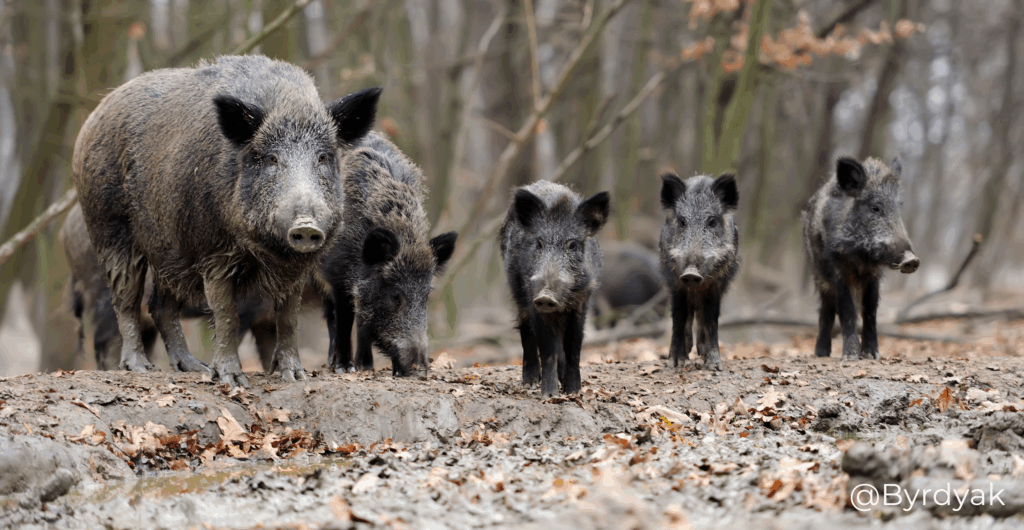
Abstract: The wild boar (Sus scrofa) population in the southern Russian Far East declined by 90-95% because of an African swine fever (ASF) epizootic that began in 2019. The loss...
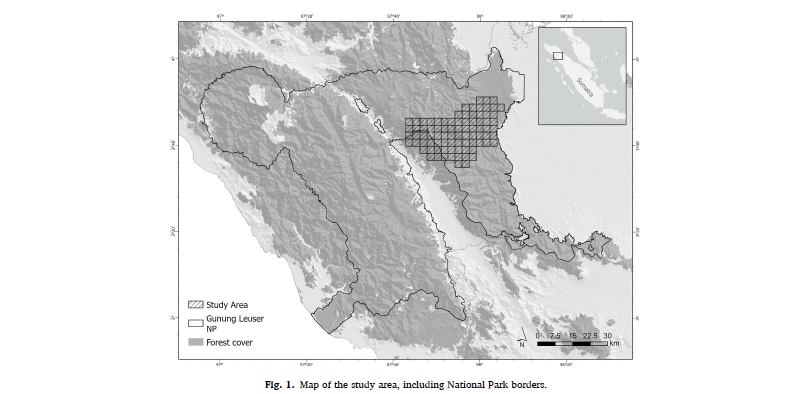
Abstract: Tigers have become part of the lives of Sumatran people. As part of the living system, tigers also have an impact on society. These impacts include the relationship between...
Abstract: Context China initiated its national parks in 2016 for safeguarding biodiversity and ecosystem integrity. The newly established Northeast Tiger and Leopard National Park (NTLNP) is essential for saving endangered...
Abstract: Microplastics (MPs) are emerging environmental pollutants that pose a significant threat to wildlife within forest ecosystems. However, the quantity and types of MPs in wildlife forest habitats remain unclear....
Abstract: Indochinese tigers (Panthera tigris corbetti), formerly distributed across mainland Southeast Asia, have experienced significant range contraction, with populations in Thailand serving as the last remaining strongholds. One such landscape...
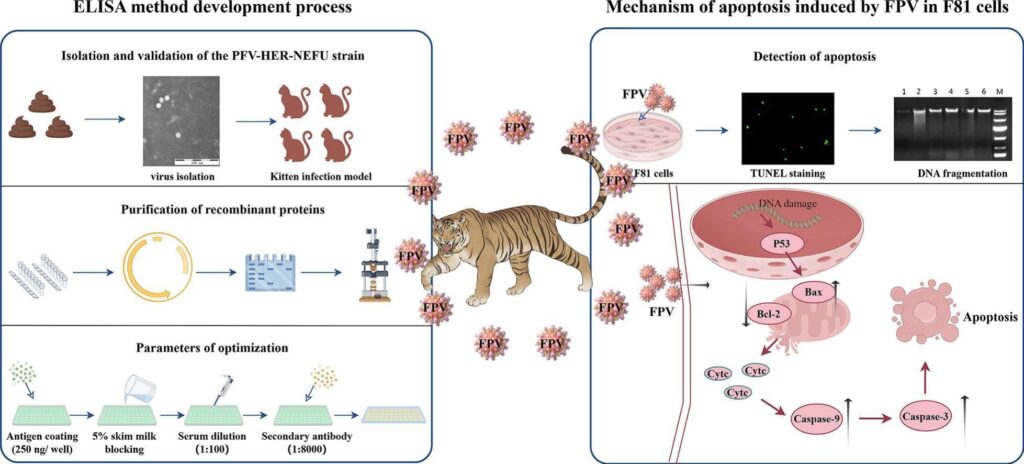
Abstract: Background and Aim: The increasing human-wildlife interface due to urbanization and agricultural expansion has escalated the risk of zoonotic and interspecies disease transmission. Canine distemper virus (CDV), a highly...
Abstract: Protected areas face immense pressure for their resources and the space that they occupy. To protect them and their wildlife, management approaches such as ranger patrols and measures to...
Abstract: This study is aimed at assessing the status of the Amur tiger subpopulation, Panthera altaica, in Khabarovsky Krai under sharply deteriorated trophic conditions caused by the African swine fever...
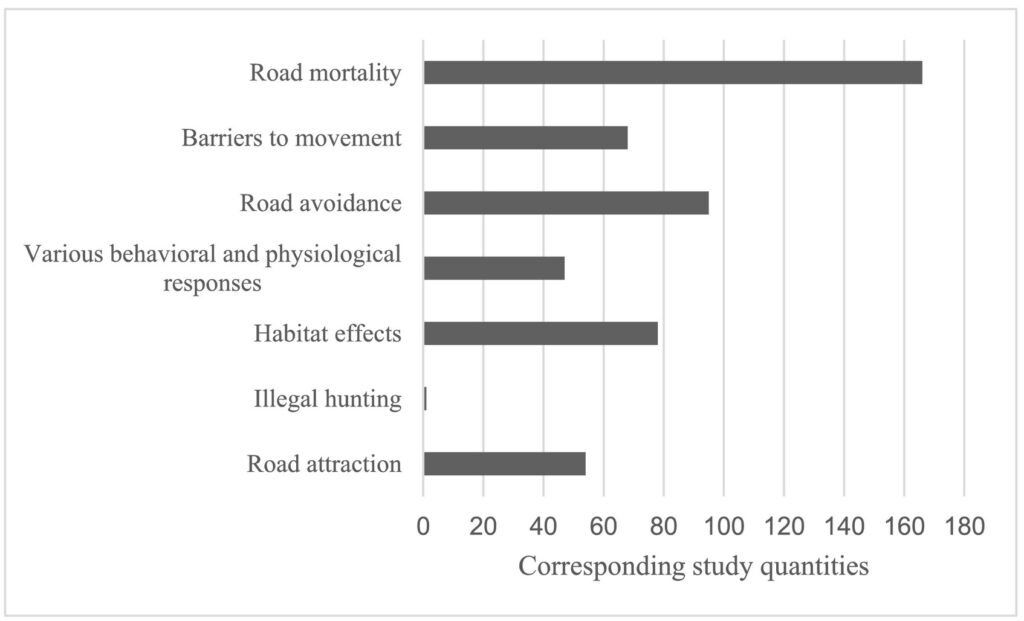
Abstract: This study examines mortality of the Amur tiger Panthera tigris altaica caused by traffic collision incidents in the Russian Far East from 1980 to 2023. Forty-six per cent of...
Abstract: Sumatran tigers (Panthera tigris sumatrae), critically endangered mammals native to Indonesia, play a vital role in maintaining ecosystem balance by regulating prey populations. However, habitat loss and human-wildlife conflict...
Abstract: Background: Emerging viral diseases are spreading to new geographic locations, influenced by human activities and climate change. Morbillivirus canis (also known as canine distemper virus, CDV), the etiological agent...
Abstract: Background The tiger population in Southwest Primorye is small and predominantly isolated from the main Sikhote-Alin population, which constitutes approximately 90% of the wild Amur tiger population. By 1996,...
Abstract: As a natural species, the tiger, conventionally regarded as a quintessential Asian animal, occupies the apex of material and energy flows within forest ecosystems. Beyond its natural form, the...
Abstract: Recovery of large yet ecologically important carnivores poses a formidable global challenge. Tiger (Panthera tigris) recovery in India, the world’s most populated region, offers a distinct opportunity to evaluate...
Abstract: Empty but suitable habitat exists for many of the world’s terrestrial large carnivores, yet reintroductions are often considered difficult. In the Russian Far East, orphaned Amur tiger (Panthera tigris...
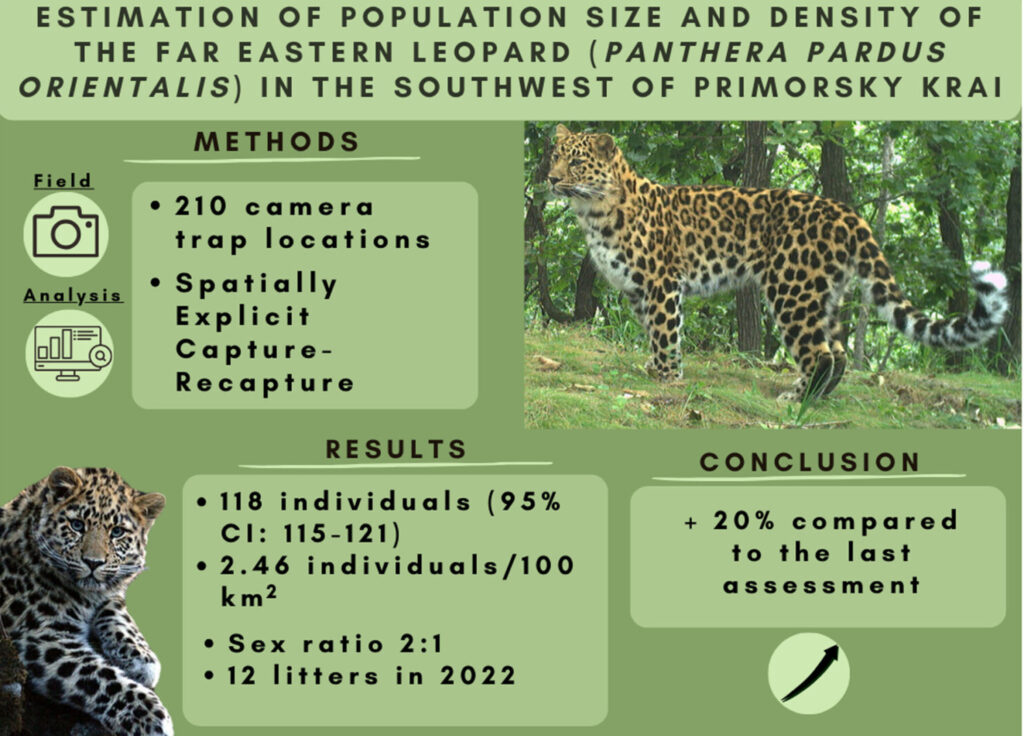
Abstract: Southwest Primorye hosts approximately 9% of the remaining wild Amur tiger population and represents hope for the revival of tigers in Northeast China and the Korean peninsula. Decades ofconservation...
Abstract: Population density is a valuable metric used to manage wildlife populations. In the Russian Far East, managers use the FormozovMalyushev-Pereleshin (FMP) snow tracking method to estimate densities of ungulates...
Abstract: Inbreeding increases genome homozygosity within populations, which can exacerbate inbreeding depression by exposing homozygous deleterious alleles that are responsible for declines in fitness traits. In small populations, genetic purging...
Abstract: Following the local extermination of tigers from India's two premier reserves, village relocation as a policy to create more inviolate space for tiger breeding was conceived by the Indian...
Abstract: Conservation of threatened species is dependent on consistent population monitoring. We present the first status assessment of critically endangered Sumatran tigers (Panthera tigris sumatrae) and their prey in the...
Abstract: Managing protected areas (PAs) requires measurable indicators to assess effectiveness. The status of populations and guilds of multiple species are potential indicators that should be useful in biodiversity-rich tropical...
Abstract: Human fatalities and injury from wildlife attacks often result in a negative attitude toward conservation. This research was undertaken to investigate the patterns and conflict-causing factors of human killing...
Abstract: Examining the distribution patterns of sympatric large carnivores provides critical insights into the roles of prey availability and human disturbances in shaping the landscape use of these key predators....
Abstract: Human wildlife gap has shrunk due to urbanization and agricultural expansion. Domestic animals and wild mammals are pushed closer together, enabling disease transmission between the two groups. Recent discovery...
Abstract: The identification and implementation of conflict reduction measures are necessary to reduce predator attacks on people and livestock and to minimize human encroachment into predator habitats. We identified potential...