
Abstract: Protected areas face immense pressure for their resources and the space that they occupy. To protect them and their wildlife, management approaches such as ranger patrols and measures to...
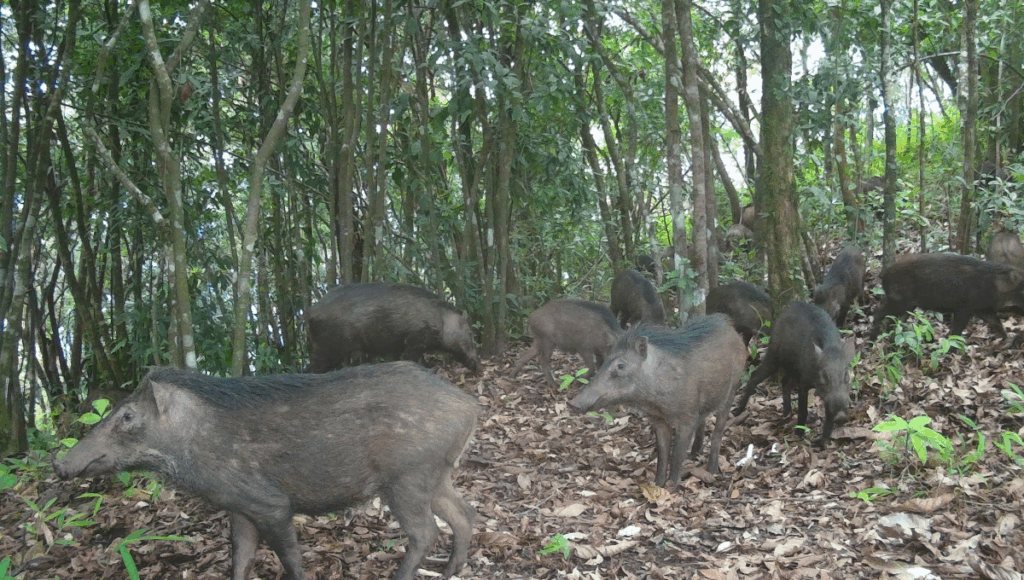
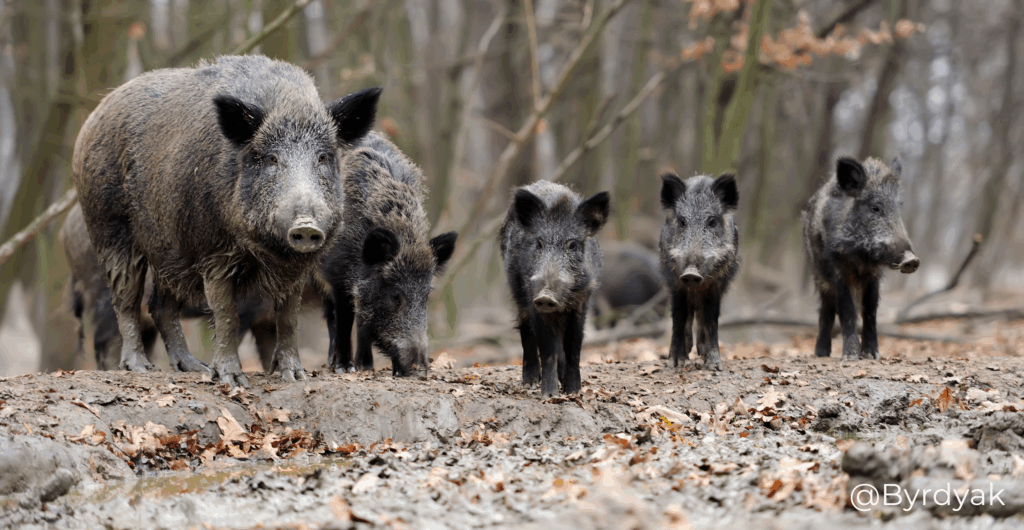
Abstract: This study is aimed at assessing the status of the Amur tiger subpopulation, Panthera altaica, in Khabarovsky Krai under sharply deteriorated trophic conditions caused by the African swine fever...
Abstract: This study examines mortality of the Amur tiger Panthera tigris altaica caused by traffic collision incidents in the Russian Far East from 1980 to 2023. Forty-six per cent of...
Abstract: Sumatran tigers (Panthera tigris sumatrae), critically endangered mammals native to Indonesia, play a vital role in maintaining ecosystem balance by regulating prey populations. However, habitat loss and human-wildlife conflict...
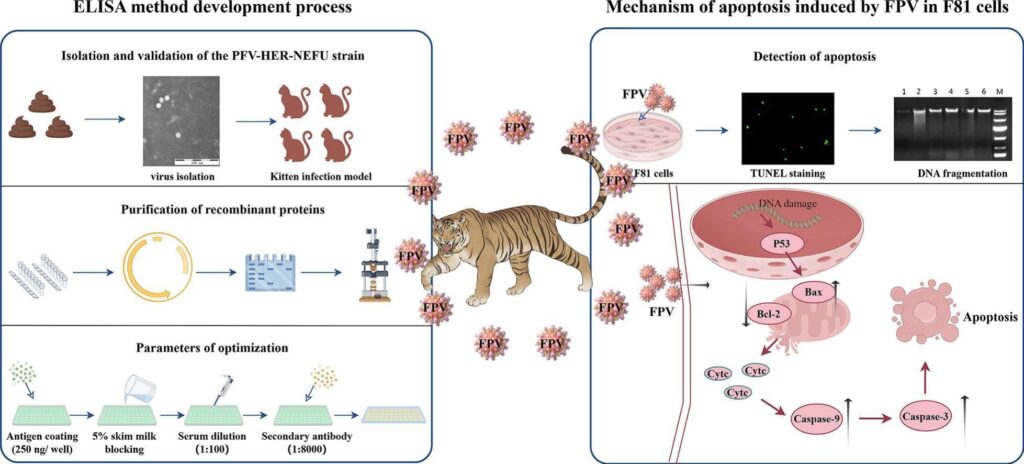
Abstract: Background: Emerging viral diseases are spreading to new geographic locations, influenced by human activities and climate change. Morbillivirus canis (also known as canine distemper virus, CDV), the etiological agent...
Abstract: Background The tiger population in Southwest Primorye is small and predominantly isolated from the main Sikhote-Alin population, which constitutes approximately 90% of the wild Amur tiger population. By 1996,...
Abstract: As a natural species, the tiger, conventionally regarded as a quintessential Asian animal, occupies the apex of material and energy flows within forest ecosystems. Beyond its natural form, the...
Abstract: Recovery of large yet ecologically important carnivores poses a formidable global challenge. Tiger (Panthera tigris) recovery in India, the world’s most populated region, offers a distinct opportunity to evaluate...
Abstract: Empty but suitable habitat exists for many of the world’s terrestrial large carnivores, yet reintroductions are often considered difficult. In the Russian Far East, orphaned Amur tiger (Panthera tigris...
Abstract: Southwest Primorye hosts approximately 9% of the remaining wild Amur tiger population and represents hope for the revival of tigers in Northeast China and the Korean peninsula. Decades ofconservation...
Abstract: Population density is a valuable metric used to manage wildlife populations. In the Russian Far East, managers use the FormozovMalyushev-Pereleshin (FMP) snow tracking method to estimate densities of ungulates...
Abstract: Inbreeding increases genome homozygosity within populations, which can exacerbate inbreeding depression by exposing homozygous deleterious alleles that are responsible for declines in fitness traits. In small populations, genetic purging...