Nepal’s wild tiger population has risen to an estimated 429 animals, according to the country’s latest national tiger survey, continuing one of the most significant tiger recoveries of recent decades.
One national park stands out
One result stands out in particular. Parsa recorded the largest increase in tiger numbers of any of Nepal’s five tiger landscapes, rising from 41 tigers in 2022 to 71 in 2026, an increase of 30 animals, or 73%.
WildCats has supported tiger conservation in and around Parsa National Park since 2015, funding work implemented by ZSL Nepal alongside park authorities and local communities. This landscape, in which we work, has made a substantial contribution to Nepal’s national growth, accounting for 30 of the country’s net increase of 74 tigers since 2022 (40%).
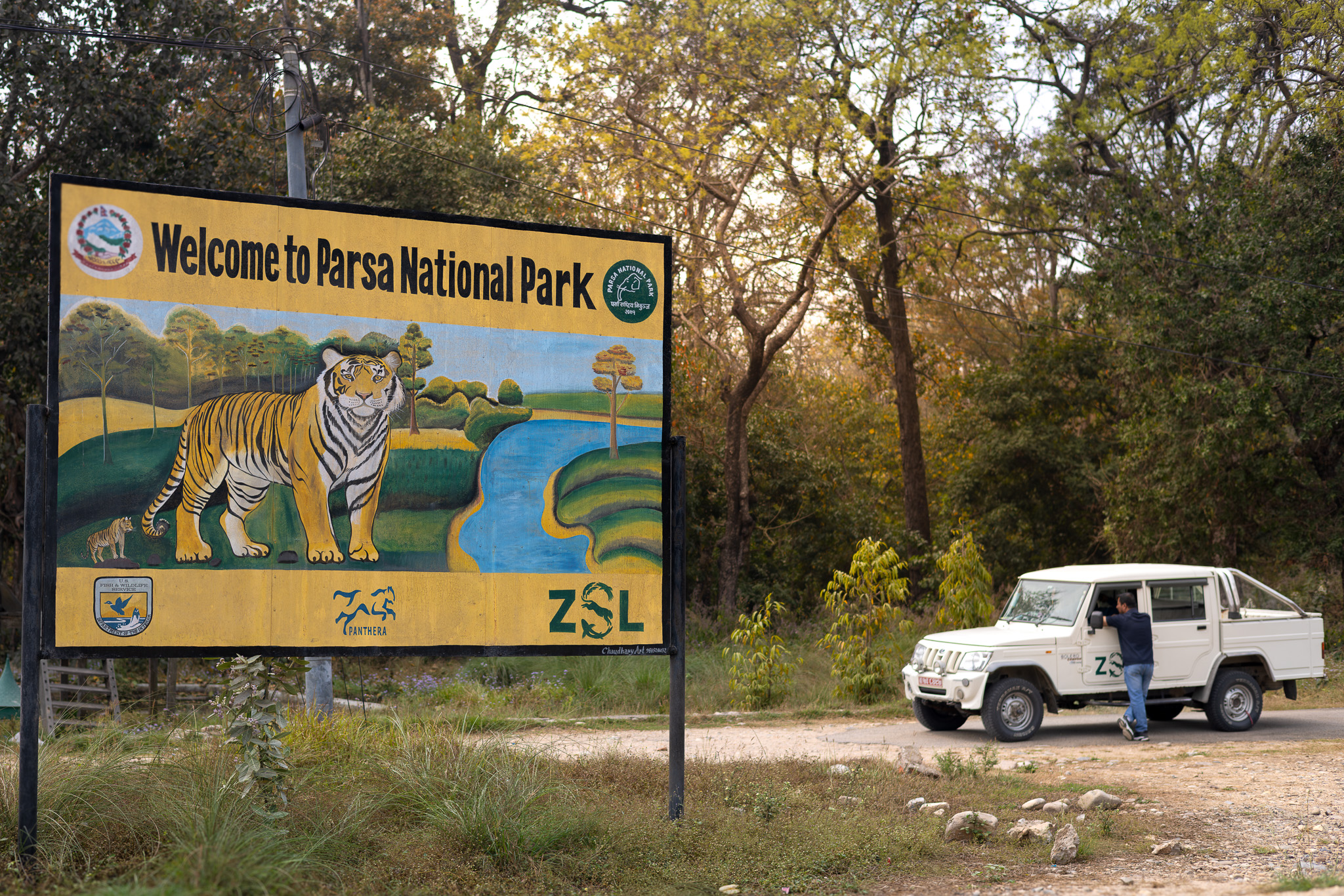
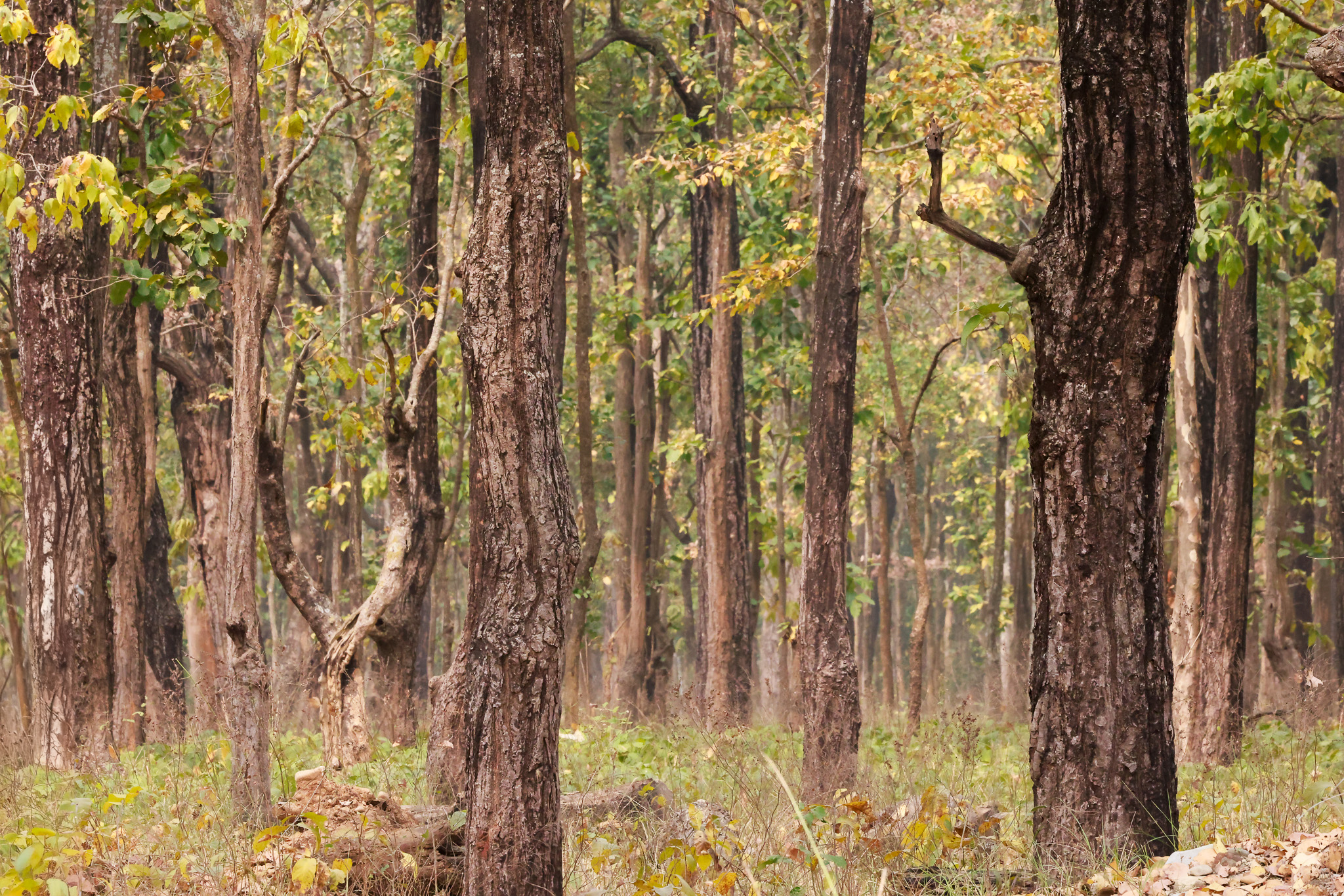
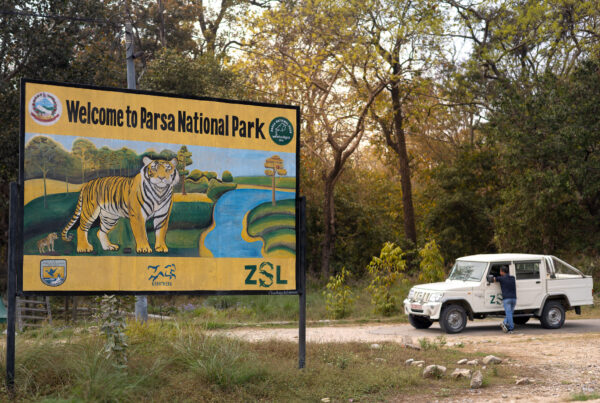
Parsa National Park entrance and the trees within the park – Images by Amy van Gelder
What happens as tiger numbers grow?
As tiger numbers increase, so too does the importance of ensuring there is enough secure habitat, natural prey and water to support them while also making sure that the people living alongside these big cats feel safe and protected. This has increasingly shaped the work supported by WildCats Conservation Alliance and implemented by ZSL Nepal in Parsa.
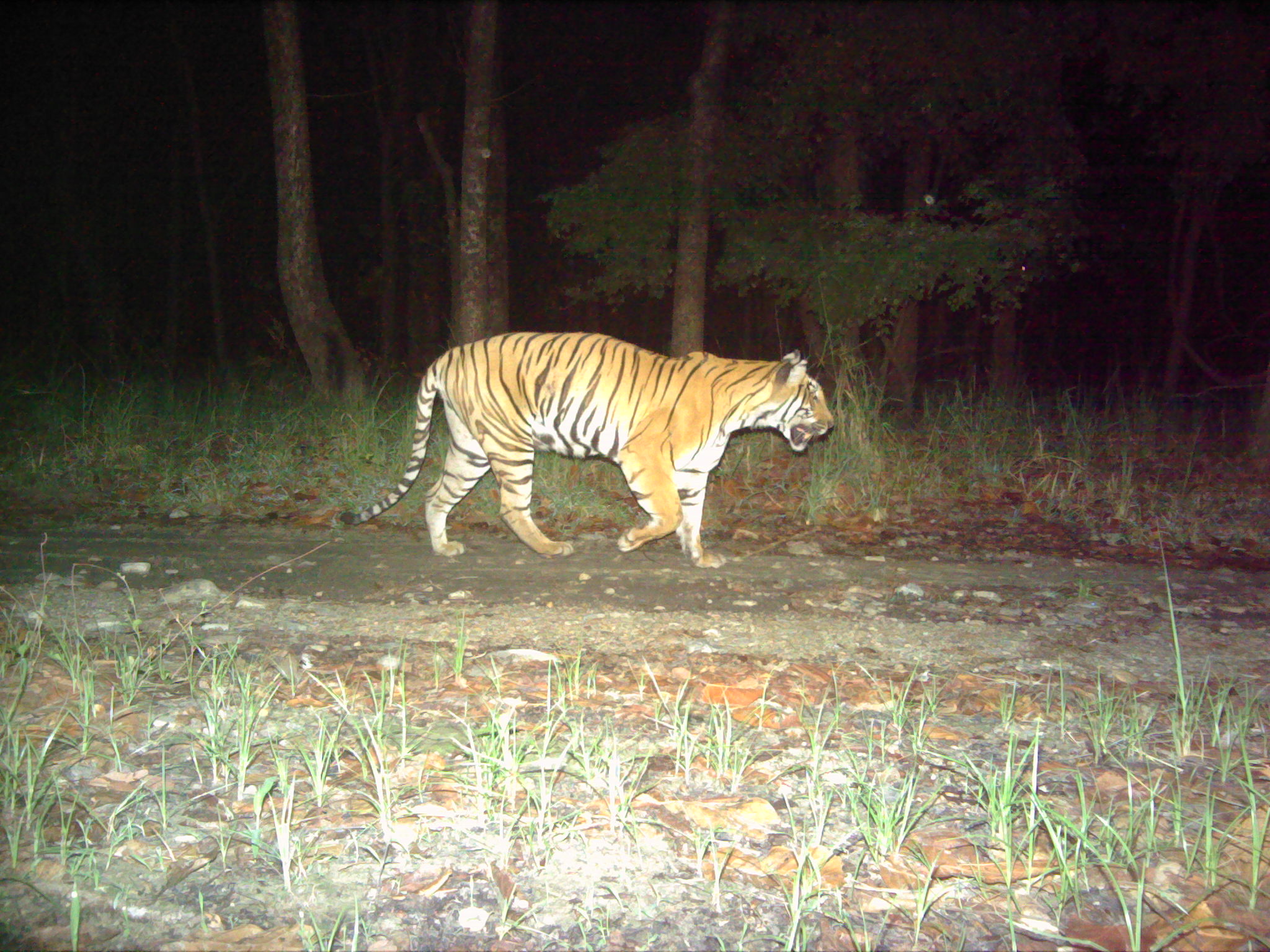
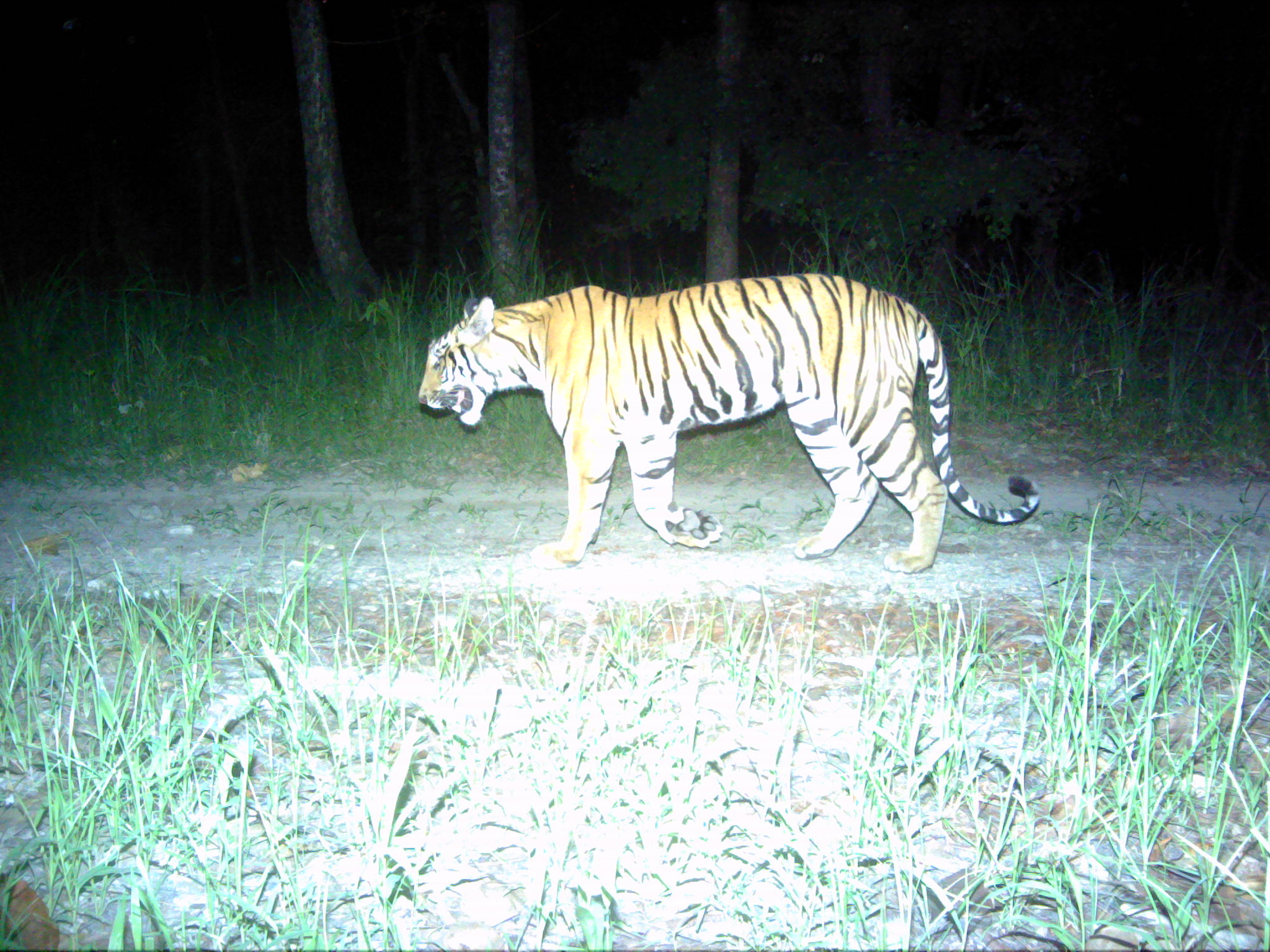
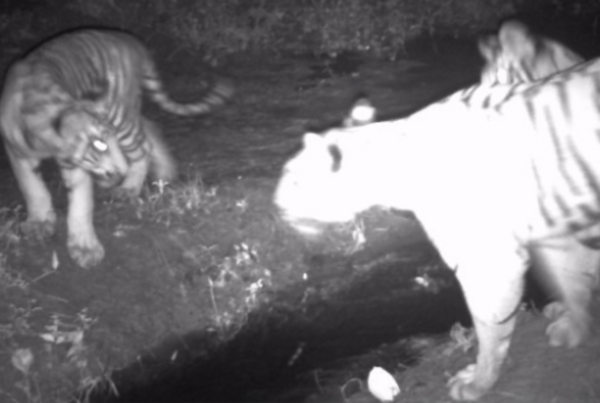
Two camera trap images of tigers within Parsa NP taken in 2025 – Images from ZSL Nepal and PNP Authority
Helping keep tigers within the park
Rather than focusing on tiger numbers alone, the project is working to strengthen the wider landscape needed to sustain a growing population. One important part of this is habitat management. Grasslands provide feeding grounds for many of the deer, wild boar and other herbivores on which tigers depend. But without active management they can be lost to woodland succession, invasive plants and the spread of tall, less suitable vegetation. Since 2019, ZSL Nepal, with support from WildCats, has managed grassland in Parsa using measures including selective tree cutting, invasive plant removal and controlled burning to encourage new grass growth.
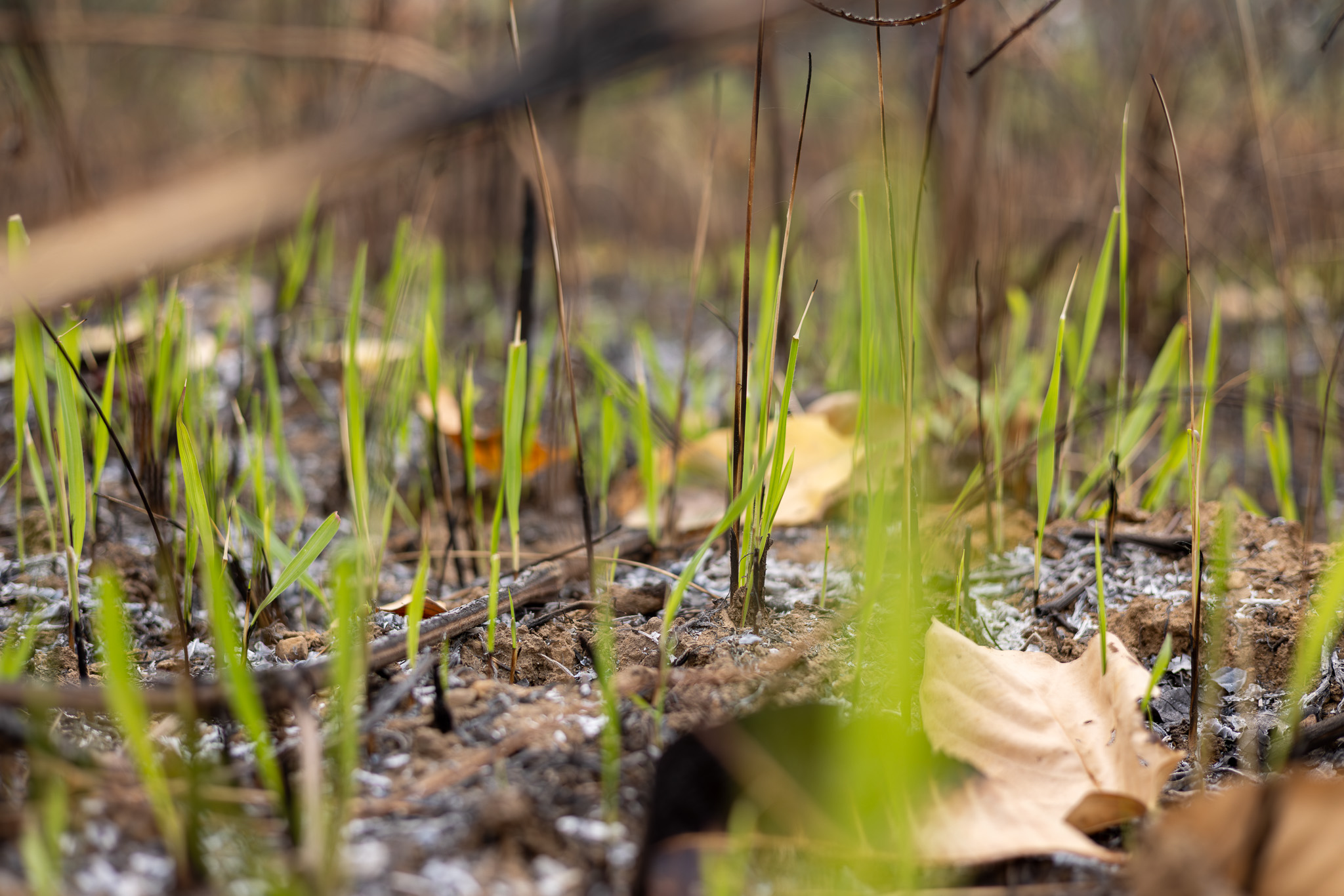
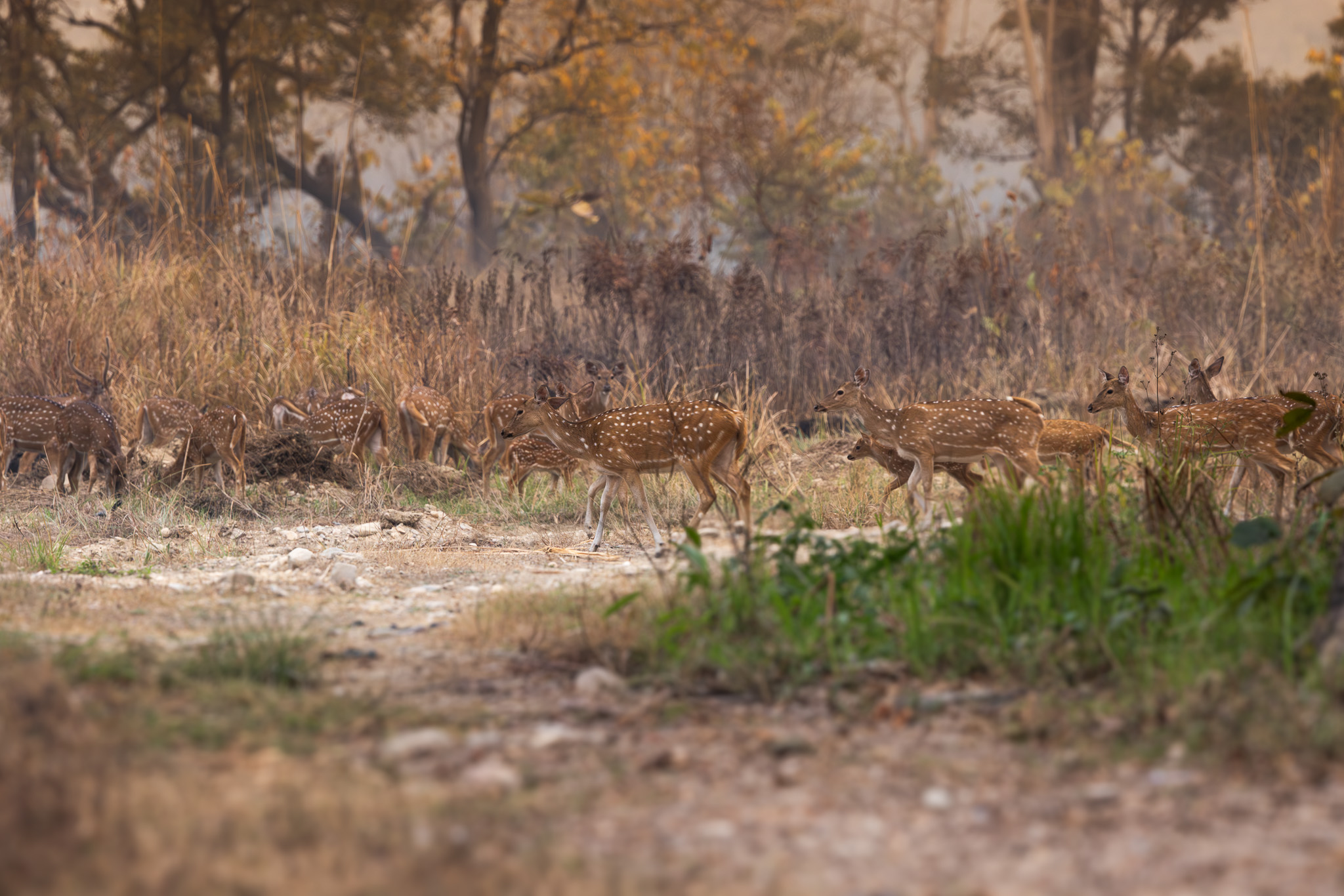
Image of new grasses coming through and of deer using the grasslands – Images from Amy Van Gelder
Water is another limited resource. Much of Parsa is relatively dry, and habitat assessments identified access to water as an important issue for its wildlife. WildCats has supported ZSL Nepal and the Department of National Parks and Wildlife Conservation (DNPWC) to provide artificial waterholes within the park. Camera traps have recorded tigers as well as gaur, wild boar and barking deer using them. By providing water for both tigers and their prey this intervention can also help reduce the pressure on wildlife to move towards villages in search of water or for tigers to seek livestock outside the protected area.
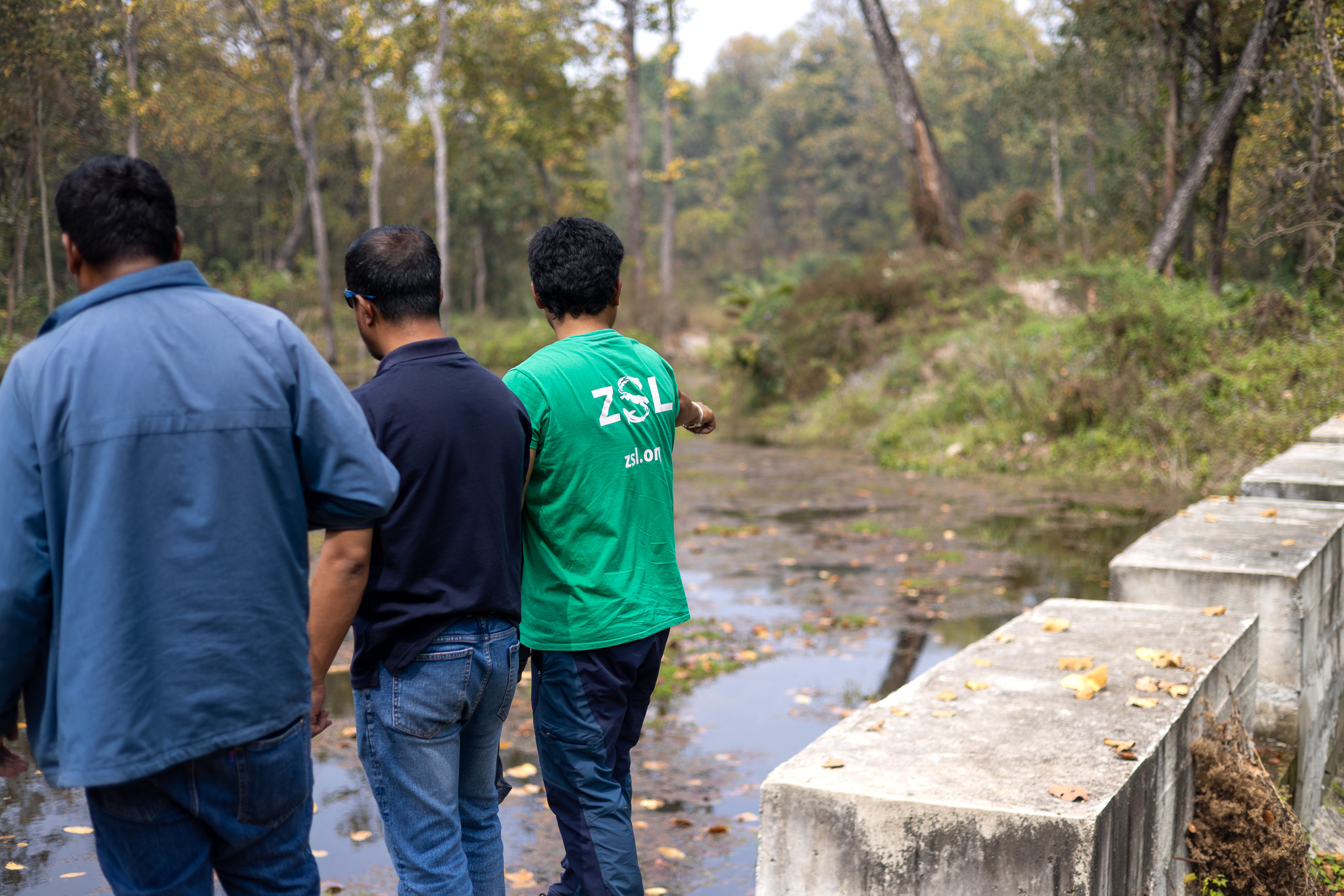
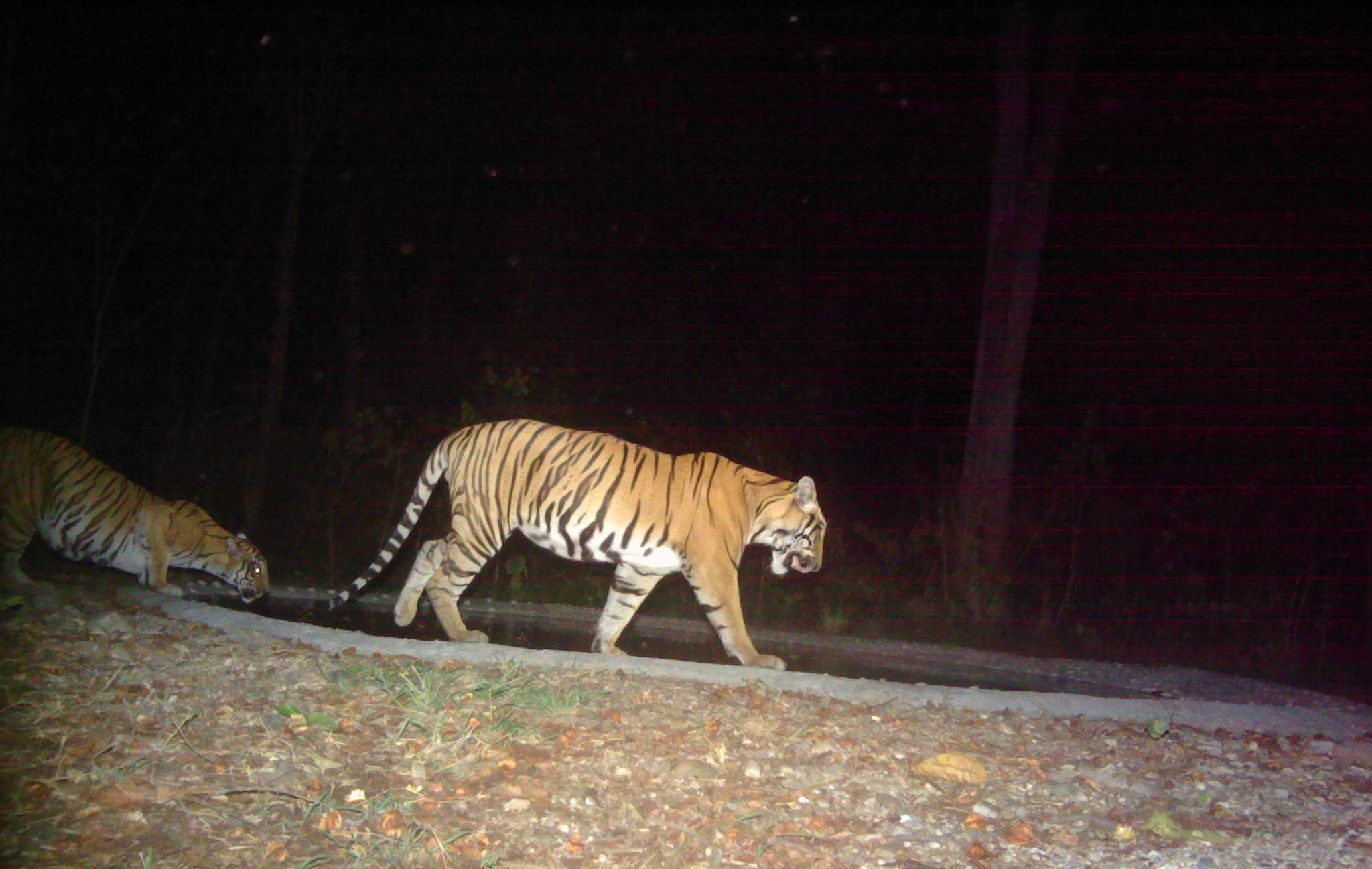
ZSL Nepal team overlooking a human made lake in the park and a tiger drinking from a watering hole in 2023 – Images from Amy van Gelder, ZSL Nepal and PNP Authority
Helping communities live safely alongside tigers
But maintaining good habitat inside the park is only one side of the challenge. As tiger numbers grow, encounters at the edges of protected areas can become more likely. People living alongside tiger habitat need to know what to do when animals are nearby, have confidence that incidents will be responded to, and feel that their safety and livelihoods are being taken seriously.
That is where Bagh Mitra, or “Friends of the Tiger”, comes in. With WildCats funding, ZSL Nepal is supporting a network of local people in communities along the southern edge of Parsa and nearby forests. Fifteen Bagh Mitra have been trained in tiger ecology, conflict avoidance, rescue protocols and communication, and now help share practical advice, report incidents and strengthen communication between communities and conservation authorities.
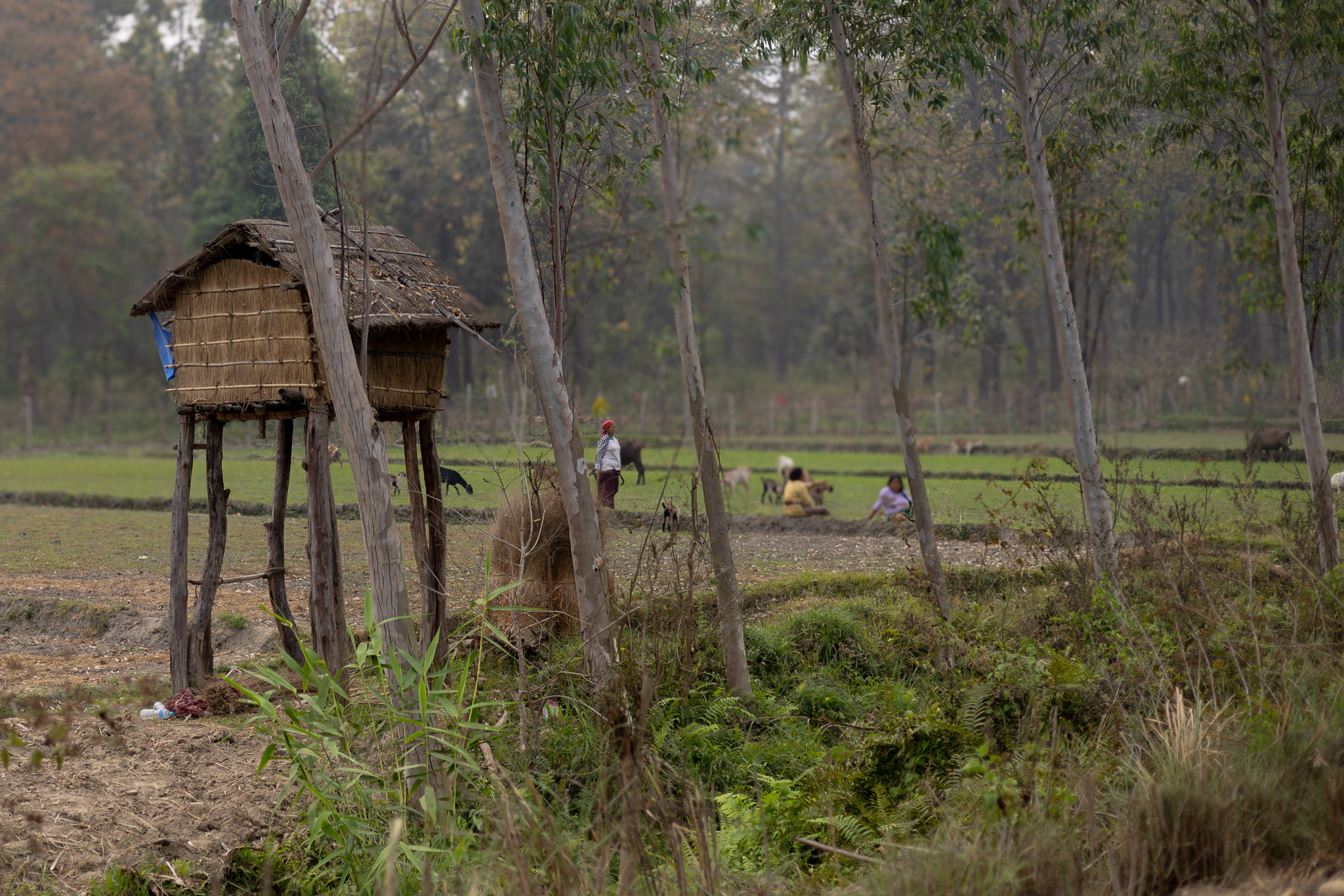
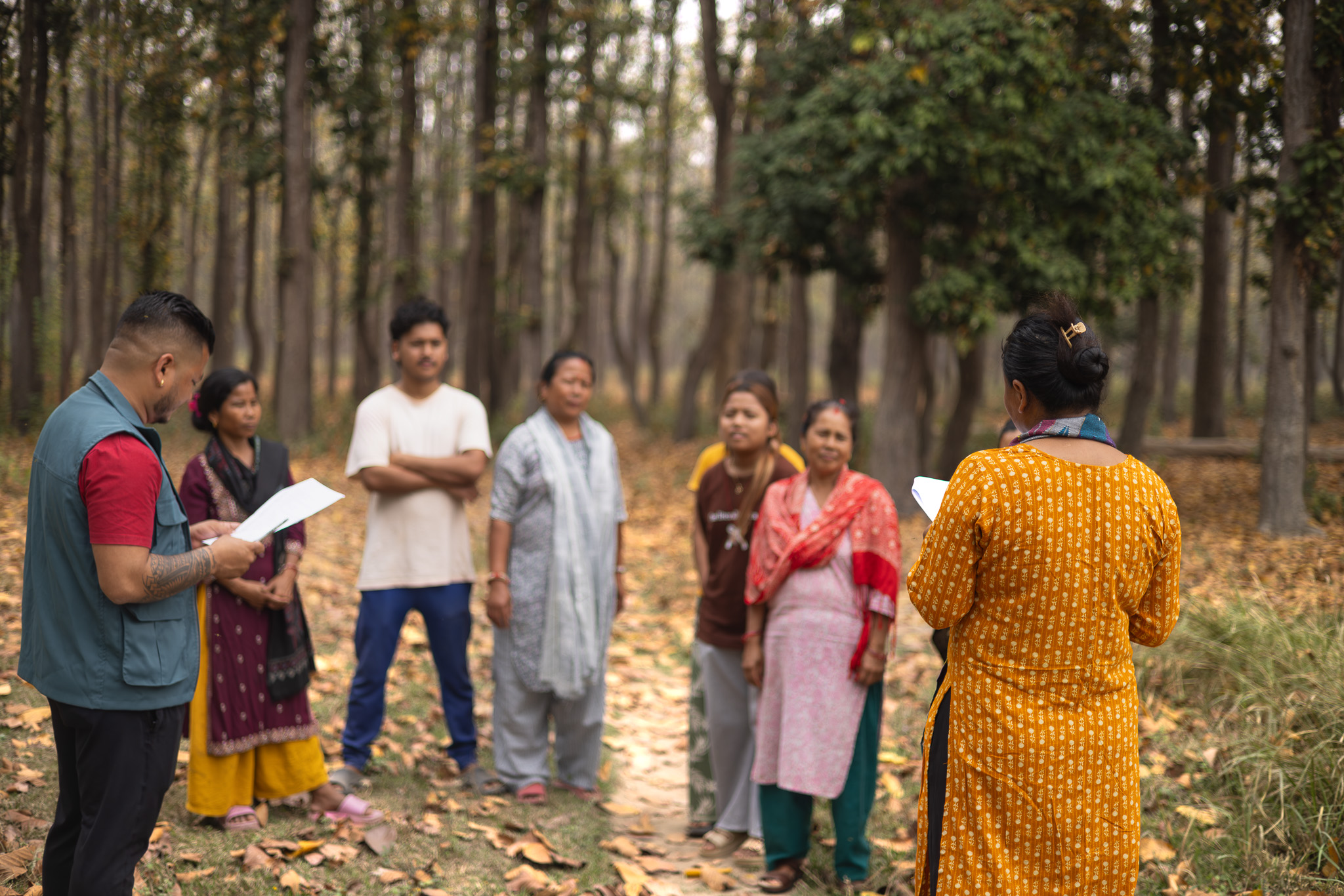
Image of communities working the land next to the forest and of the Bagh Mitras conducting awareness – Images from Amy Van Gelder
The next phase
Together, these approaches reflect what the next phase of tiger conservation in Nepal increasingly requires: ensuring that a growing tiger population has the habitat and resources it needs, while making it safer for people to live alongside it.
The future of Nepal’s tiger recovery will depend not simply on whether numbers continue to rise, but on whether landscapes such as Parsa can sustain those tigers over the long term, with the support of the communities who live alongside them.