Site Information
Abstract Tigers are critically endangered due to deforestation and persecution. Yet in places, Sumatran tigers (Panthera tigris sumatrae) continue to coexist with people, offering insights for managing wildlife elsewhere. Here,...
Read More
Abstract We examined human and ecological attributes of attacks by tigers Panthera tigris and leopards Panthera pardus on humans in and around the Tadoba-Andhari Tiger Reserve in the Chandrapur District...
Read More
Species, sex and geo-location identification of seized tiger (Panthera tigris tigris) parts in Nepal
Abstract Tiger (Panthera tigris) populations are in danger across their entire range due to habitat loss, poaching and the demand for tiger parts. The Bengal tiger (Panthera tigris tigris) is...
Read More
Evaluating the effect of forest loss and agricultural expansion on Sumatran tigers from scat surveys
A new conservation paper has used Sumatran tiger genetics from poo to analyse how tiger populations across the island of Sumatra have been affected by high rates of habitat loss…
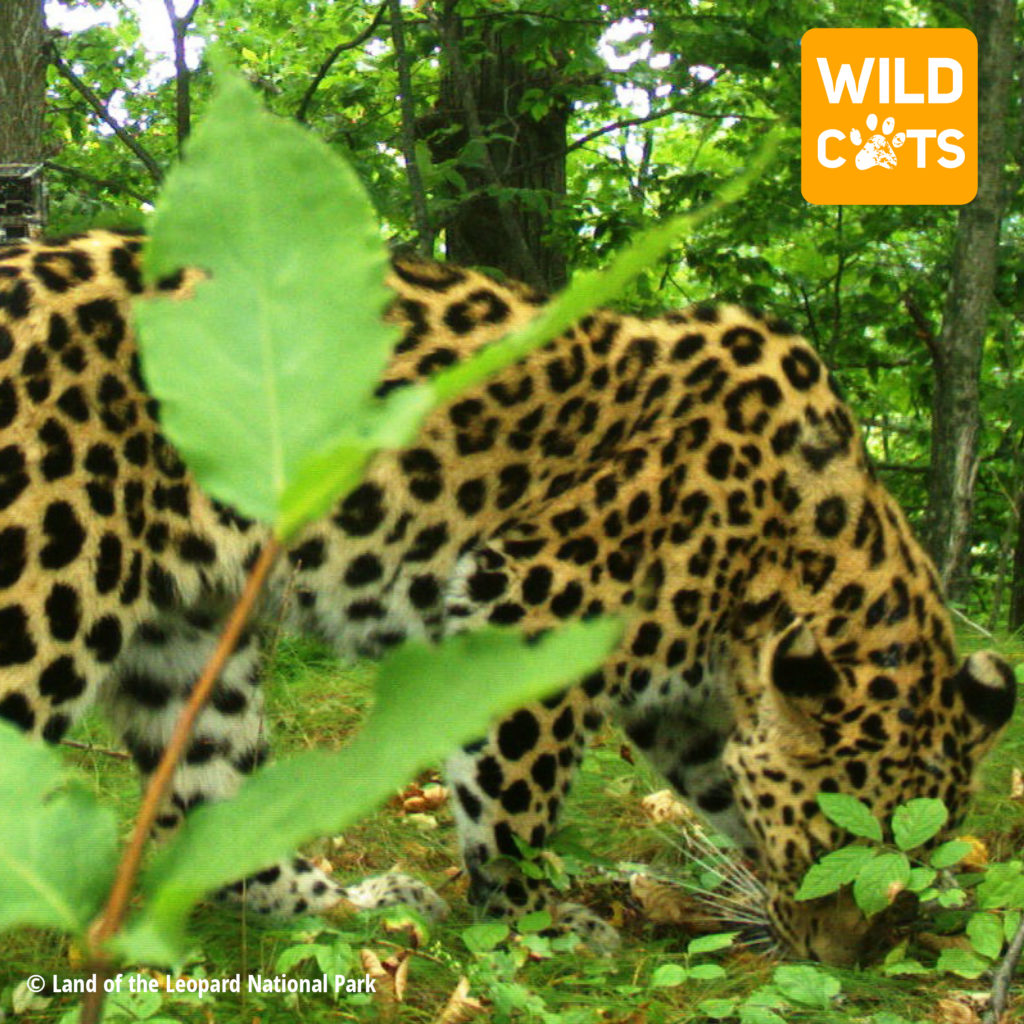
Abstract Wild, solitary felids demonstrate a variety of spacing patterns, with diversity in spatial organization largely attributed to variations in abundance and distribution of important resources, particularly prey. We examined...
Read More
17 January 2018, Wildlife Conservation Society (WCS) released a paper, published in the Journal of Wildlife Diseases officially documenting the first case of Canine Distemper Virus (CDV) in a two-year-old,…
Abstract Habitat loss is the greatest threat to large carnivores around the world. Maintenance of functional connectivity in fragmented landscapes is important for long-term species persistence. Here, we merge landscape...
Read More
Abstract Sporadic sightings of the endangered Amur tiger Panthera tigris altaica along the China-Russia border during the late 1990s sparked efforts to expand this subspecies distribution and abundance by restoring...
Read More
Abstract We studied the diet of the Bengal tigers (Panthera tigris tigris) in Chitwan National Park, Nepal, by identifying 109 prey items from 85 tiger scats. Tigers in this region...
Read More
Abstract The continuing development of improved capture–recapture (CR) modeling techniques used to study apex predators has also limited robust temporal and cross-site analyses due to different methods employed. We develop...
Read More
Examining the shifting patterns of poaching from a long-term law enforcement intervention in Sumatra
Abstract Current levels of illegal wildlife trade for many in-demand species are unsustainable and place them at a heightened risk of extinction. While several Asian protected areas standout for their...
Read More