For the first time, a tiger has been released into the wild where it was once recorded as extinct as part of an effort to restore the species to its historic range. More than 70 years after tigers disappeared from Kazakhstan, an adult female named Umit is now roaming wild in the country’s Ile-Balkhash State Nature Reserve.
A world first for tiger conservation
On 31 July 2026, an adult female Amur tiger named Umit, meaning “hope” in Kazakh, stepped out into the wild in southeastern Kazakhstan.
While tigers have been translocated between landscapes where the species still survives, Kazakhstan is attempting the first-ever tiger reintroduction to a country where tigers had become extinct.
Returning a lost predator
Historically, tigers ranged much further west than they do today. The now extinct Caspian tiger, also known as the Turan tiger, once occupied Central Asia but hunting, habitat destruction and declining populations of wild prey eventually drove this subspecies of tiger to extinction.
As the Caspian tiger is extinct, Kazakhstan’s programme is instead using Amur tigers, an almost genetically identical subspecies of tiger to the Caspian which inhabits the Russian Far East and northeastern China.
Umit was one of four wild Amur tigers transferred from Russia’s Khabarovsk region to Kazakhstan in May 2026. The group consists of two adults, Umit and a male named Amur, and two younger tigers, Turan and Ussuri.
Before Umit was released, specialists assessed her health, hunting ability, behaviour around people and ability to survive independently. She was then fitted with a GPS/GSM satellite collar so that her movements could be followed after release.
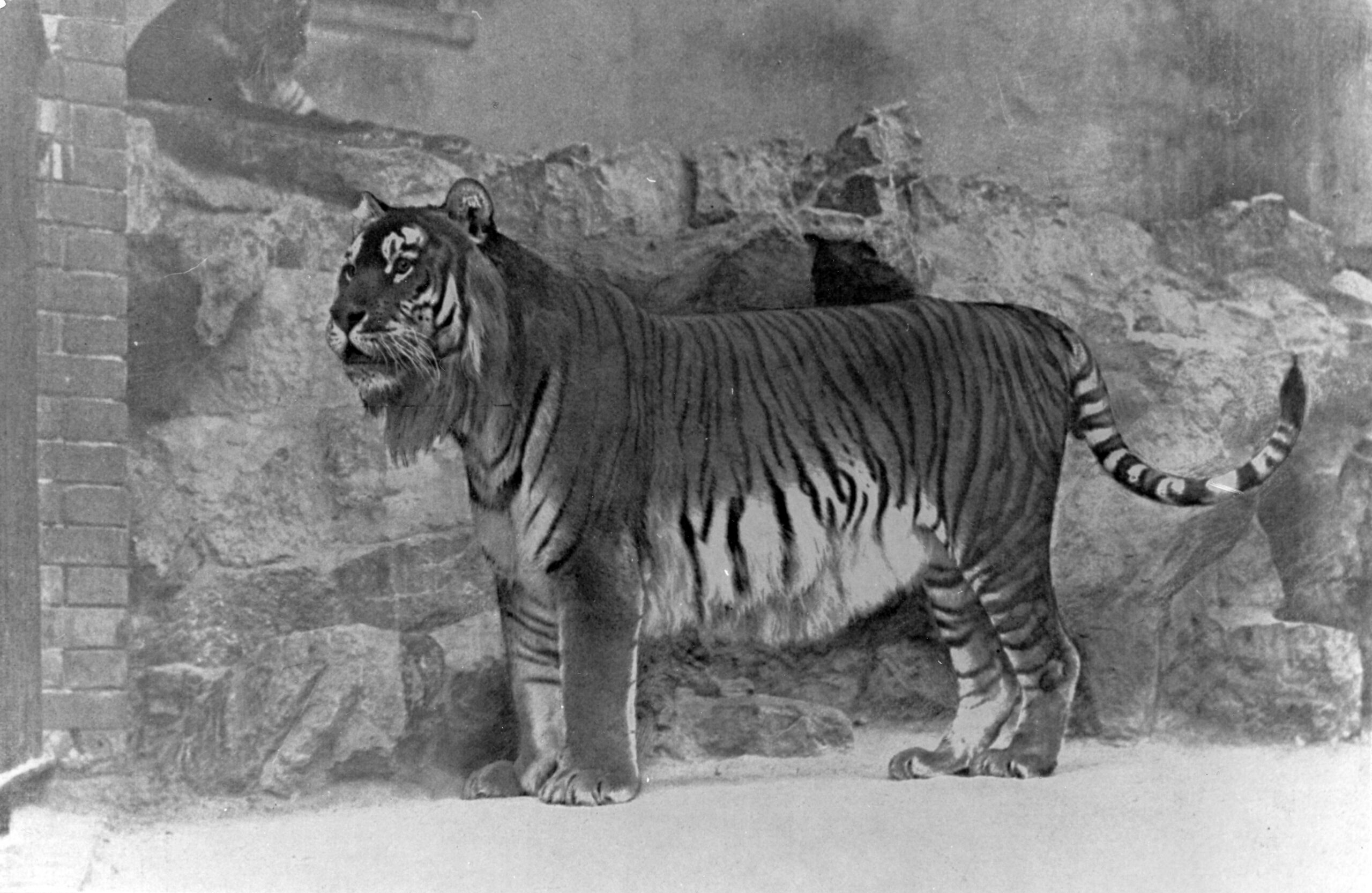
Caspian tiger © Berlin Zoo 1899
A decade spent preparing
Returning a large predator to an ecosystem where it has been absent for generations requires more than simply transporting an animal and opening a cage. There must be enough habitat, sufficient wild prey, effective protection and support from the people who live nearby.
Kazakhstan first backed the idea of bringing tigers back in 2010. In 2017, the Government of Kazakhstan and WWF signed an agreement to develop the reintroduction programme, and in 2018 the Ile-Balkhash State Nature Reserve was established as its focal landscape. Working with the Government of Kazakhstan, WWF and the United Nations Development Programme (UNDP) have supported habitat restoration, protection of the reserve and efforts to rebuild the populations of wild herbivores needed to sustain a predator.
Bukhara deer and kulan have been returned to the region, while work has also sought to strengthen populations of wild boar and other potential tiger prey. Floodplain forests have been restored and measures taken to improve the ecological condition of the Ili River delta.
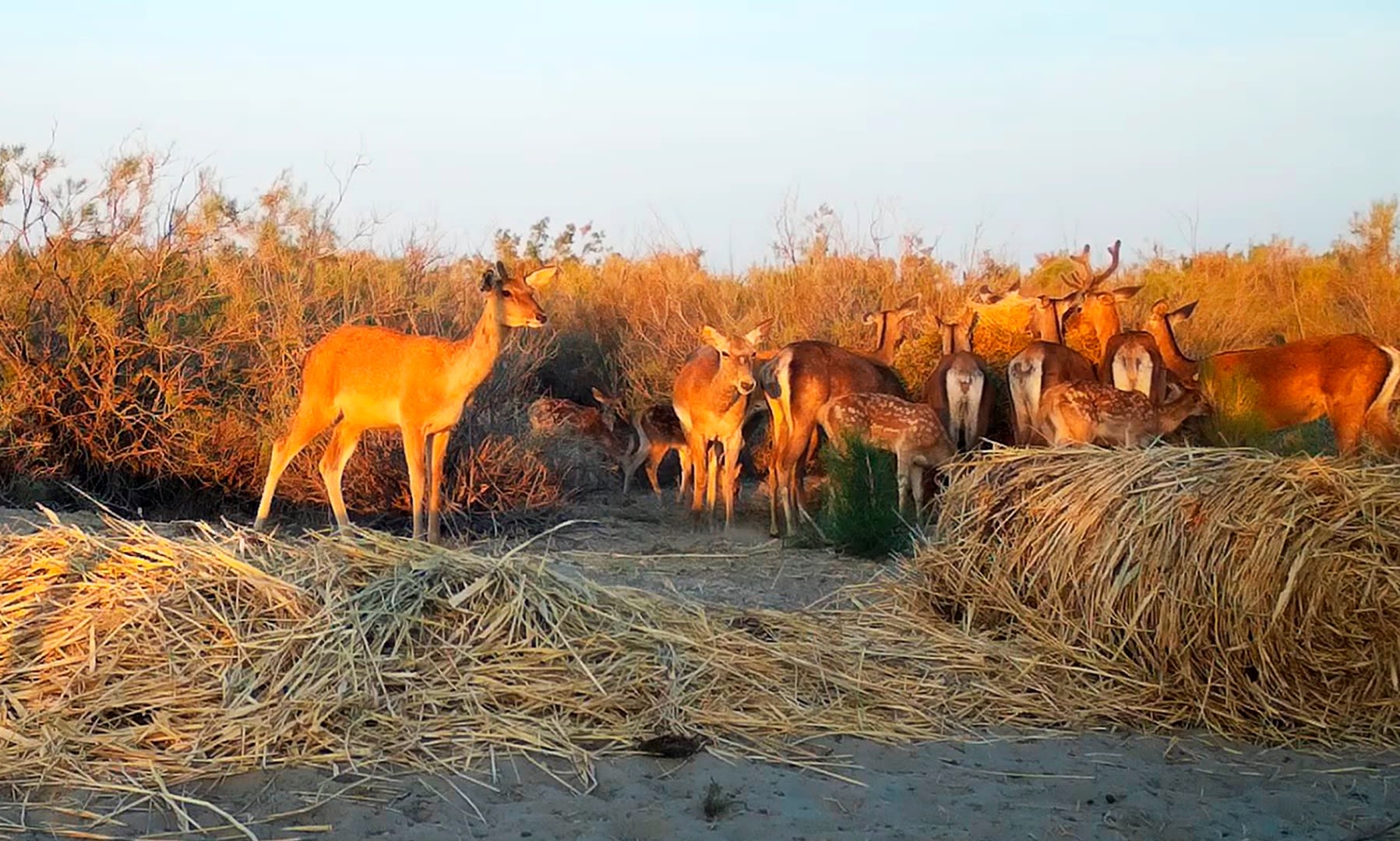
Released bukhara deer, Kazakhstan. © WWF
Tigers and people sharing a landscape again
There is another challenge that comes with returning an apex predator after a 70-year absence. Sharing the landscape with tigers is barely within living memory for local communities. WWF and its partners have therefore worked with the community around the reserve as part of preparations for the tigers’ return.
Monitoring also has a safety role. Umit’s satellite collar can alert specialists if she begins moving towards settlements or other areas of human activity, allowing teams to respond quickly.
Establishing a self-sustaining population will require more than tigers successfully hunting and breeding. It will depend on people being able to live safely alongside them too.
Early signs from the wild
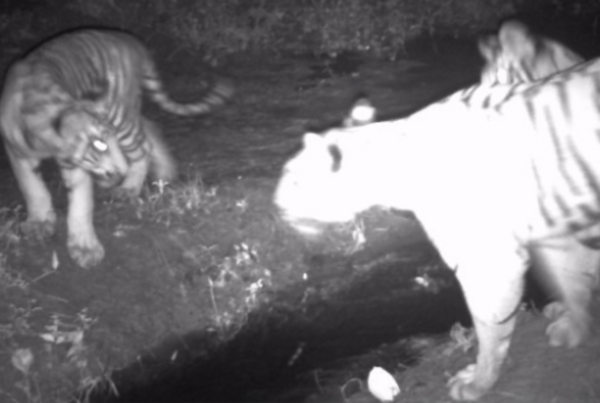
For now, Umit is being watched closely. Her satellite collar allows specialists from Kazakhstan’s Forestry and Wildlife Committee and Ile-Balkhash State Nature Reserve to monitor her movements, while teams investigate locations she has visited and use camera traps and field signs to understand how she is adapting.
The initial results have been encouraging. Within her first 10 days in the wild, it was reported that Umit had successfully killed a wolf and later a wild boar, evidence that she was hunting independently in her new environment. She has also been exploring forest and waterside habitats within the reserve as she begins to establish herself in unfamiliar territory.
These are promising signs, but they are still only the beginning. The success of the programme will ultimately depend on whether Umit and future released tigers can establish territories, survive and reproduce over many years.
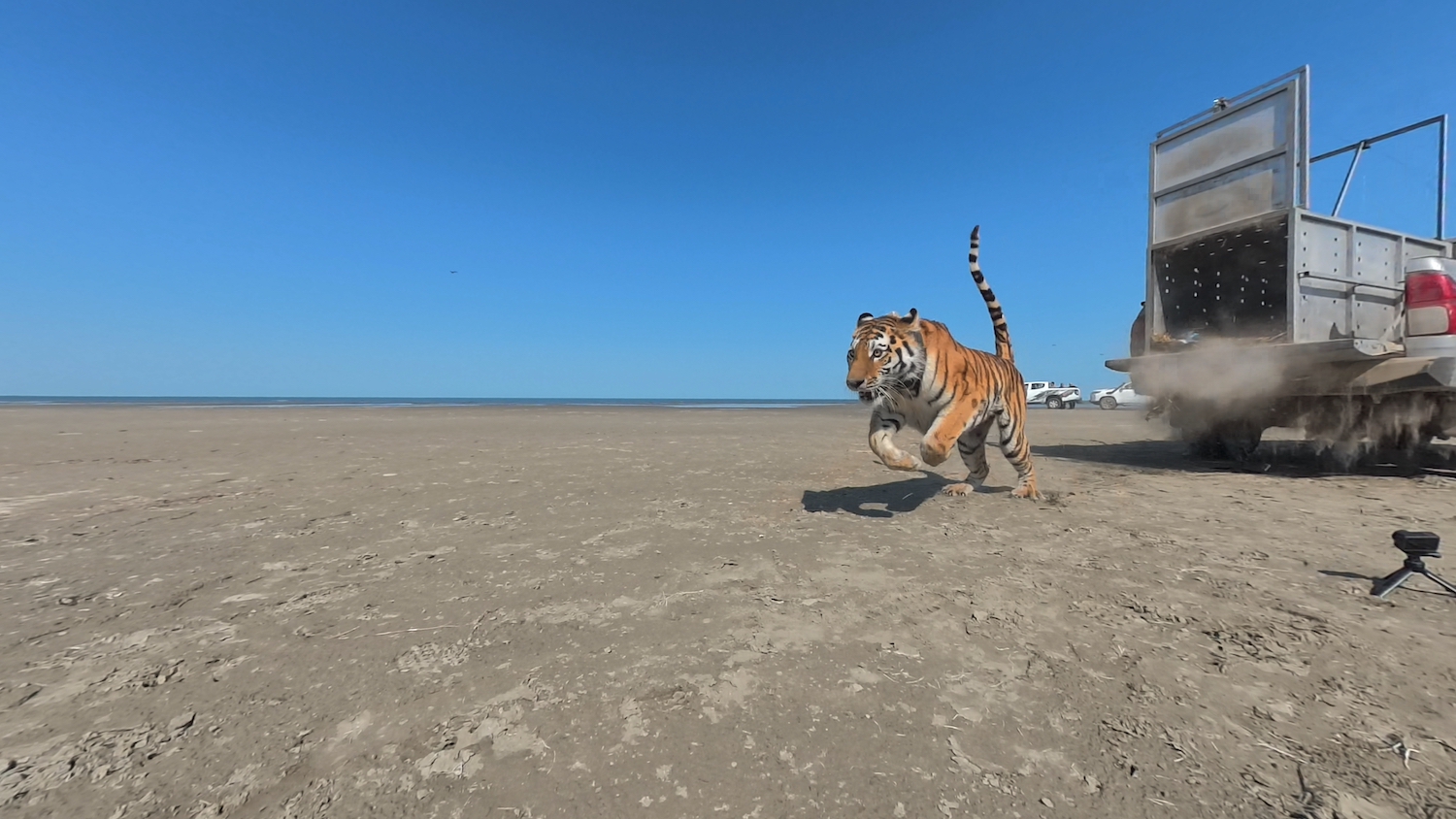
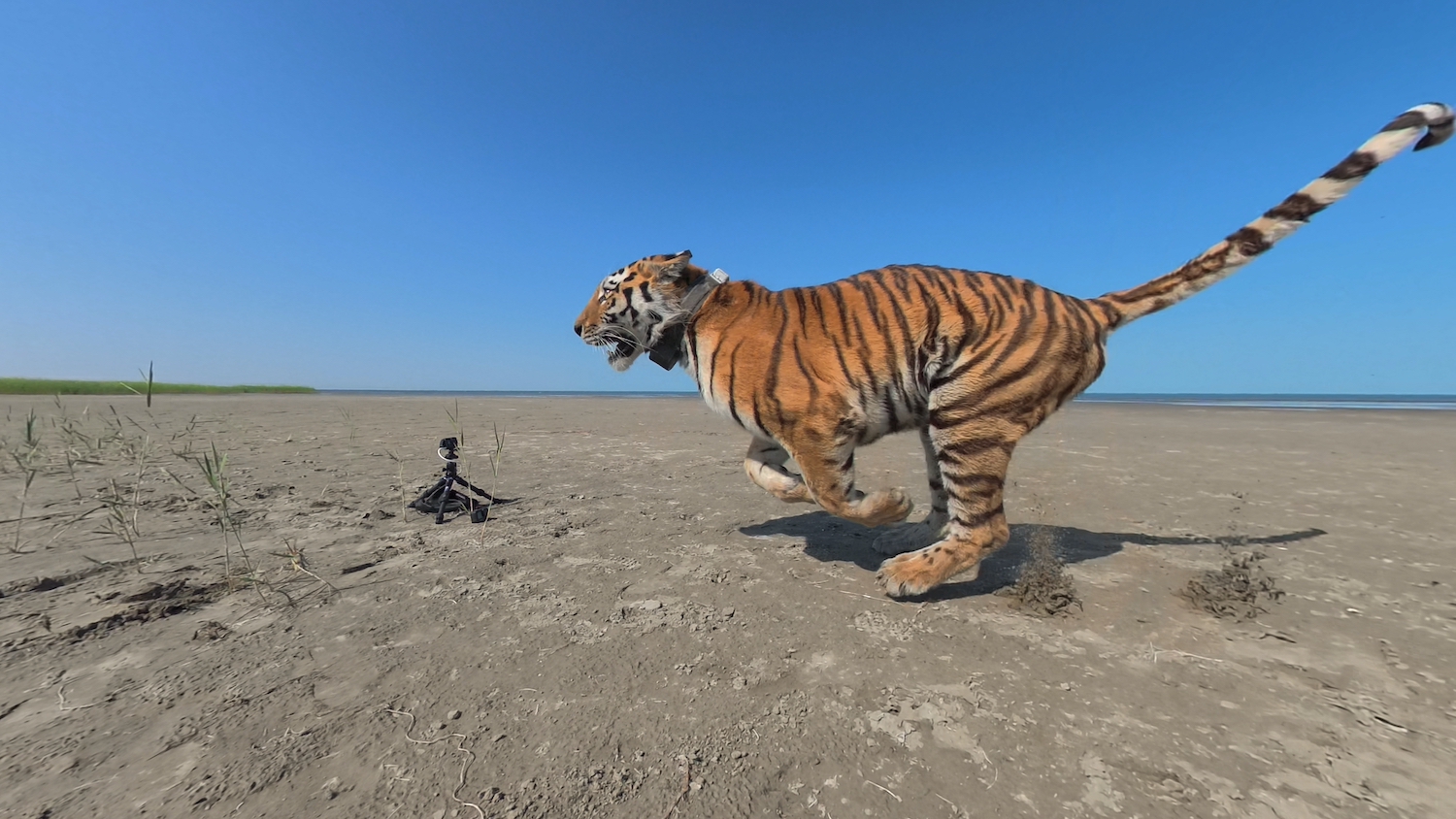
Images of release © amur-tiger.ru
One tiger is just the beginning
Umit will not be alone forever. Kazakhstan ultimately wants to establish a viable, reproducing population of wild tigers in the Ili-Balkhash landscape.
The adult male Amur and younger tigers Turan and Ussuri are undergoing their own periods of adaptation and assessment. Decisions about future releases will depend on whether specialists are confident that each animal can survive independently and avoid people.
There are also two captive Amur tigers already at Ile-Balkhash. Bohdana and Kuma were transferred from the Netherlands in 2024, following cooperation between Kazakhstan, WWF and the Dutch wildlife organisation involved in their care. The hope is that they will breed, with future generations potentially contributing to the restored wild population.
Tiger conservation has traditionally meant protecting the remaining fragments of the species’ range and rebuilding populations where tigers have survived. Kazakhstan is testing whether conservation can go one step further by restoring tigers to a country after they have disappeared altogether.