
Books have a magical way of sparking curiosity, imagination, and a lifelong love of learning. For World Book Day, Wildcats Conservation Alliance is celebrating the importance of big cats—especially tigers...
USAID funding freeze: The USAID funding freeze, affecting nearly half of global humanitarian aid, has destabilised essential services worldwide, with ripple effects threatening ecosystems, biodiversity, and vulnerable communities. Rising Threats...
This Valentine's Day, we spotlight an extraordinary story from the Russian Far East: the journey of two Amur tigers, Boris and Svetlaya. Their remarkable reunion, following Boris’s 120-mile trek, offers...
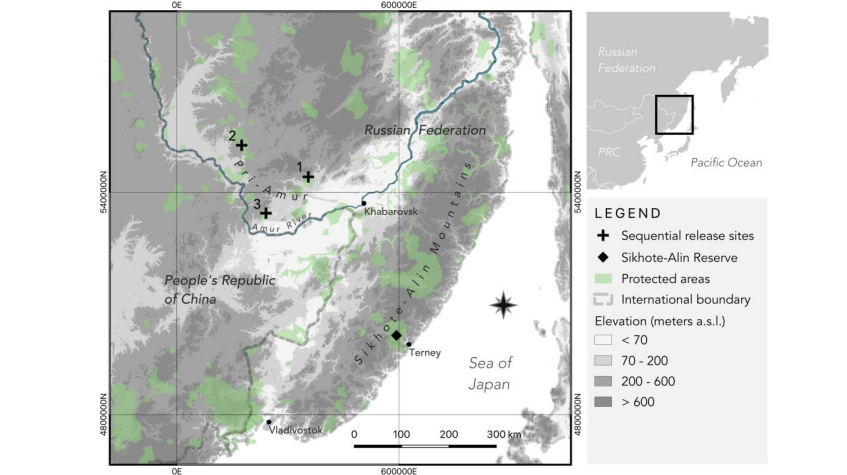
Abstract: Empty but suitable habitat exists for many of the world’s terrestrial large carnivores, yet reintroductions are often considered difficult. In the Russian Far East, orphaned Amur tiger (Panthera tigris...
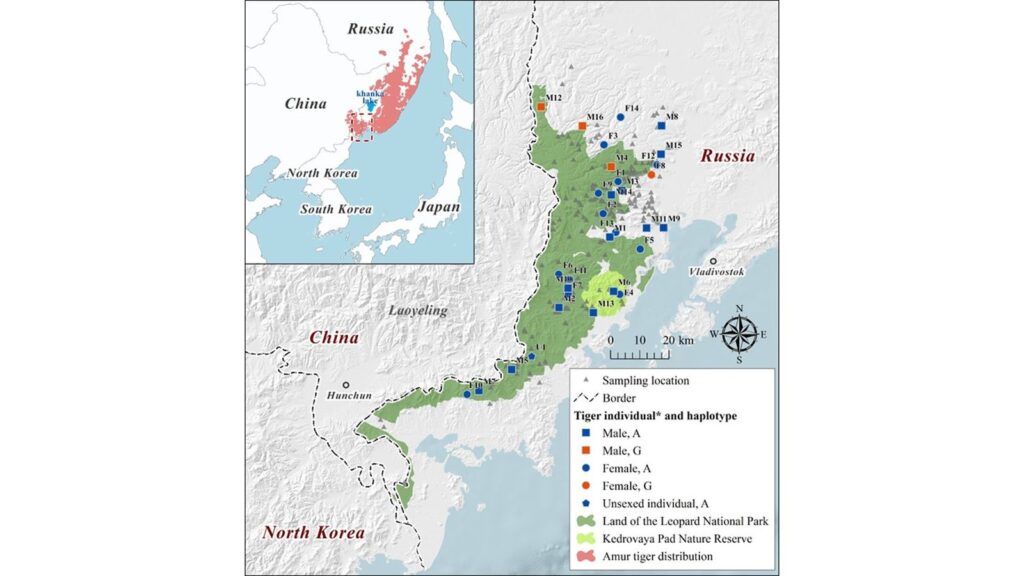
Abstract: Southwest Primorye hosts approximately 9% of the remaining wild Amur tiger population and represents hope for the revival of tigers in Northeast China and the Korean peninsula. Decades ofconservation...
Khao Laem National Park lies in the Western Forest Complex, connecting its upper and lower sections and hosting its own breeding tiger population. African Swine Fever is decimating wild boar,...
By Abarta Pandey Senior Programme Development Specialist, ZSL Nepal Parsa National Park is a key conservation landscape linking Nepal’s Chitwan National Park (CNP) and via CNP India’s Valmiki Tiger Reserve,...
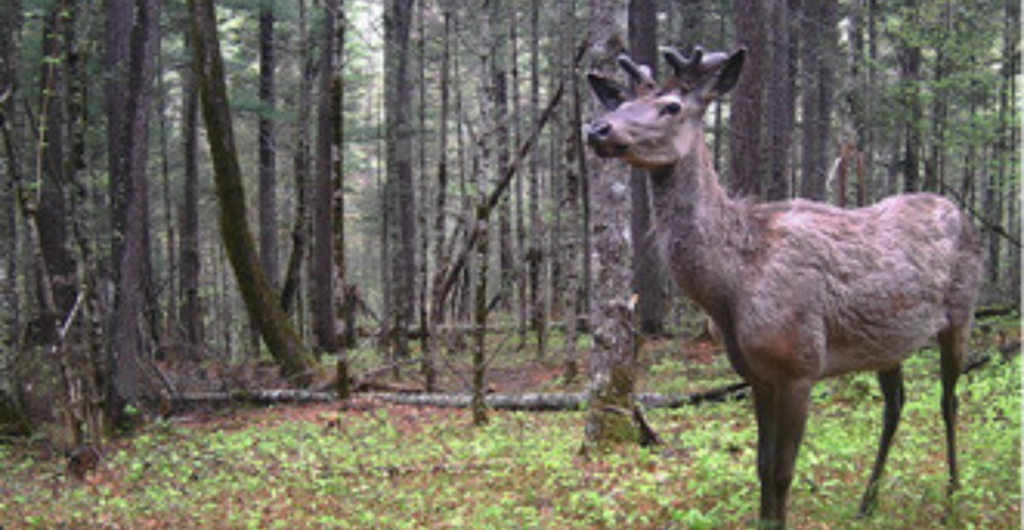
Abstract: Population density is a valuable metric used to manage wildlife populations. In the Russian Far East, managers use the FormozovMalyushev-Pereleshin (FMP) snow tracking method to estimate densities of ungulates...
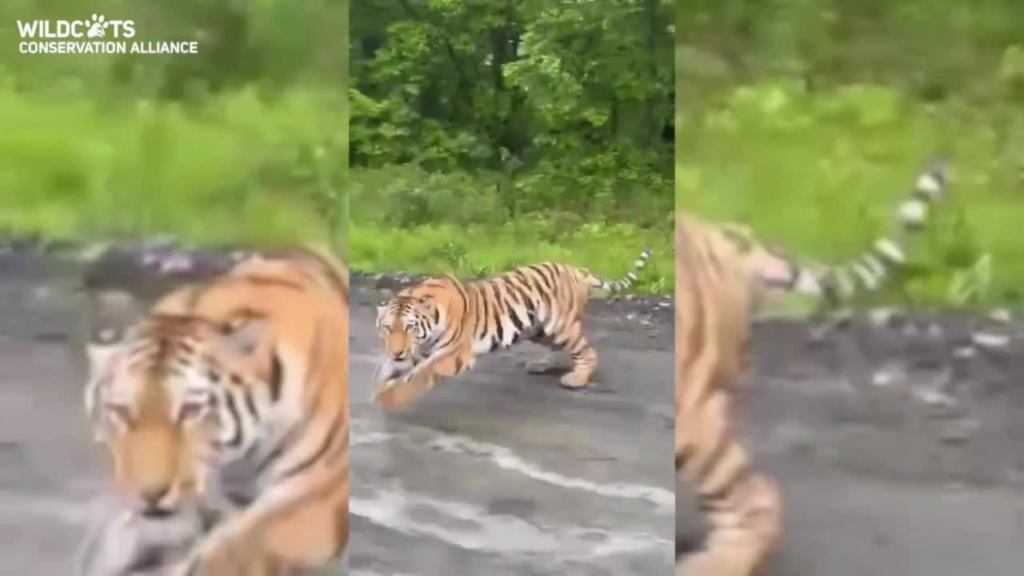
This footage captures a wild Siberian tiger in Changbaishan Biosphere Reserve, in the southeastern part of Jilin Province, China, on 3 December 2024. The discovery is proof that wild Siberian...
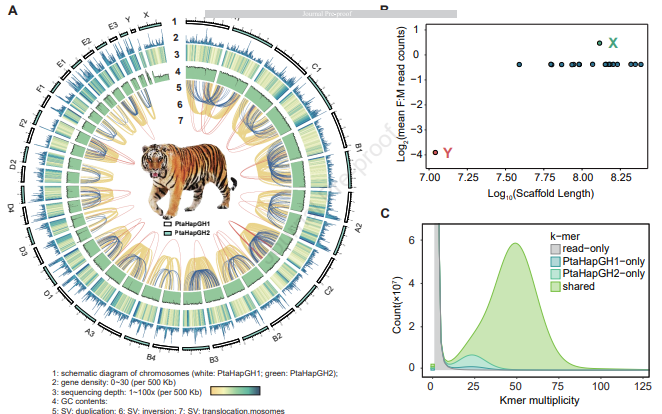
Abstract: Inbreeding increases genome homozygosity within populations, which can exacerbate inbreeding depression by exposing homozygous deleterious alleles that are responsible for declines in fitness traits. In small populations, genetic purging...
In early August 2024, Indonesia introduced transformative changes to its conservation laws, signalling a bold step forward in the battle against illegal wildlife trade (IWT). The new Law No. 32/2024...
Since September we've had a flurry of donations from zoos for conservation projects funded through WildCats Conservation Alliance. We are delighted that amongst them, Greenville Zoo in South Carolina has...
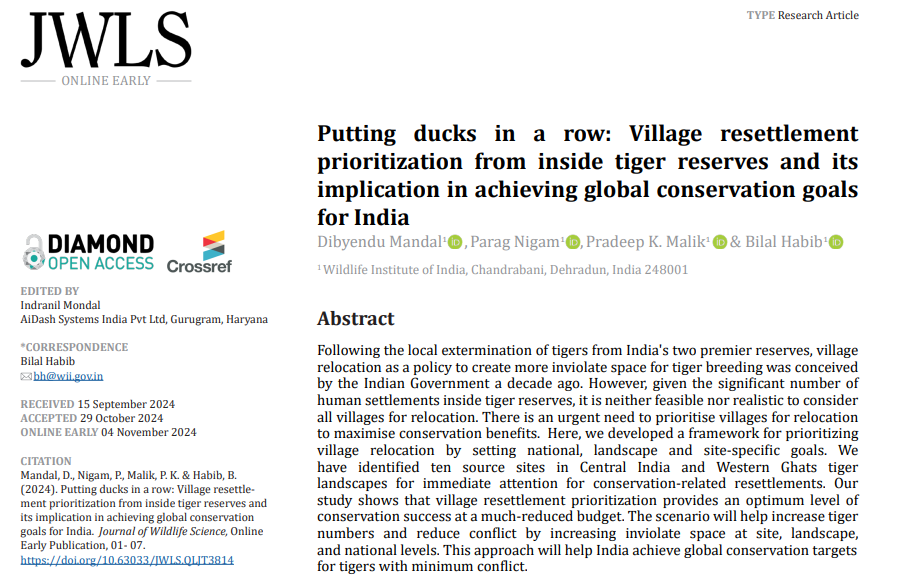
Abstract: Following the local extermination of tigers from India's two premier reserves, village relocation as a policy to create more inviolate space for tiger breeding was conceived by the Indian...
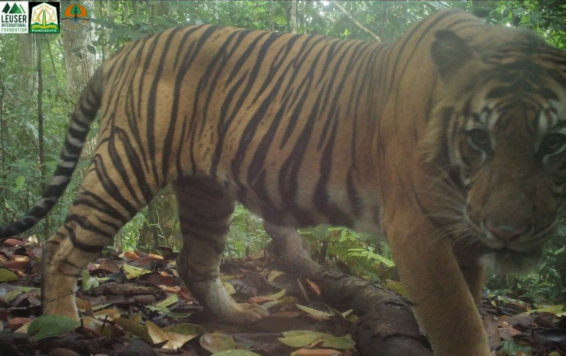
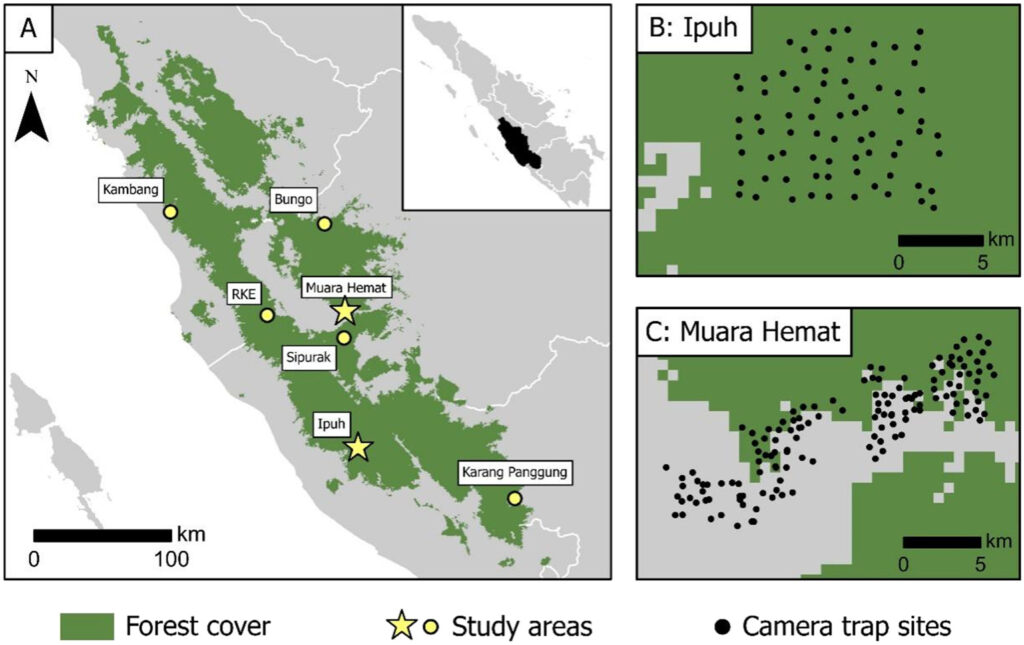
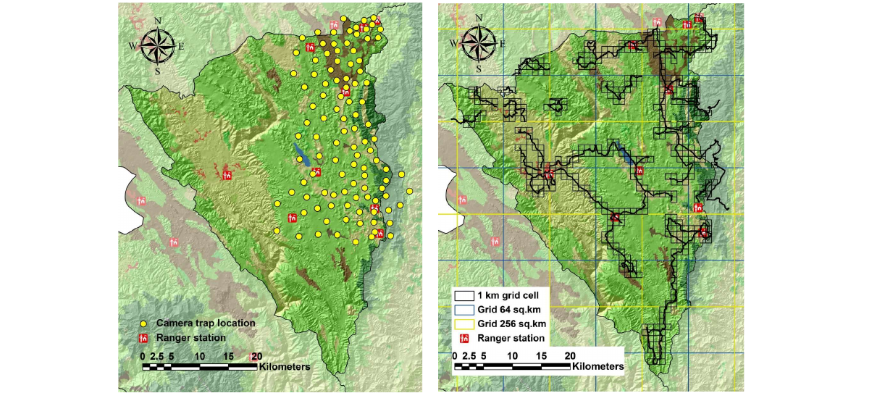
Abstract: Conservation of threatened species is dependent on consistent population monitoring. We present the first status assessment of critically endangered Sumatran tigers (Panthera tigris sumatrae) and their prey in the...
Abstract: Managing protected areas (PAs) requires measurable indicators to assess effectiveness. The status of populations and guilds of multiple species are potential indicators that should be useful in biodiversity-rich tropical...
Imagine walking through a field at dusk and spotting a flash of orange and black among the trees—a Sumatran tiger. This has become a more familiar reality for residents near...
As Halloween approaches and we embrace the season of spooks and scares, it's worth turning our thoughts to some of the most haunting losses our planet has faced—the tiger subspecies...
As Halloween draws near, thoughts often turn to ghosts and skeletons, yet some of the most haunting losses are the tiger subspecies that once roamed our planet, now tragically extinct....
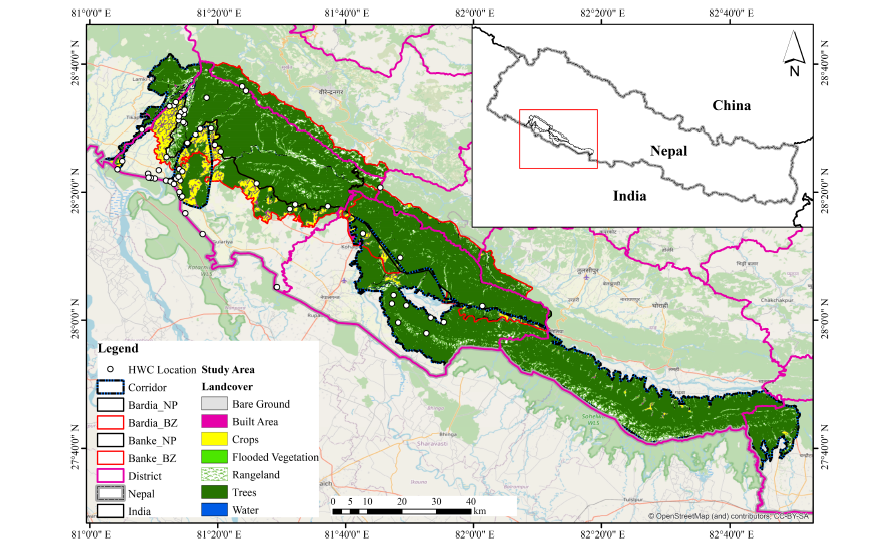
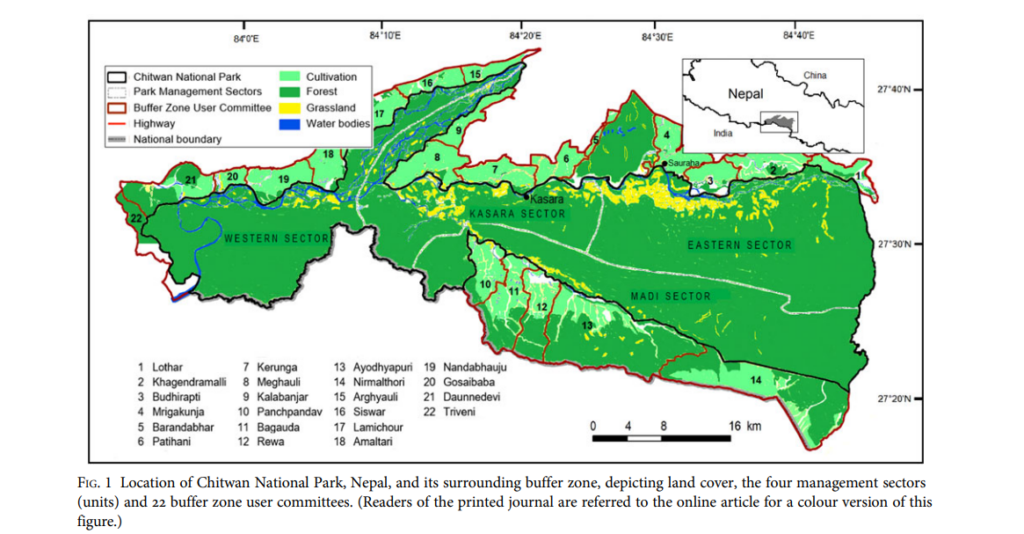
Abstract: Human fatalities and injury from wildlife attacks often result in a negative attitude toward conservation. This research was undertaken to investigate the patterns and conflict-causing factors of human killing...
Abstract: Examining the distribution patterns of sympatric large carnivores provides critical insights into the roles of prey availability and human disturbances in shaping the landscape use of these key predators....
Abstract: Human wildlife gap has shrunk due to urbanization and agricultural expansion. Domestic animals and wild mammals are pushed closer together, enabling disease transmission between the two groups. Recent discovery...
Abstract: The identification and implementation of conflict reduction measures are necessary to reduce predator attacks on people and livestock and to minimize human encroachment into predator habitats. We identified potential...
Human-tiger conflict in Russia’s Far East has persisted since the 19th century, with modern issues driven by habitat loss and urbanisation. Amur tigers are now frequently sighted near roads, attacking...