An umbrella species like the tiger plays a pivotal role in protecting entire ecosystems, as its conservation indirectly safeguards numerous other species within the same habitat. A recent study highlights...
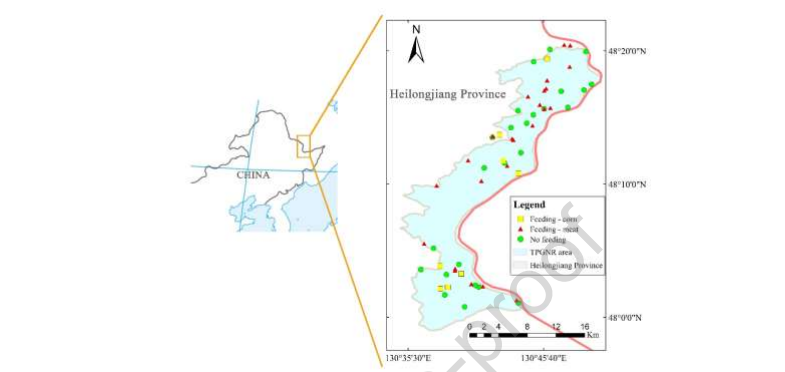
Abstract: After hunting, predators tend to leave a large amount of carrion behind. It is widely reported that this resource is commonly used by various species in the ecosystem and...
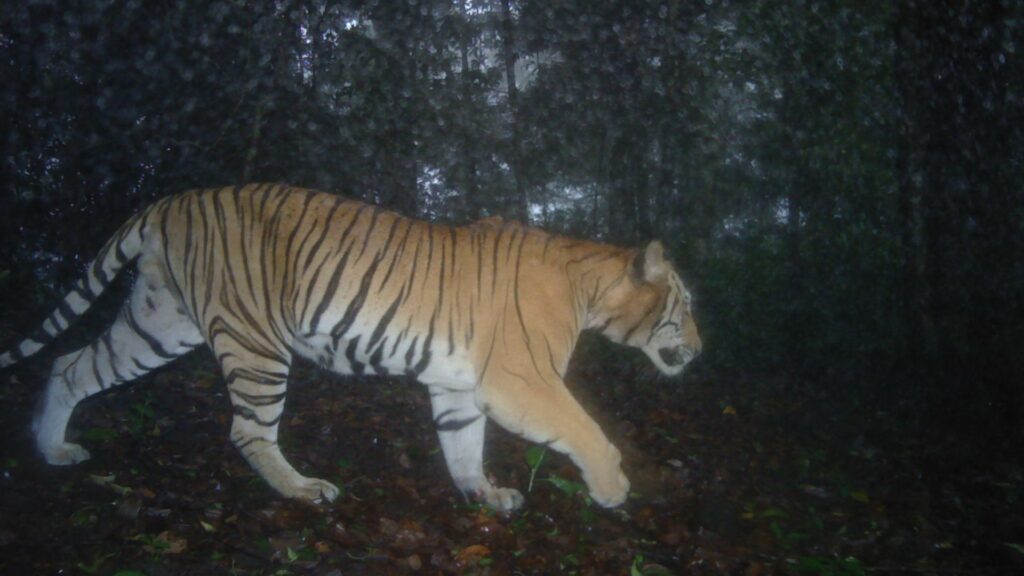
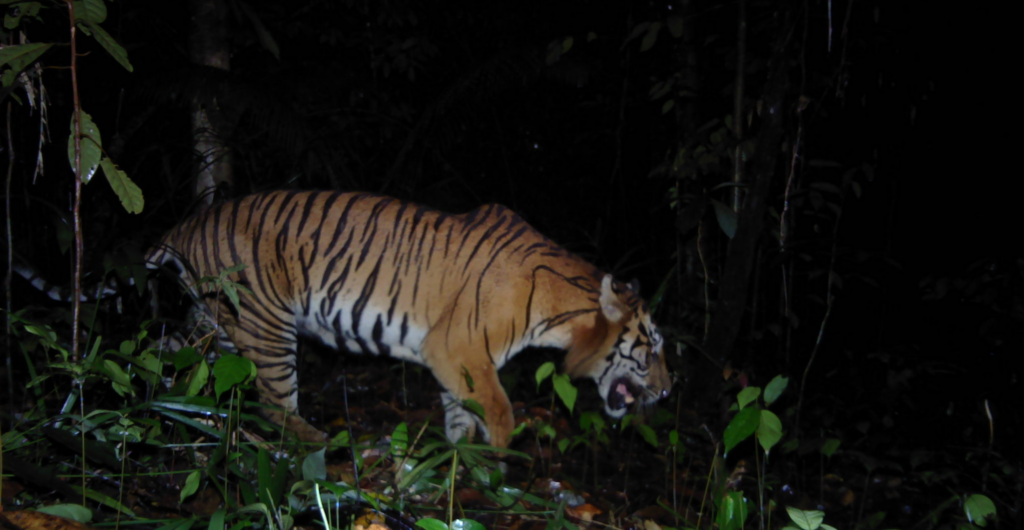
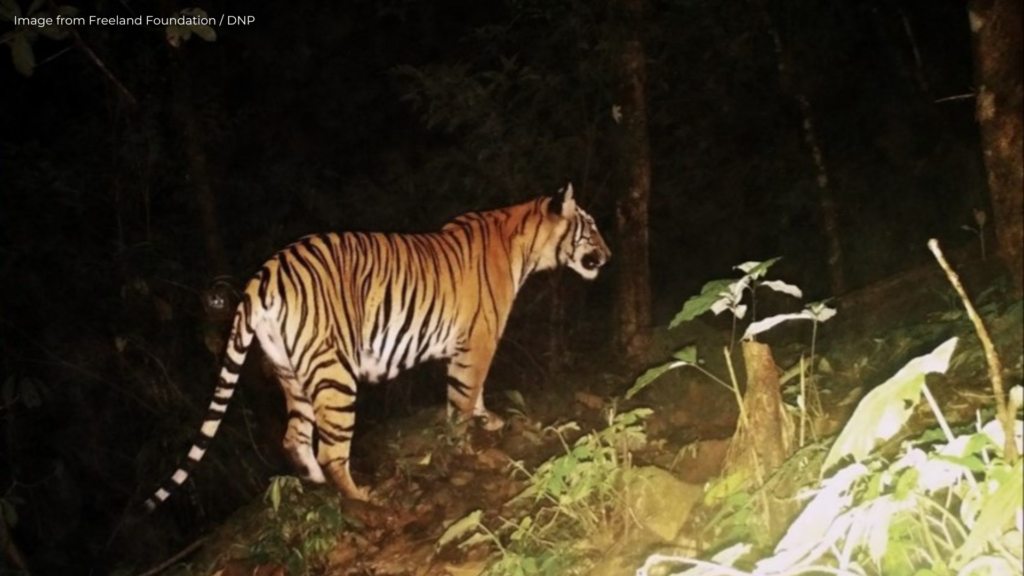
The latest wild tiger population estimate in Thailand, released by the Royal Thai Government, is between 179 and 223 individuals as of 2024. This is approximately a 21% increase from...
All WildCats Conservation Alliance projects are subject to rigorous scrutiny to ensure they are having maximum conservation impact. We have produced a document that illustrates how our projects succeeded in...
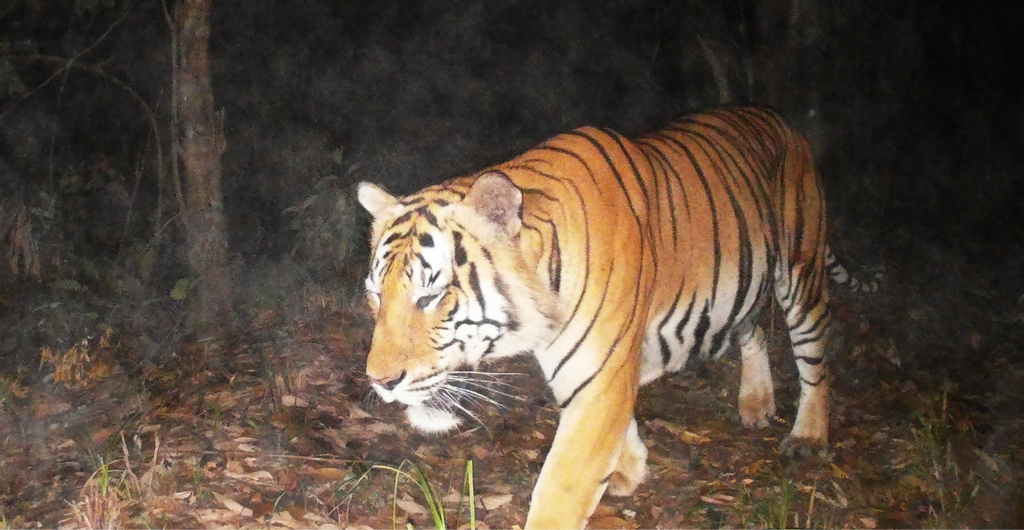
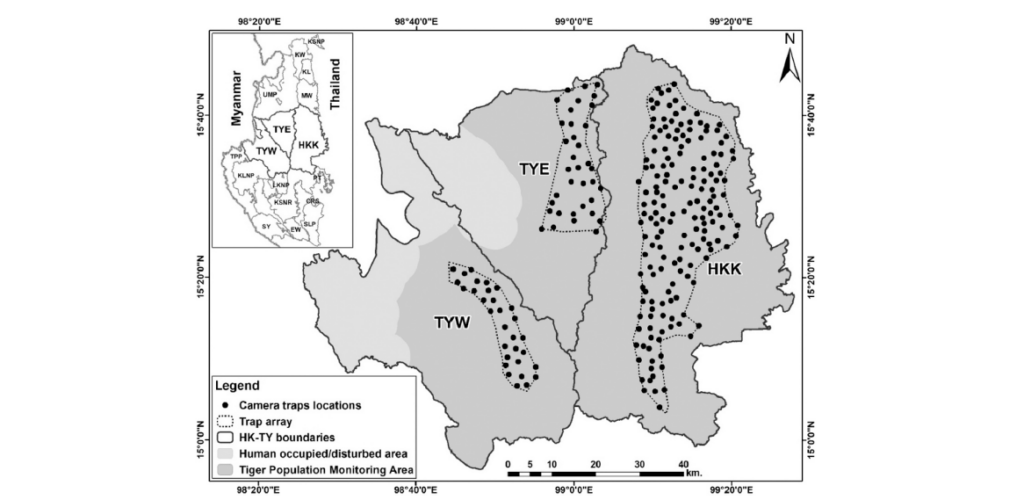
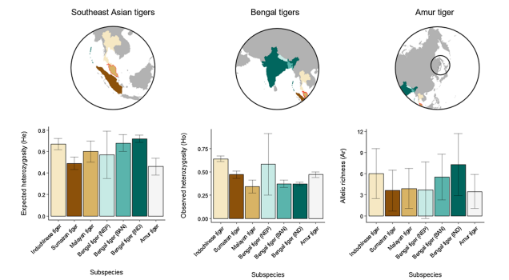
Abstract: Tigers and other large predatory carnivores have suffered population extirpations and range contractions. This is particularly true for tiger populations in southeastern Asia, which harbours one-third of their remaining...
World Ranger Day is celebrated globally on July 31st to honour and celebrate the invaluable work rangers do to protect our planet's natural treasures and cultural heritage. These dedicated individuals...
The Kerinci Seblat National Park (KSNP) in Sumatra, spanning 1.386 million hectares, is a crucial sanctuary for 128 Sumatran tigers, making it the largest single population of Sunda island tigers...
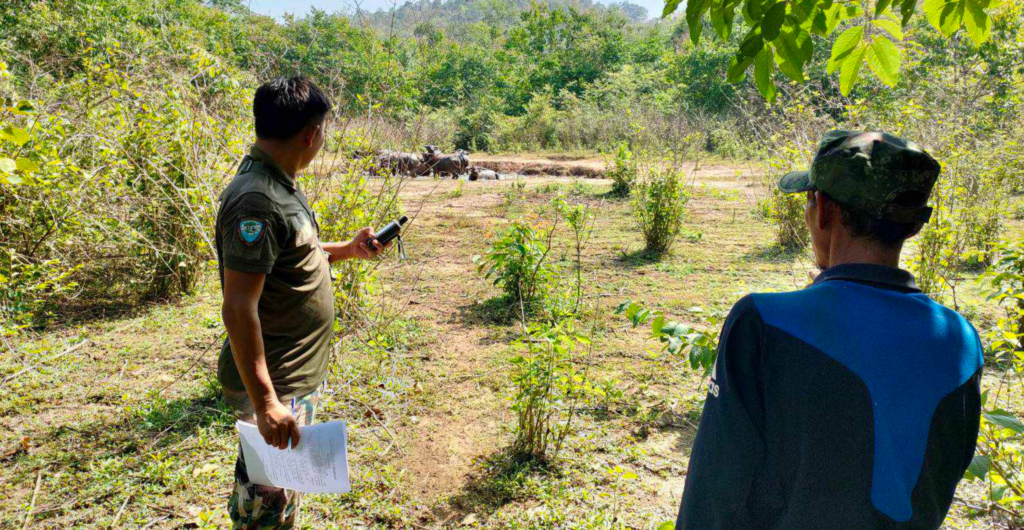
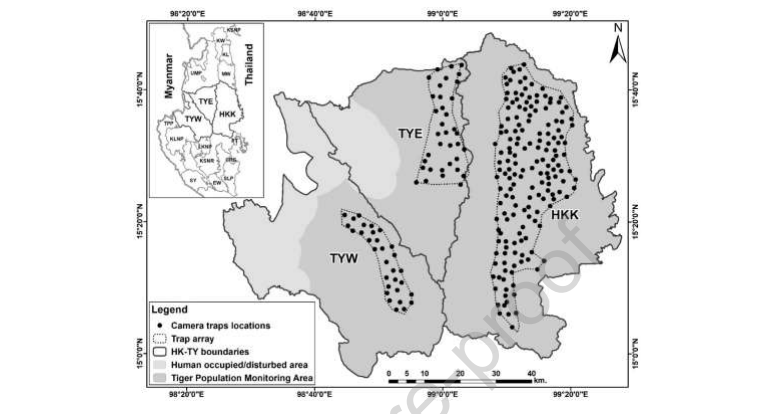
Thailand's Khao Laem National Park, part of the Western Forest Complex (WEFCOM), is a crucial habitat for the endangered Indochinese tiger, with fewer than 250 mature individuals remaining. Since 2016,...
Abstract: Protected area rangers are planetary health care workers and are at the frontline of the protection of wildlife and wild places. Ensuring that there are sufficient rangers in protected...
Abstract: Human-wildlife conflict has become a significant challenge for conservationists, particularly in areas where endangered species, such as large carnivores, are recovering. If we fail to keep a balance between...
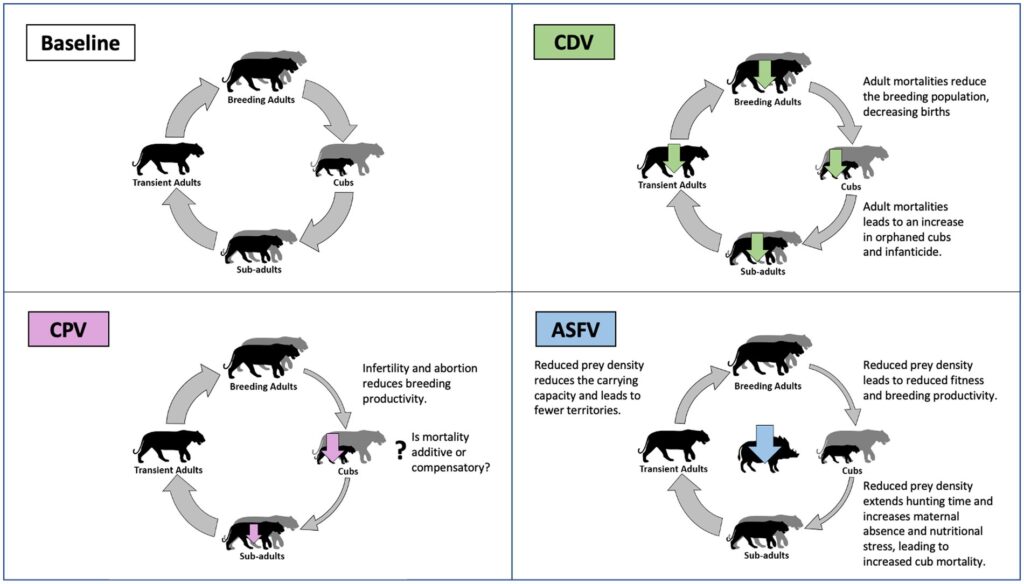
Abstract: The contraction of the global tiger population over the last 100 years into small, often isolated subpopulations has made them increasingly vulnerable to the impact of disease. Despite this, the...
Abstract: Tigers are one of the most recognized and charismatic predators on earth, yet their habitats have declined, their numbers are low, and substantial threats to their survival persist. Although...
In the span of just one week, camera traps have witnessed two translocated tigresses in Rajaji Tiger Reserve give birth to cubs, marking a significant milestone in conservation efforts. The...
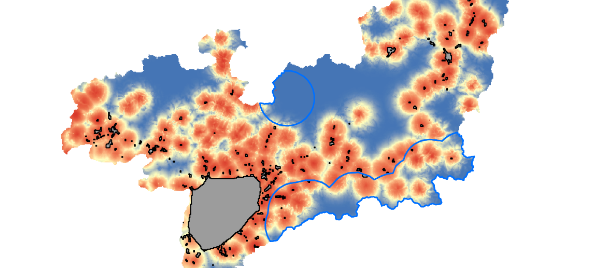
Abstract: Southeast Asia experiences some of the highest deforestation in the world. Loss of tropical forest typically leads to widespread habitat fragmentation, with detrimental effects on dispersal ability and gene...
Abstract: Tigers and other large predatory carnivores have suffered population extirpations and range contractions. This is particularly true for tiger populations in southeastern Asia, which harbours one-third of their remaining...
Since 2020, our implementing partners, Lingkar Inisiatif, have targeted illegal forest hunting using a religious approach. Fatwa MUI No. 04/2012, issued by the Indonesian Ulema Council, prohibits the hunting and...
In Northeast China's dense forests, a critical project is underway to protect the Amur tiger and leopard, which face significant threats from poaching in the Hunchun Nature Reserve and Northeast...
Abstract: Knowledge of animal movement patterns is invaluable to understanding the spread of diseases among wildlife populations. One example is the recent African swine fever (ASF) outbreak among wild boar...
The Hunchun Nature Reserve (HNR) is emerging as a critical source site for the future expansion of Amur tigers and leopards in Northeast China, thanks to the increasing productivity of...
Parsa National Park (PNP) in Nepal is home to an estimated 41 tigers. An ambitious project, carried out by The Zoological Society of London (ZSL) and funded by WildCats Conservation...
In a significant victory for wildlife conservation, a recent study reveals substantial progress in curbing the trade of big cat-derived products in South Korea. The researchers attribute this decline to...
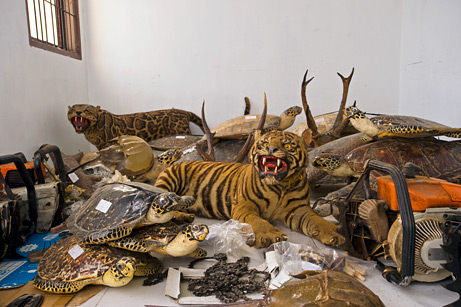
Abstract: Unsustainable trade in big cats affects all species in the genus, Panthera, and is one of the foremost threats to their conservation. To provide further insight into the impact...