
Site Information

In Northeast China's dense forests, a critical project is underway to protect the Amur tiger and leopard, which face significant threats from poaching in the Hunchun Nature Reserve and Northeast...
Read More
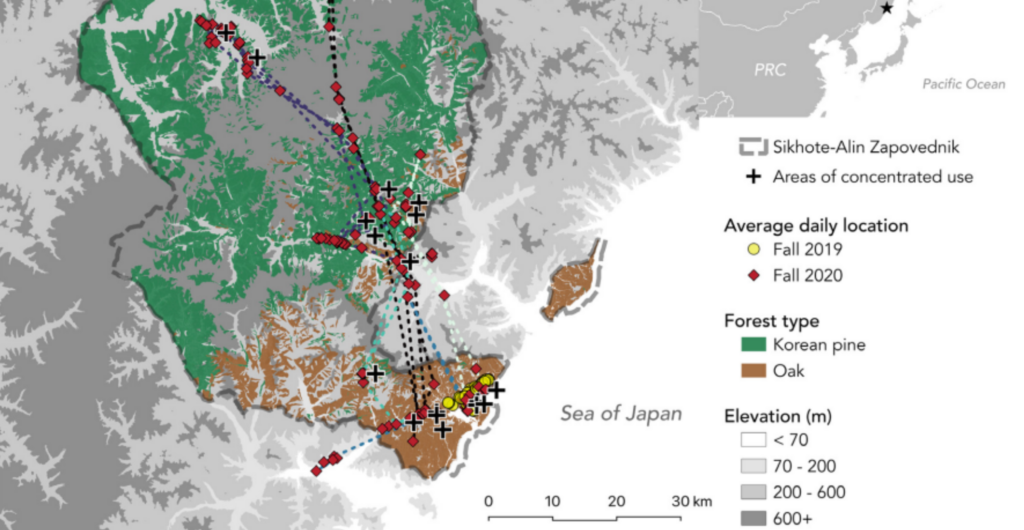
Abstract: Knowledge of animal movement patterns is invaluable to understanding the spread of diseases among wildlife populations. One example is the recent African swine fever (ASF) outbreak among wild boar...
Read More
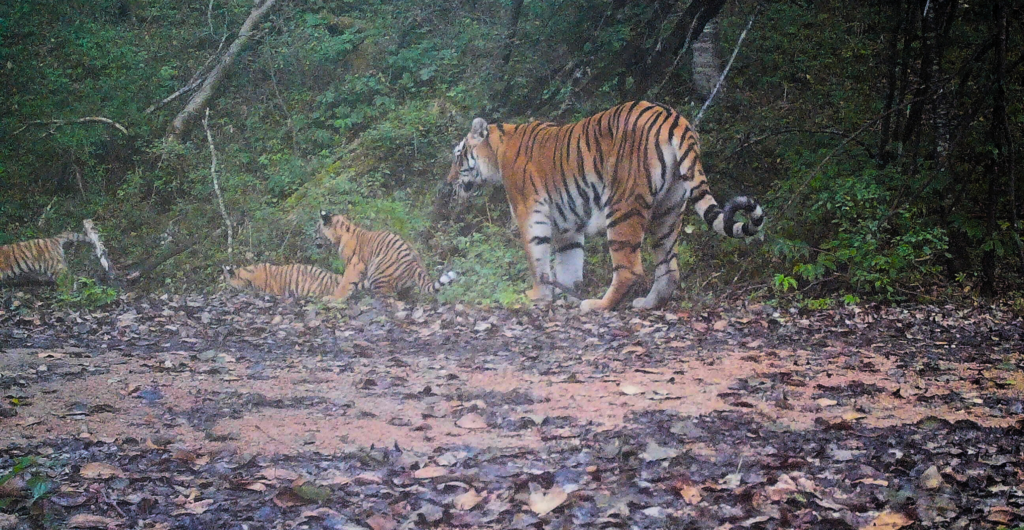
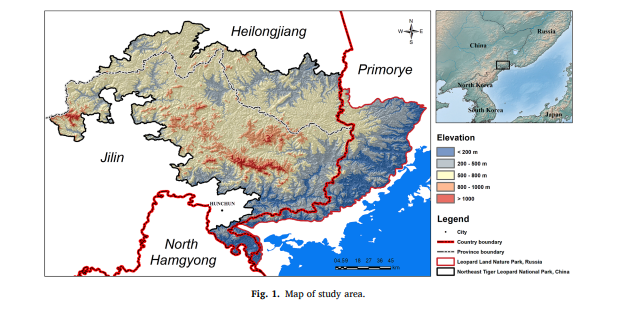
The Hunchun Nature Reserve (HNR) is emerging as a critical source site for the future expansion of Amur tigers and leopards in Northeast China, thanks to the increasing productivity of...
Read More
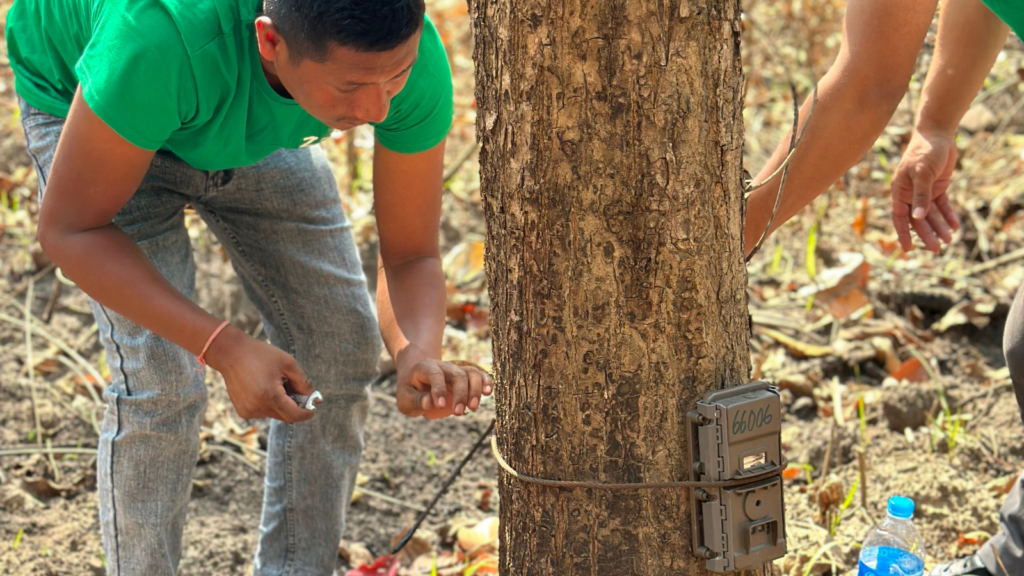
Parsa National Park (PNP) in Nepal is home to an estimated 41 tigers. An ambitious project, carried out by The Zoological Society of London (ZSL) and funded by WildCats Conservation...
Read More

In a significant victory for wildlife conservation, a recent study reveals substantial progress in curbing the trade of big cat-derived products in South Korea. The researchers attribute this decline to...
Read More
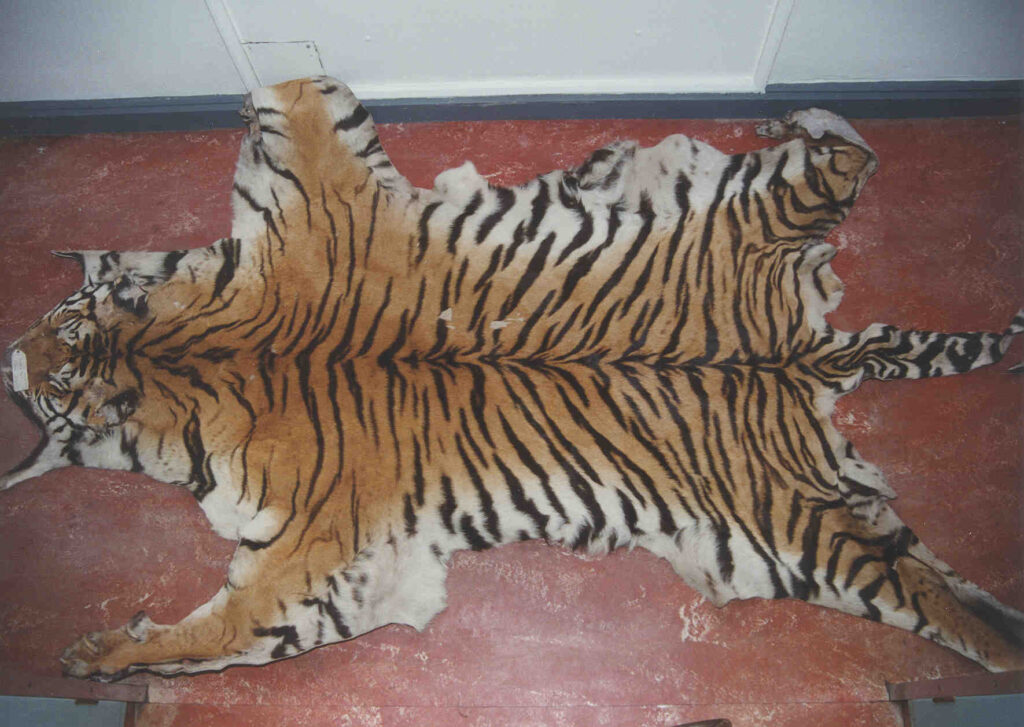
Abstract: Unsustainable trade in big cats affects all species in the genus, Panthera, and is one of the foremost threats to their conservation. To provide further insight into the impact...
Read More

Abstract: Enhancing habitat connectivity is a key strategy for conserving endangered species in anthropogenic landscapes. However, connectivity planning often overlooks the crucial energetic costs to animals of traversing complex terrains....
Read More
ZSL Nepal Final Report 2023
https://conservewildcats.org/wp-content/uploads/sites/5/2024/05/ZSLNepalFinalReport2023v2.pdfWCS China | Final report 2023
https://conservewildcats.org/wp-content/uploads/sites/5/2024/04/WCSChinaFinalreportCommunityConservation2023.pdfWCS China | Final report 2023
https://conservewildcats.org/wp-content/uploads/sites/5/2024/04/WCSChinaMonitoringFinaReport2024.pdf
Abstract: Wildlife conservation and management in human-dominated landscapes are major concerns for wildlife ecologists and managers. The dynamics of human disturbance, combined with seasonal limitations in the availability of nutritious...
Read More
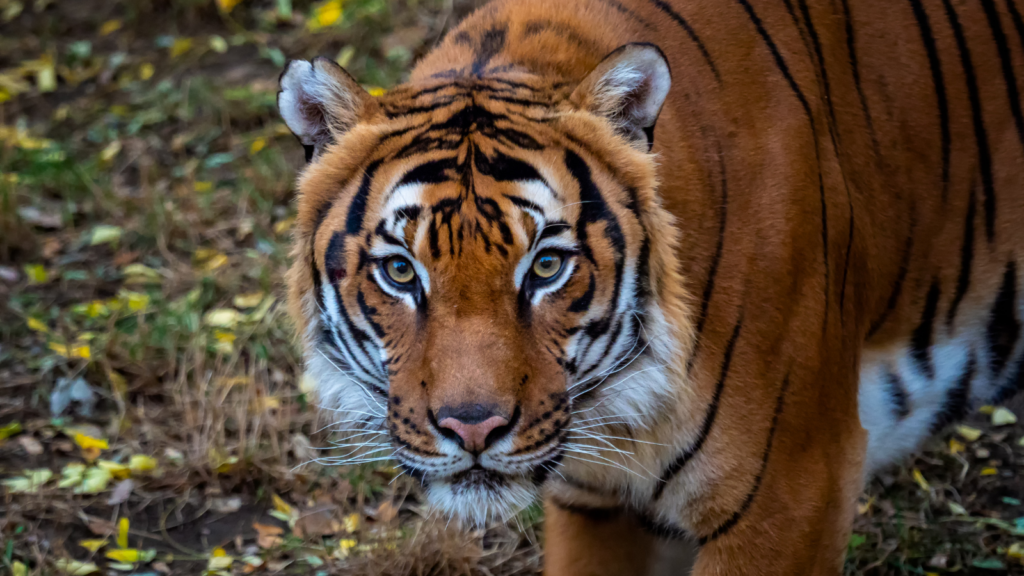
Abstract: Southeast Asia experiences some of the highest deforestation in the world. Loss of tropical forest typically leads to widespread habitat fragmentation, with detrimental effects on dispersal ability and gene...
Read More
Abstract: The effects of grazing on wildlife have received considerable attention. Depending on factors such as its intensity and duration, grazing can impact higher-level species along the food chain through...
Read More
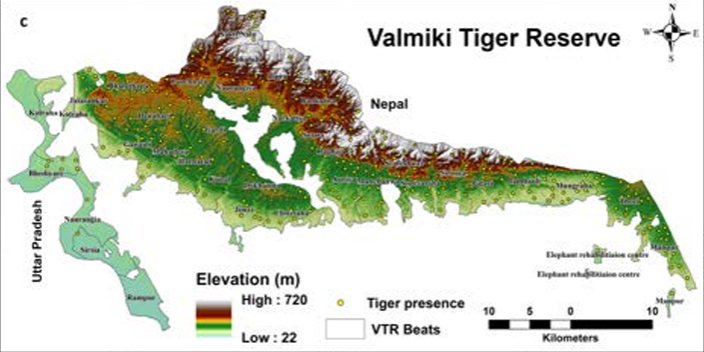
Abstract: Tigers have seen significant population losses due to the degradation and fragmentation of their habitat ranges worldwide. Thus, habitat suitability assessment of such predators is essential for restoring their...
Read More
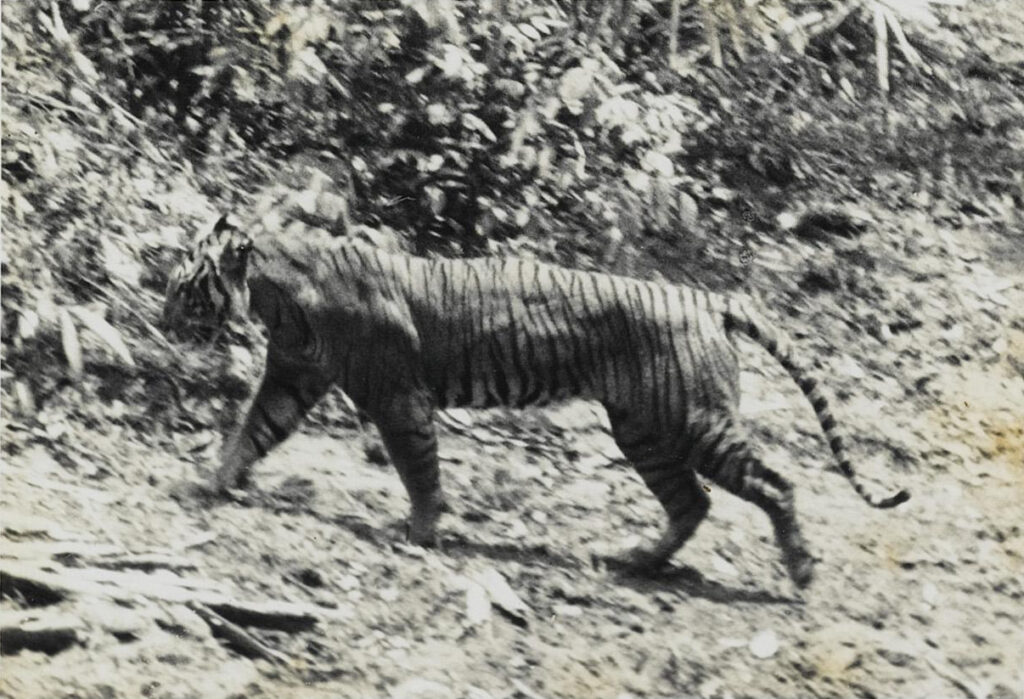
Abstract: The Javan tiger Panthera tigris sondaica and the Bali tiger P. tigris balica were categorized as Extinct on the IUCN Red List in 2008 and 2013, respectively, leaving only...
Read More
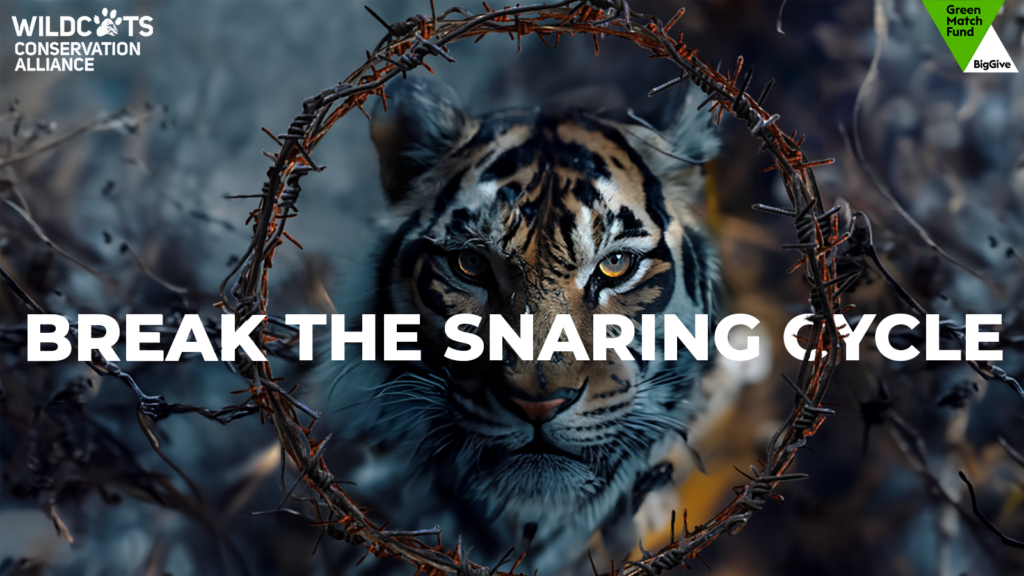
Snares, often targeting prey species like deer and wild boar, are indiscriminate traps causing immense suffering. Heavy-duty snares also target big cats for the illegal wildlife trade, impacting their survival...
Read More
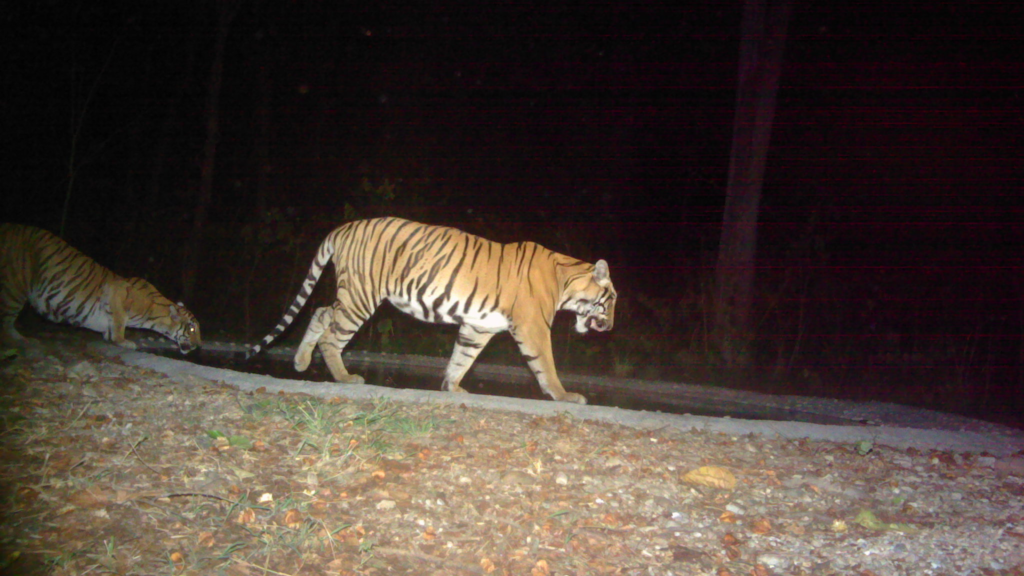
Nepal's tiger population has nearly tripled since 2010, reaching 355, with Parsa National Park hosting 41 of these majestic creatures. This World Water Day we look at how artificial waterholes...
Read More
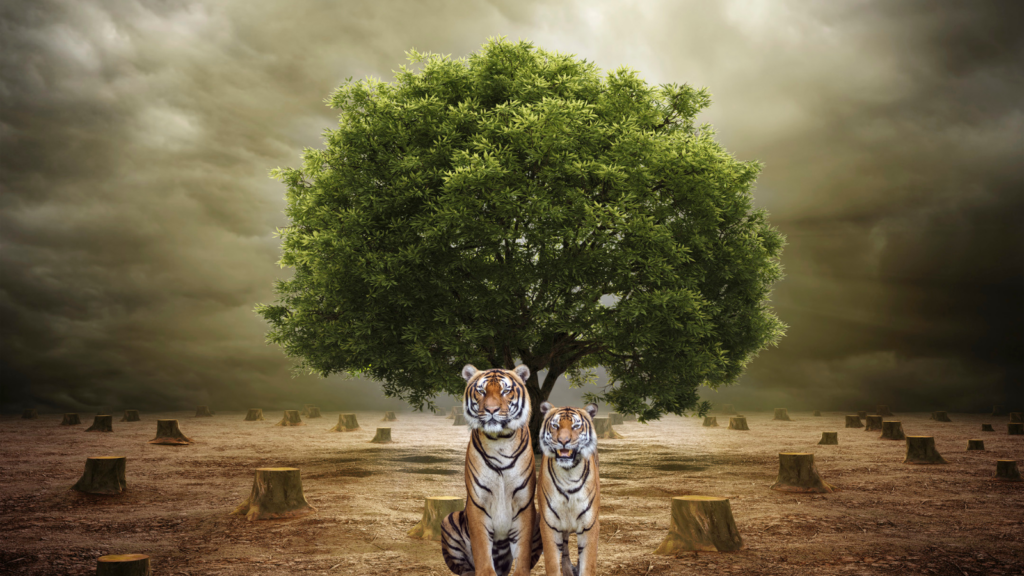
In homage to International Forests Day and World Poetry Day, we present a contemporary reimagining of William Blake's timeless poem, "Tyger Tyger." This adaptation draws on the concept of creationism...
Read More

It's only March and 2024 has got off to a roaring start! 19 progressive zoos have already contributed over £121,000 to our funds for wild tiger and Amur leopard conservation...
Read More

The theme for World Wildlife Day 2024 is exploring digital innovation and highlighting how digital conservation technologies and other services can drive wildlife conservation, sustainable and legal wildlife trade, and...
Read More
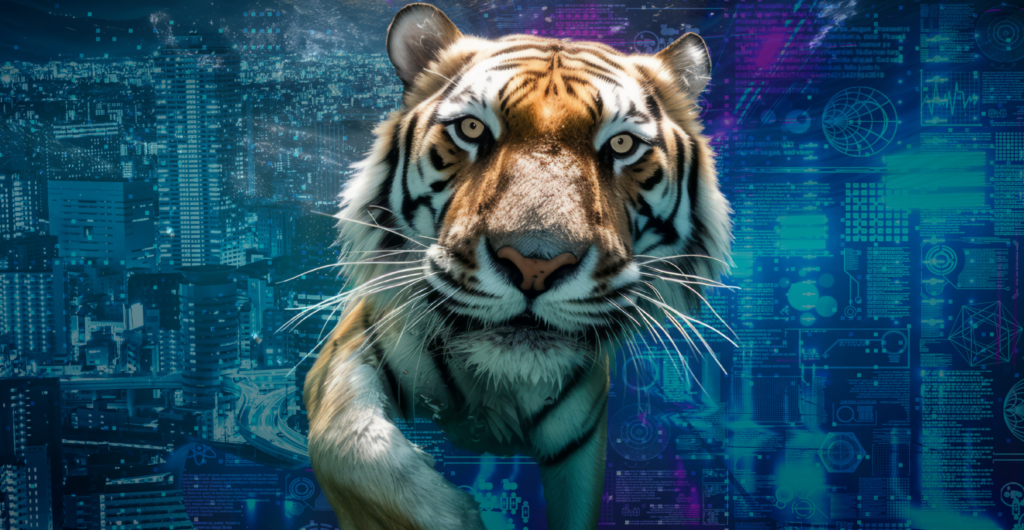
Artificial Intelligence (AI) is playing a crucial role in the conservation of wildlife, ecosystems, and habitats, aiding scientists in their efforts to combat biodiversity loss. Through the analysis of vast...
Read More
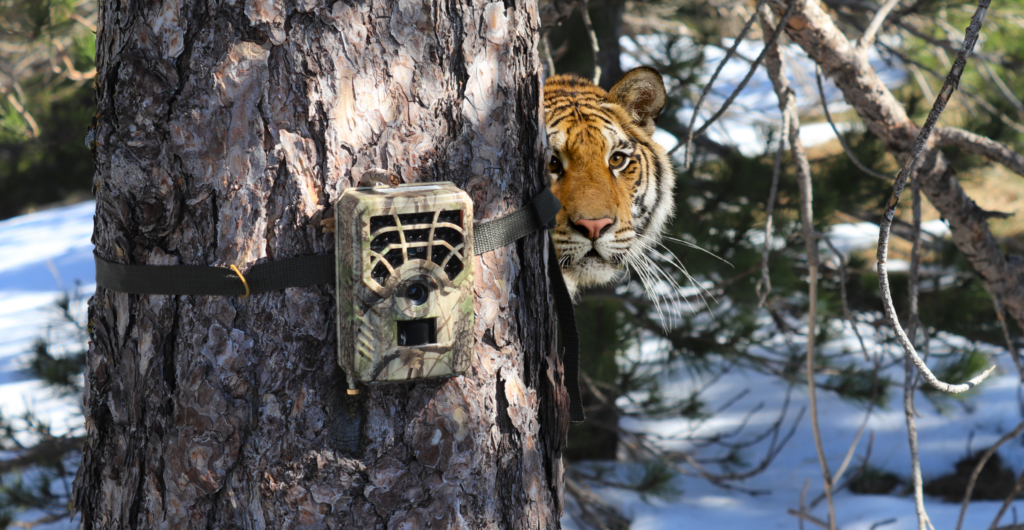
In the intricate web of conservation efforts, technology emerges as an ally, offering innovative solutions to safeguard our planet's majestic big cats. At WildCats Conservation Alliance, we are funding groundbreaking...
Read More
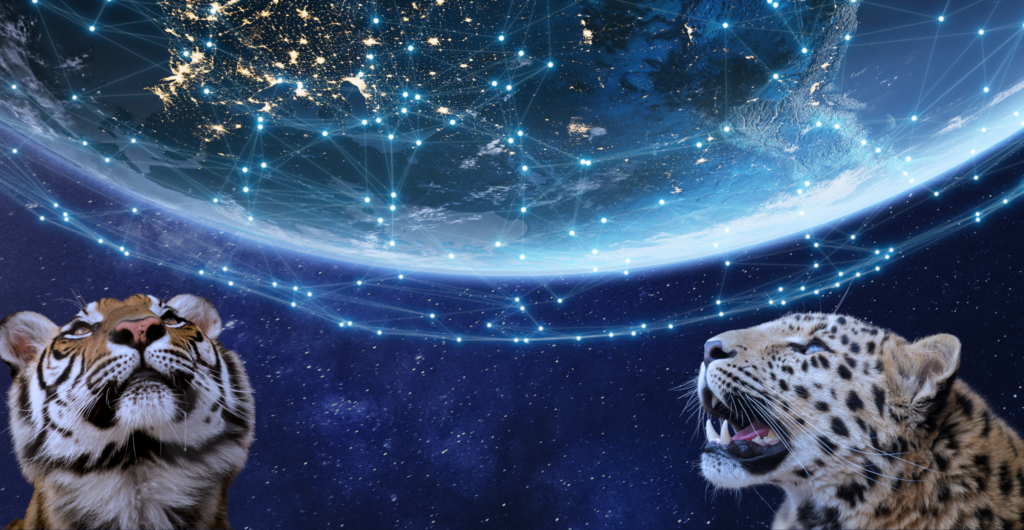
We are living in the age of digital transformation from which the Internet of Things (IoT) has emerged as a revolutionary force supported by Long Range, Low Powered Radio (LoRa)....
Read More
Dreamworld Wildlife Foundation (DWF) partners with the Zoological Society of London (ZSL) to oversee WildCats Conservation Alliance and whilst ZSL provides the legal entity in which WildCats operates and all...
Read More
Domestic and stray dogs have long proved problematic to people, livestock, and wildlife in landscapes inhabited by tigers and leopards Unneutered and unvaccinated dogs can carry diseases that could be...
Read More