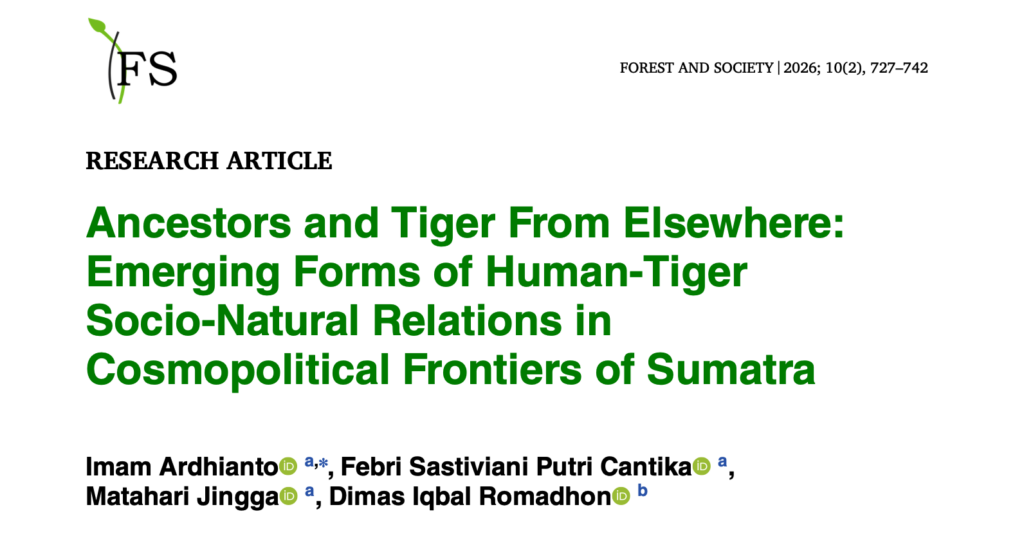
Abstract: How are the moral relations between communities and the Sumatran tiger (Panthera tigris sumatrae) being reconfigured as forests fragment and land-use change accelerates across Sumatra’s conservation landscape? This article...
Abstract: Human-tiger conflict is widely assumed to intensify as tiger populations recover, posing a major challenge for the conservation of tigers across its range. Despite the influence of this assumption...
Abstract: Background: The Sumatran tiger (Panthera tigris) conservation meets the major constraint due to animal-human conflict and the presence of infectious diseases in West Sumatra. Ticks are important ectoparasites and...
Abstract: Human perceptions of wildlife are critical to shaping conservation outcomes, particularly in landscapes where people coexist with large carnivores. Religion, a deeply rooted sociocultural force, remains underexplored in the...
Abstract: To restore the Amur tiger (Panthera tigris altaica) population in the northwestern part of its range in Russia, where the species had not been recorded since the 1970s (Jewish...
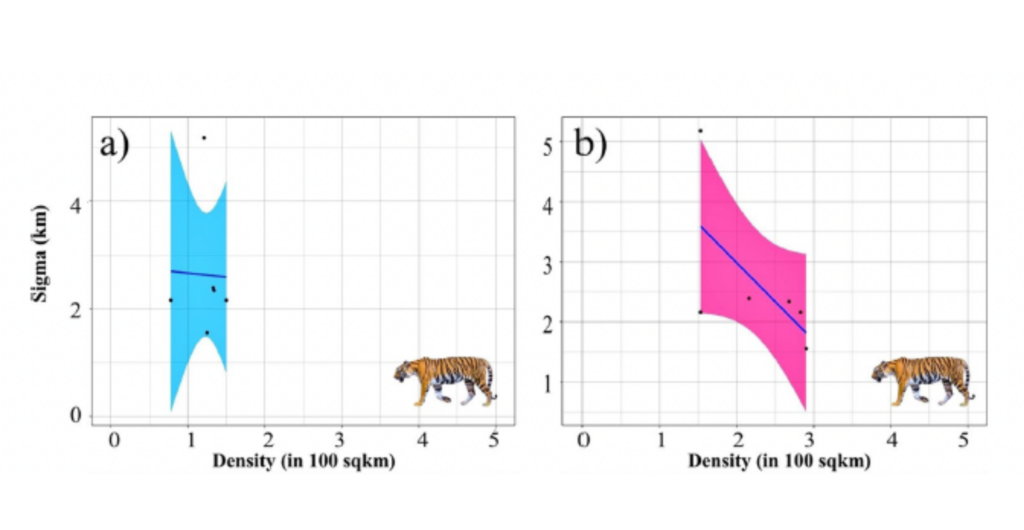
Abstract: Large carnivores shape ecosystem structure through trophic cascades and resource facilitation, yet multi year, multi-species density studies remain scarce limiting effective conservation management. This study aimed to address...
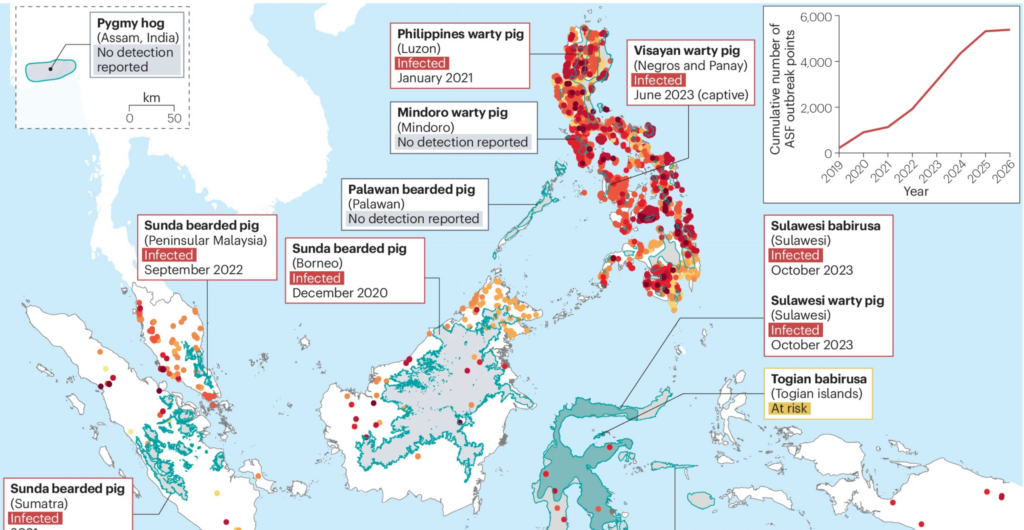
Abstract: Emerging infectious diseases are an increasingly important driver of biodiversity loss. African swine fever (ASF) exemplifies this threat. Since 2018, this highly virulent virus has spread rapidly across Asia,...
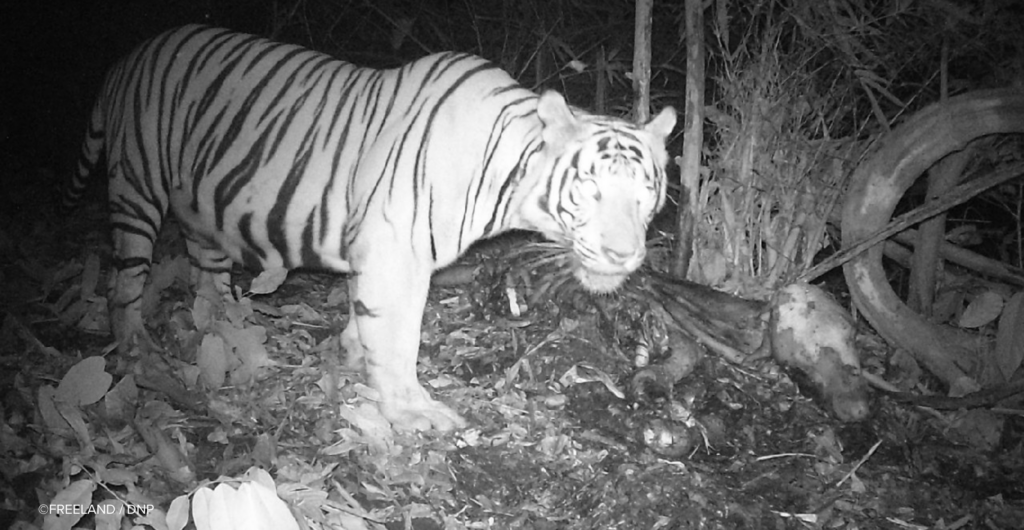
A blog by Wongsathit Intawong (Em) Wildlife Researcher for Freeland. Since 2019, WildCats has supported Freeland’s work in Thailands Khao Laem National Park, funding tiger monitoring, ranger training, and community...
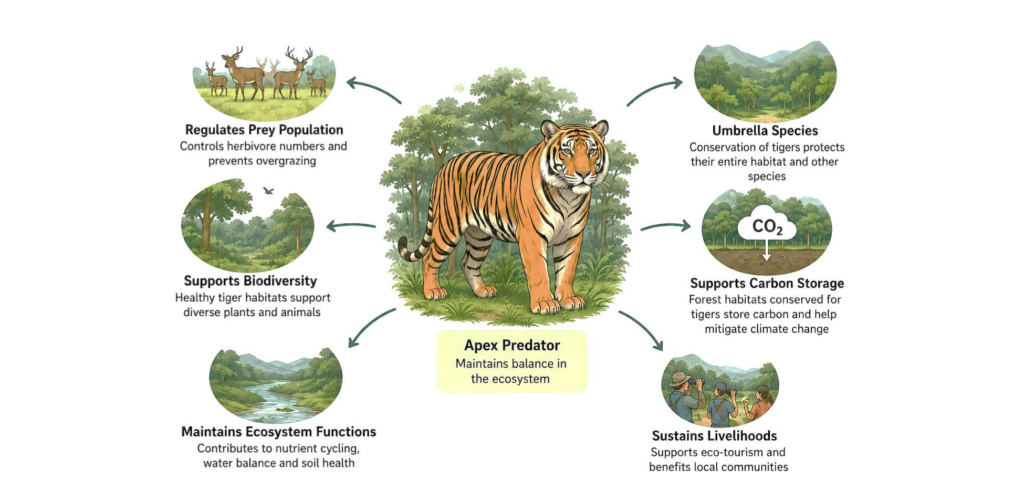
Abstract: The tiger (Panthera tigris) is an iconic apex predator and an important ecological indicator of forest ecosystem integrity. Its conservation has consequently become closely associated with the protection of...
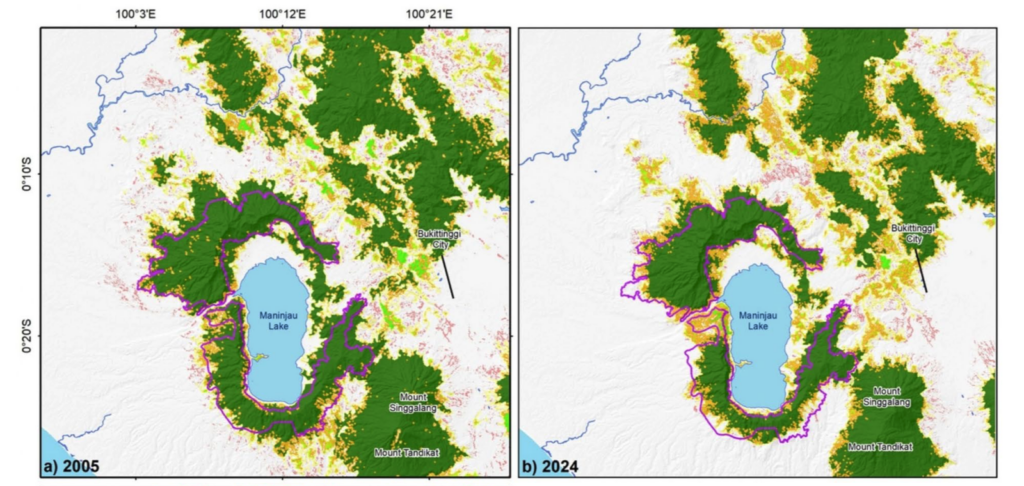
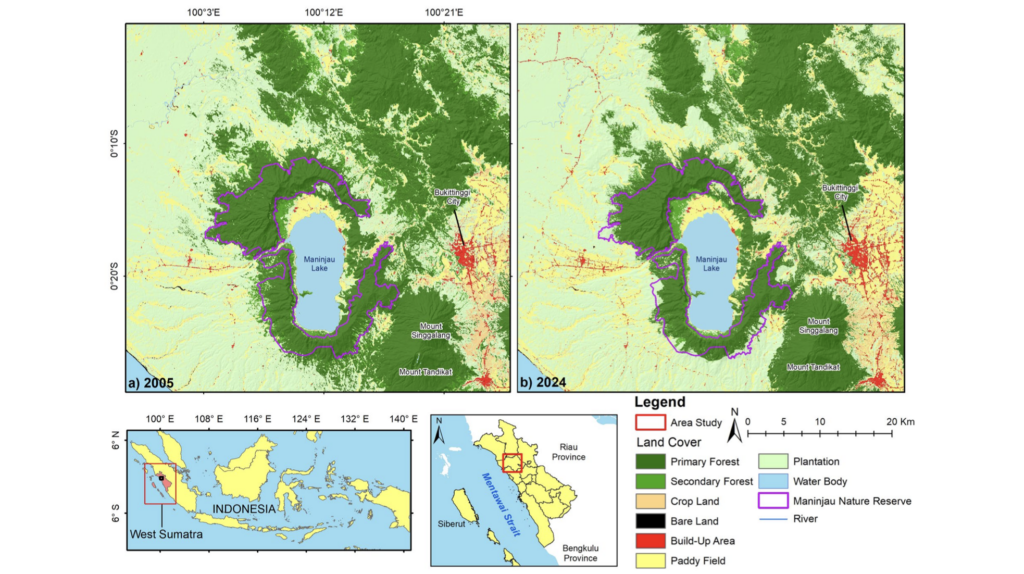
Abstract: Forest fragmentation caused by land use changes has been linked to human-wildlife conflict. However, a clear understanding of how landscape configuration influences conflict incidents remains limited. In Sumatra, studies...
Abstract: How are the moral relations between communities and the Sumatran tiger (Panthera tigris sumatrae) being reconfigured as forests fragment and land-use change accelerates across Sumatra’s conservation landscape? This article...
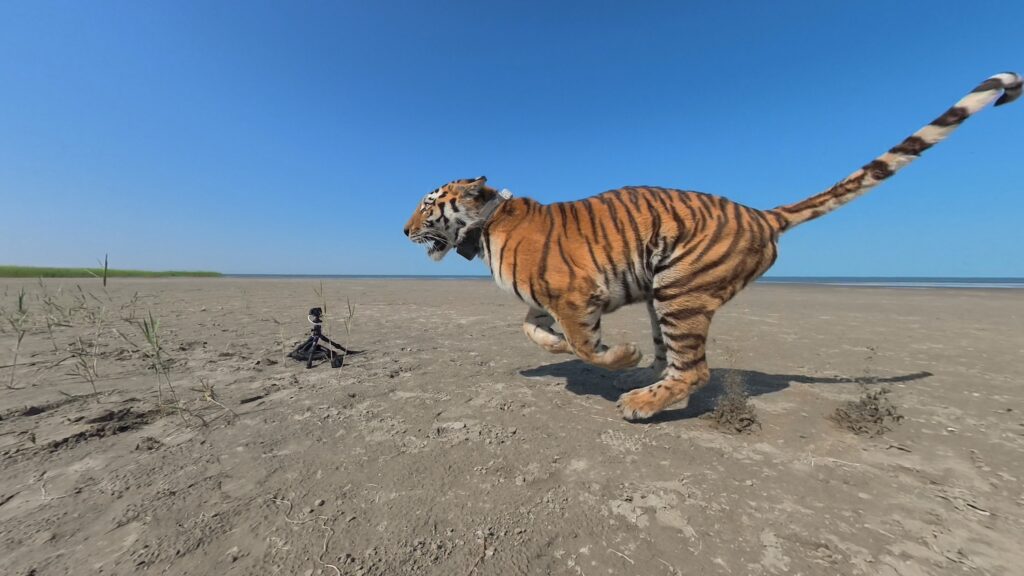
For the first time, a tiger has been released into the wild where it was once recorded as extinct as part of an effort to restore the species to its...
Nepal’s wild tiger population has risen to an estimated 429 animals, according to the country’s latest national tiger survey, continuing one of the most significant tiger recoveries of recent decades....
Abstract: Ex situ conservation breeding can play an important role in the conservation of rare and threatened species. To achieve this, coordinated conservation breeding programmes, organized regionally or globally, provide...
In early September 2025, local communities living along the southern fringe of Parsa National Park in Nepal began reporting tiger movement near human settlements. For the Divisional Forest Office (DFO)...
Freeland intern Katharina shares what it is like to support field conservation in Thailand, and how WildCats Conservation Alliance funding helps protect threatened wildlife, support rangers and strengthen monitoring in...
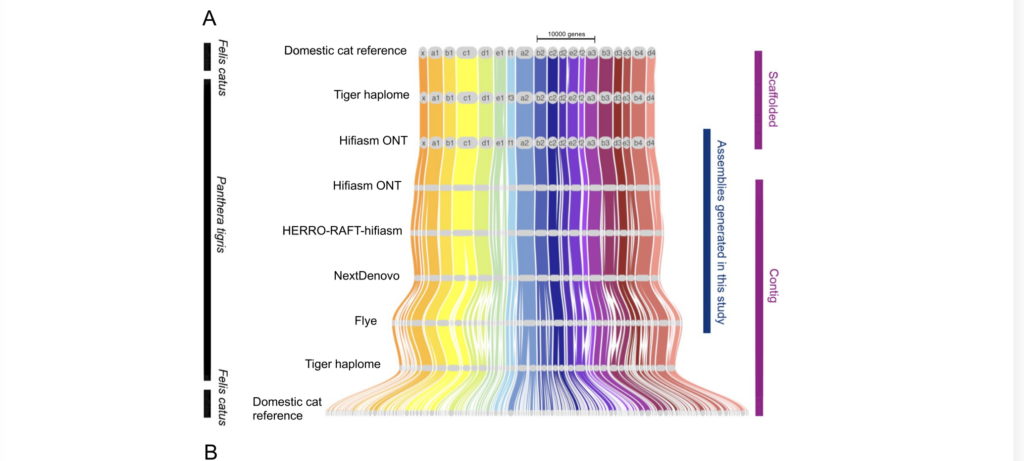
Abstract: Background: Chromosome-level de novo genome assemblies are vital for many aspects of biological research. Despite technological progress, achieving telomere-to-telomere assemblies remains challenging. Long-read data are critical for a contiguous...
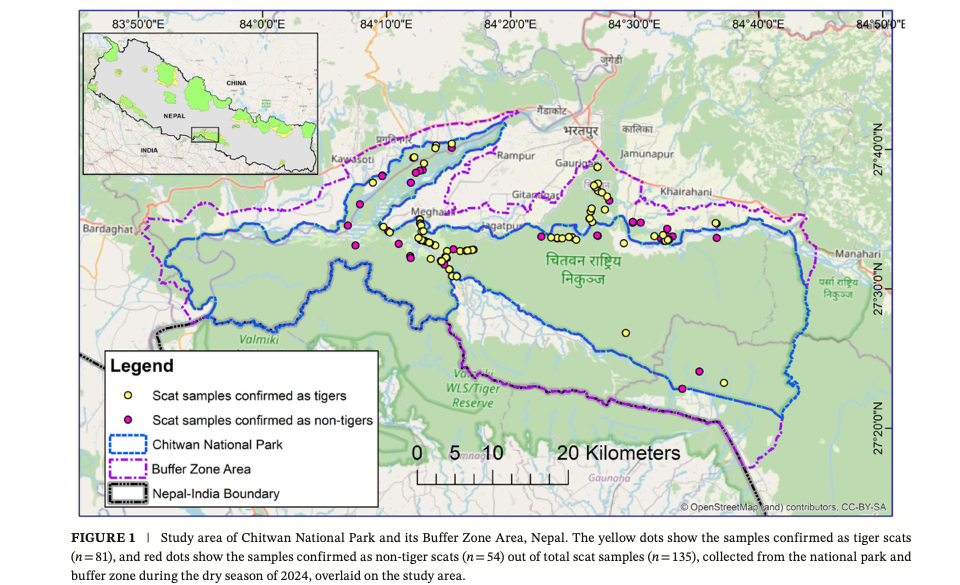
Abstract: Assessing the diet of apex predators such as tiger is important, as it provides key ecological information on prey availability and preferences. It helps to understand the effects of...
Abstract: Estimating prey species densities is critical for implementing effective tiger Panthera tigris recovery strategies. Several statistical models exist for density estimation of unmarked species from camera trap data, all...
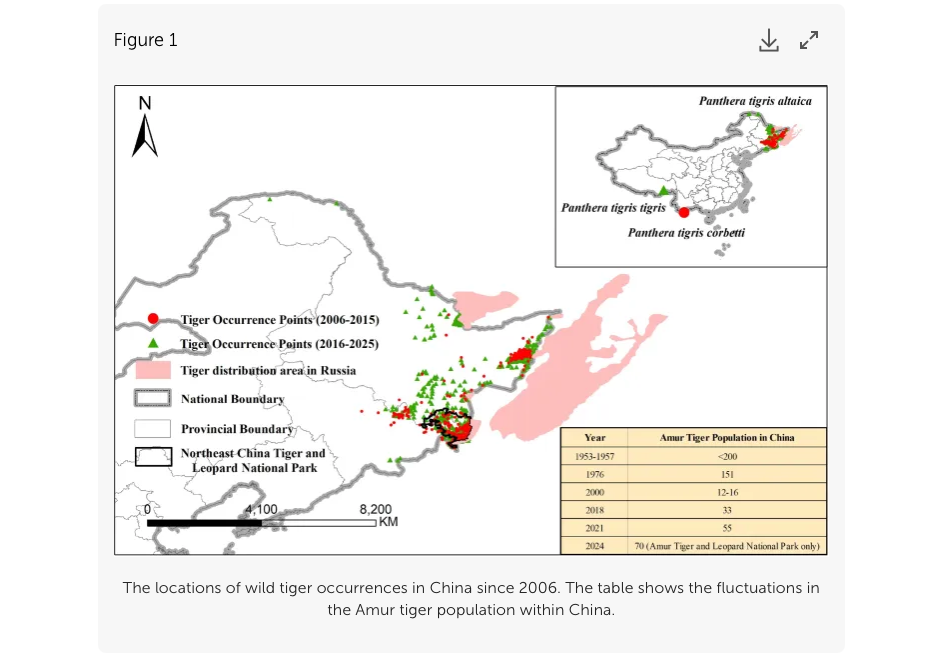
Abstract: China is effectively achieving the rapid recovery of the wild Amur tiger (Panthera tigris altaica) population and has a strong chance of reestablishing a sustainable population of over 300...
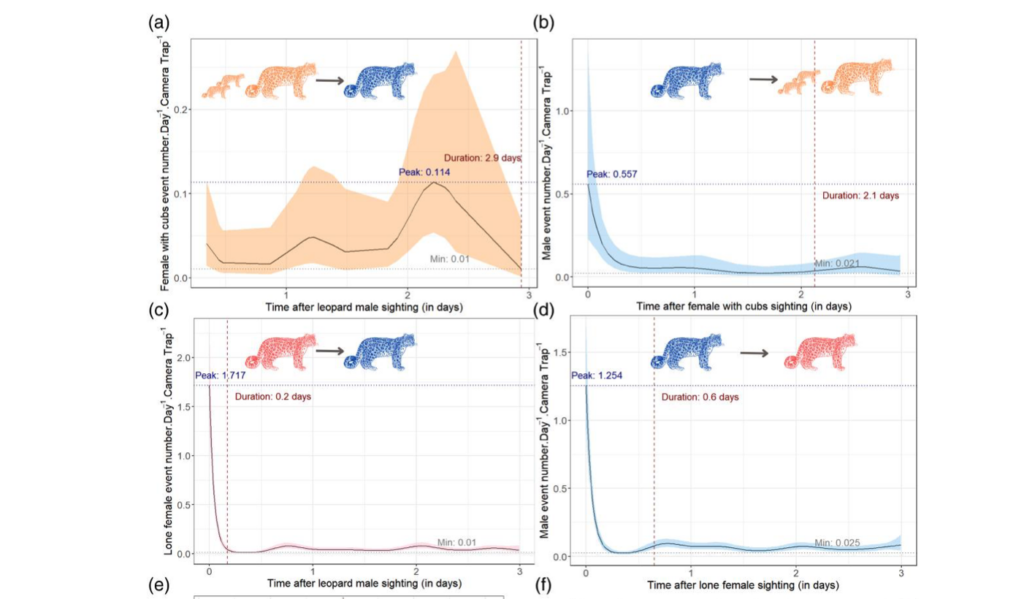
Abstract: Prey activity patterns are believed to be influenced by, among others, daily and seasonal weather conditions and predation risk. Similarly, predator activities may also be influenced by the same...
Abstract: Human–tiger conflict in plantation landscapes remains a critical safety and conservation issue because encounters between workers and tigers can endanger humans while increasing pressure on endangered tiger populations. This...
Abstract: Inbreeding leads to a reduction in genetic diversity and an elevated likelihood of expressing recessive defective genes, which adversely affect the development of the immune system and render individuals...
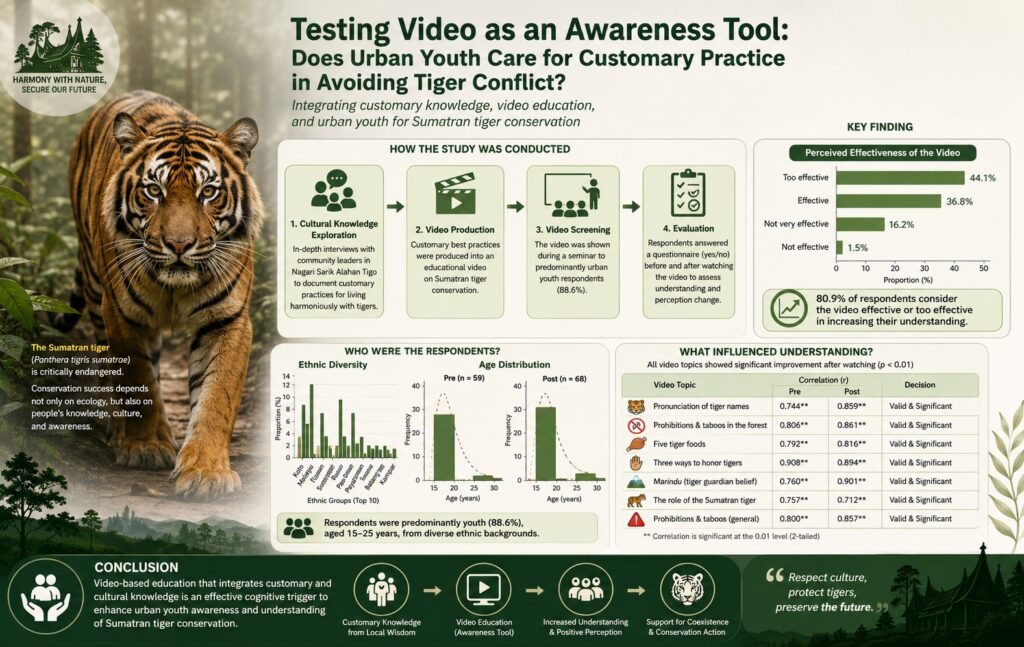
Abstract: The Sumatran tiger (Panthera tigris sondaica) is an endemic species of Indonesia currently classified as Critically Endangered, with fewer than 600 individuals remaining in the wild. Beyond its ecological...
Abstract: Conflicts between wildlife and humans, particularly among residents living within and adjacent protected areas, represent a pervasive global conservation challenge. Effectively addressing these conflicts has become a critical issue...
Abstract: Chemical cues play an important role in mammalian communication, often reflecting an individual’s physiological state. Non-invasive sampling of such informative cues holds great potential for wildlife monitoring. Endangered apex...